Before You Take A Personal Loan
- A personal loan has no security behind it, so it costs more
- Borrow only for a real need, and only what you can repay quickly
- Compare lenders; do not take many loans at once
- Shorter terms cost less; read the fees before you sign
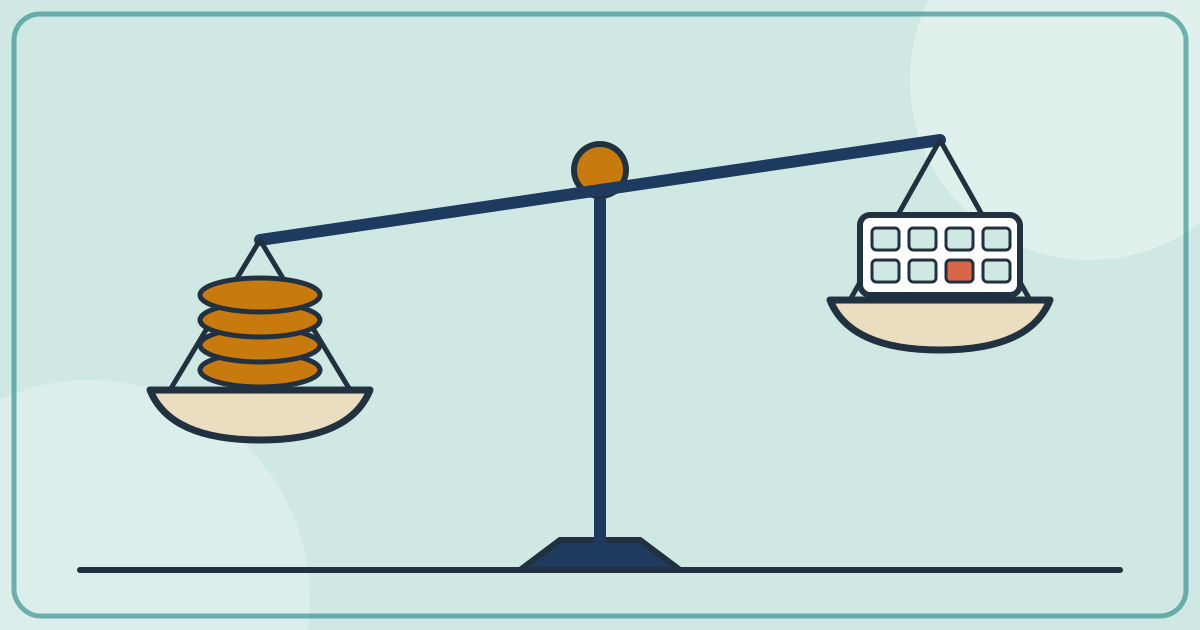
A personal loan is money a lender gives you on the strength of your credit history and your ability to repay it from your income. There is no security or collateral behind it, which is one reason it is so easy to obtain and so expensive to clear. Five points are worth settling before you commit.
Amount
Do not borrow unless there is an emergency or a worthwhile purpose. Work out the sum you actually need, and keep it well within your ability to repay quickly and without strain. Besides your capacity to repay, the lender will look at factors such as your income and your occupation.
Research
Many banks offer personal loans, and their rates differ. Do your homework, compare, and find the lender that offers the best rate before you apply.
Avoid too many loans
Taking several personal loans suggests that you are hungry for credit. Lenders report your financial activity to the credit bureaus, so keeping the number of loans low protects your score.
Term
Terms usually run from one to four years, depending on the lender and on your occupation. Try to keep yours short, ideally one or two years. The term and the interest are linked: the longer you take to repay, the higher the interest will be.
Penalties
There may be charges for late payment, for paying the loan off early, and for processing. Different lenders charge differently, so learn about these costs before you settle on one.