The Fight Against Antibiotic Resistance
- Bacteria adapt quickly, so many antibiotics now fail
- The problem is serious enough to be treated as a global crisis
- Researchers are hunting for ways to switch resistance off
- Use antibiotics only as a doctor prescribes
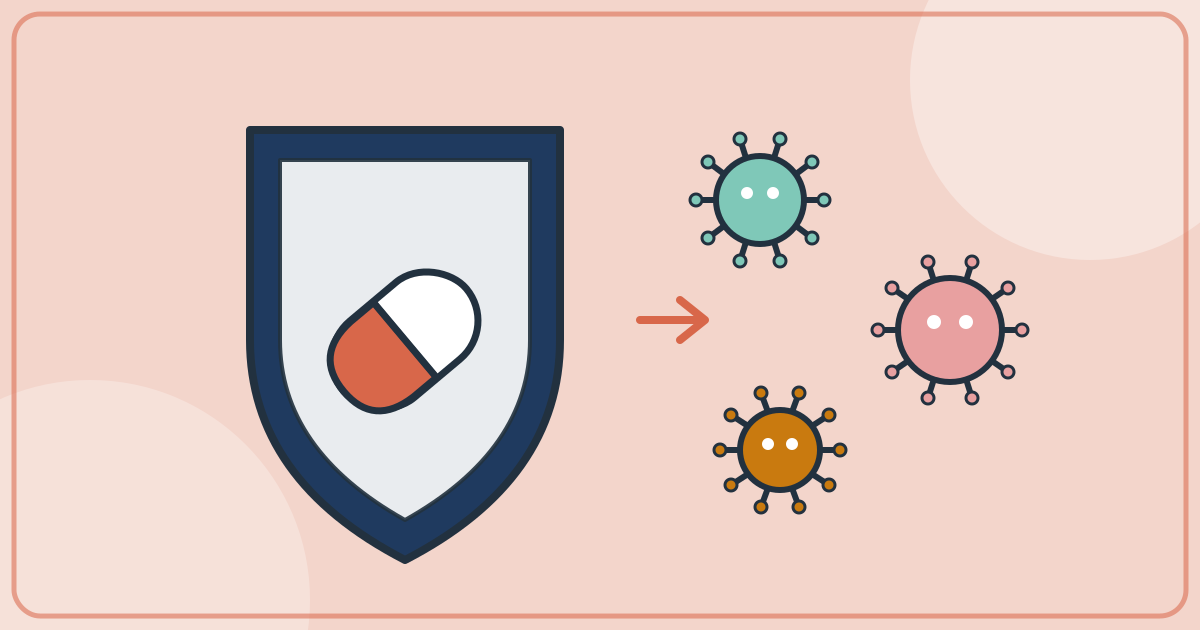
When penicillin was discovered in 1928, it became one of the first antibiotics to defeat infectious disease. Ever since, antibiotics have been essential for preventing deaths that could have been avoided.
The troubling turn
All through the history of life, organisms have changed and adapted. Single celled bacteria do it faster than most, so fast that a majority are now resistant to a wide range of antibiotics. The United Nations rates the problem as a crisis, in the same class as the HIV epidemic.
What scientists tried
Researchers have taken up the challenge. One group at a university in the United States reported a possible weapon against resistant bacteria, published in the Journal of Antimicrobial Chemotherapy. Their answer lay in a specially built molecule, a peptide conjugated phosphorodiamidate morpholino oligomer, or PPMO for short. They believe it can block an enzyme that some bacteria make, one that carries the code for resistance along with several other genes.
The test
In the study the team paired the molecule with meropenem, an ultra broad spectrum antibiotic of the carbapenem family. Together they worked in mice infected with E. coli that carried the resistance enzyme. Testing on people was expected to begin in about three years, so treat the report as an early step and not a finished cure.
What you can do
Resistance grows every time an antibiotic is used where it was not needed. Take one only when a doctor prescribes it, and finish the course as directed.