When You Are Being Projected Upon
- Blaming others for traits we will not own ourselves is called proje…
- People projecting insecurity often accuse others of what they fear…
- Mindfulness and a mental shield can soften an unfair projection
- Staying calm and naming unfair behaviour beats reacting in the mome…
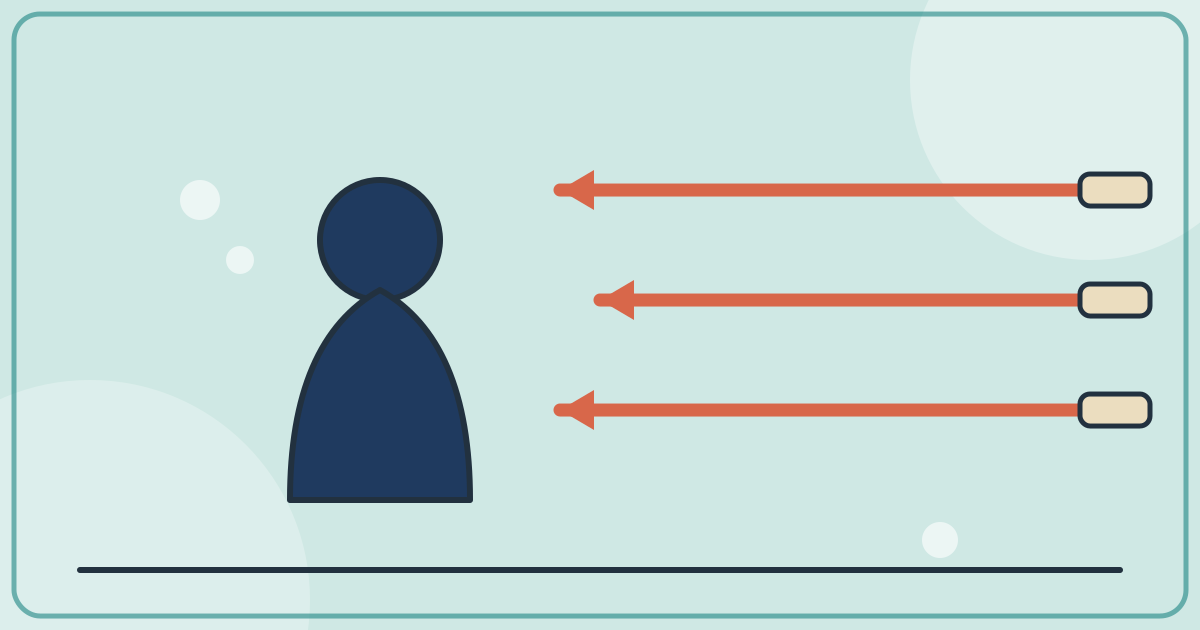
Everyone carries a few issues, along with qualities and traits they are not proud of. Most of us know we are not perfect, and it is entirely natural to have thoughts, motivations or feelings that are less than flattering. The trouble starts when a person refuses to acknowledge these in themselves, and instead assigns them to someone else, labelling other people as angry, jealous or insecure. In psychological terms, this pattern of blaming and fault finding is called projection.
Recognising it from the receiving end
Being on the receiving end of a projection can be confusing and even maddening, especially when you know perfectly well that you are not the cause of the other person’s distress. Even people who are fairly self aware can find that certain sensitive subjects bring out unexpected projections. Someone anxious about their own finances might see a friend as extravagant. Someone determined to get in shape might find themselves preaching the benefits of exercise to anyone who will listen.
Ways to deflect it
It is not always possible to avoid people who tend to project their issues onto others, but mindfulness and a few quiet minutes of reflection can help deflect some of it. One useful mental habit is to picture wrapping yourself in a protective layer each day. At other times, it helps to consciously put up that shield the moment a projection comes your way, reminding yourself that the other person’s issue belongs to them, not to you.
Responding without taking it personally
It is genuinely difficult not to react when you are on the receiving end of a projection, but it helps to stay calm and to let the other person know, gently, if they are being unreasonable or disrespectful. Nobody enjoys being unfairly blamed. In the same way, it is worth staying alert to whether we ourselves are taking out frustrations on people who do not deserve it. The more we take ownership of our own thoughts, desires and feelings, the less likely we are to project our own issues or the qualities we refuse to own onto somebody else.