Why Big Changes Work Better In Small Pieces
- Ease into change by starting small
- Sudden overhauls invite relapse
- Goals point the way; they need not be the destination
- Work on one thing at a time
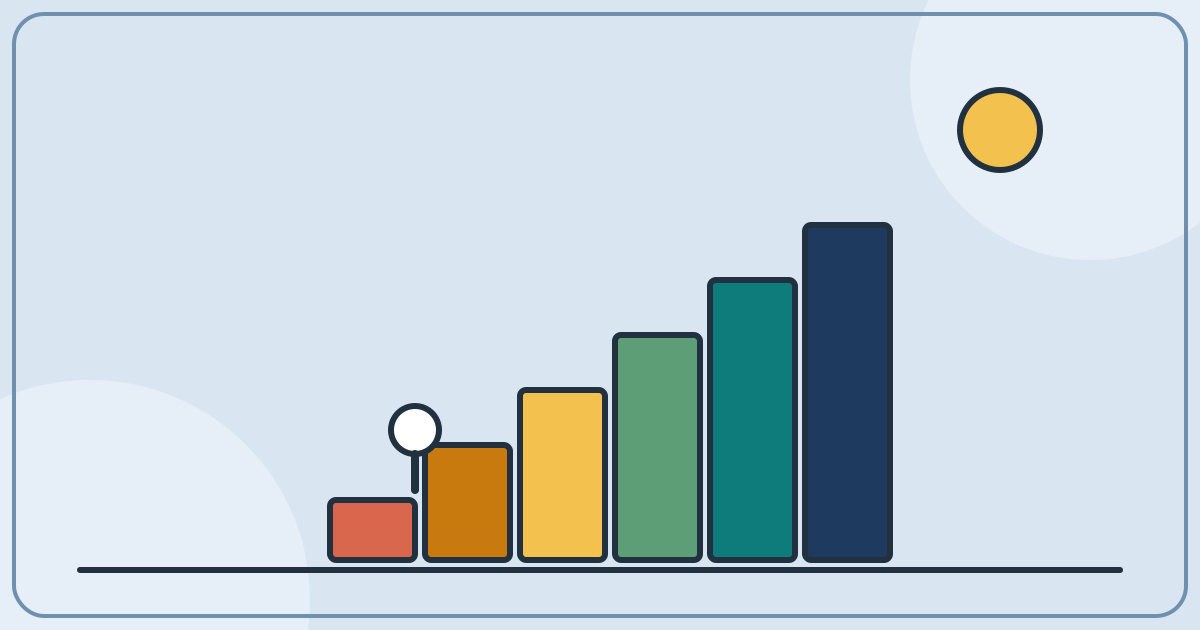
On the first of January, a software engineer announced a brand new life. Wake at five. Gym every morning. No sugar at all. Thirty minutes of a new language each night. A journal before bed. For eight days, it went beautifully. On the ninth, a late night at work broke the five o’clock alarm, and by the end of the month every single resolution had quietly fallen away, along with a fair amount of self-respect.
What is really going on
When we decide life needs a big change, the instinct is to change everything at once. But sudden overhauls are fragile. One slip feels like total failure, and failure pulls us straight back to old habits. Small changes, by contrast, have time to settle in and become a permanent part of who we are.
Wisdom in action
In February, the engineer tried again, differently.
Restart slowly. Having crashed once was no reason to give up. It was simply a reason to go gently this time.
Treat the goal as a compass. The ambitious plan had shown what needed to shift, which was useful. But some parts, once tried, did not suit at all. Waking at five left the engineer drained, not energised.
Look around while moving. Going slowly left room to explore other options and ask what lay beneath the wish. It turned out the real desire was to feel less tired and more in control, and an earlier bedtime did more for that than any dawn alarm.
Find your footing. Each small step allowed time to adjust before the next one.
Pick one thing. Life does not always warn us before change arrives, and a long list can freeze us. Choosing one manageable focus at a time makes progress possible. Months later, the engineer looked back and was surprised by how far those single steps had added up.
Forcing change usually means we do not trust the process. Listening to our own inner sense, and moving at the pace that suits us, keeps change in step with the natural rhythm of life.
Try this today
Look at your list of changes. Circle just one. Give it the next three weeks before you add anything else.