Tag: Adults

Work & Career

Bad Attitude Or Bad Behaviour?

Bad Attitude Or Bad Behaviour?

An attitude is a matter of opinion. A behaviour can be seen and recorded. Good managers know the difference and act on the second.

Bad Attitude Or Bad Behaviour?

A capable manager needs to tell the difference between a bad attitude and bad behaviour. The distinction matters more than it first appears.

Attitude is in the eye of the beholder

Attitudes are subjective. Conduct that one person reads as a poor attitude may strike another as perfectly fine. To make matters harder, an attitude is almost impossible to write down in a way anyone can check, and keeping a written record of specific incidents is the key to correcting them.

Look for the behaviour behind the attitude

Instead of trying to record an attitude, work out how that attitude shows up in behaviour you can describe and note down. Suppose an employee seems insubordinate. That impression on its own is hard to act on. Concrete examples, such as refusing work that has been assigned, are what you need to record. Behaviour can be pointed to, dated and discussed. A general sense that someone is difficult cannot.

Bring in a second pair of eyes

If you are the manager directly involved in the incidents you have recorded, share your notes with other managers or with human resources. People who are not caught up in the situation can look at it fairly and help you judge whether any action is really called for. That check protects the employee from unfair treatment and protects you from acting on irritation instead of evidence.

Work & Career

The Art Of Negotiation

The Art Of Negotiation

Negotiating well is a skill anyone can learn. It helps others get what they want while you reach your own goals.

The Art Of Negotiation

Imagine a world where everyone thought exactly as you do and fell in line with every wish and feeling you had. Life does not work that way, which is why it pays to become skilled at negotiation. The good news is that it can be learned. Done well, it lets you help others get what they want while you still reach your own goals.

In most negotiations neither side starts with an advantage. Keep these points in mind and you will be well on your way to a good result.

Listen properly

It sounds simple, which is why it is surprising how many people get it wrong. Hearing the words is not enough. Good negotiators put themselves in the other person’s position and work out what that person really wants, so the two of them can meet in the middle. Listening closes the gap and makes the other side feel respected.

Say you are asking your boss for a raise. Ask specifically what you could do differently to make their working life easier. If you then show you can deliver, you will be in a far stronger position to ask for more pay.

Make sure both sides leave happy

What is the point of a negotiation that benefits only one party? Both sides are at the table because both want to win. Reach an outcome where everyone gains and you will do better in future too, because people will be readier to deal with someone they know is fair.

Picture a child who wants chocolate after school before finishing homework. You want the homework done, and the child wants chocolate. Agree that the chocolate comes once the homework is finished, and both of you win. The child still gets the treat, and you get the homework done without raising your voice.

Look for common ground

Focus on what you and the other person share, not on where you differ. Negotiation can involve disagreement without being stressful. Suppose you want a lower price for an old board game at a garage sale. A good approach is to chat with the seller and ask which game is their favourite. Once you have built a connection over a shared love of board games, a discount becomes much more likely.

Part as friends

Sometimes no agreement is possible. When that happens, agree to part on good terms. Whatever the circumstances, never burn your bridges.

Relationships

How To Spot A Sweetheart Scam

How To Spot A Sweetheart Scam

Romance fraud is an old trick, but the internet and dating sites have made it far easier. Here is how to protect your heart and your savings.

How To Spot A Sweetheart Scam

The sweetheart scam is nothing new. What has changed is how easy the internet and dating sites have made it. Scammers browse online profiles and pour on the charm until their target believes this is love at first sight. Before long the victim is handing over money and valuables, and then the scammer disappears to find the next person.

Be careful straight after a break-up

Think twice about starting something new soon after a relationship has ended. These scams target people who are divorced, widowed or newly single. Scammers are very good at reading someone’s emotional state and playing on it. So watch out for anyone who appears in your life soon after any kind of break-up, and if money comes into the conversation, walk away.

Find out who they really are

Never accept anyone at face value. The internet hands scammers a powerful toolkit. They can borrow photographs of whoever they want to look like, build fake websites, lift other people’s personal videos and invent hundreds of fake friends. Even when everything seems wonderful, dig a little. A background check costs little and can tell you a great deal. If you uncover a poor credit record and a trail of bad debts and shady deals, ask about them. Run a reverse image search on their photographs. Is this person really who they claim to be? Do they look almost too good to be true? Check their phone numbers and look at professional networking sites to see whether their story holds up. Caution never hurts. If something seems too good to be true, it usually is.

Talking on the phone is not enough

There is nothing wrong with a long-distance relationship, and they work out for thousands of people every year. But scammers like to stay on the phone and on email. They avoid showing their real face and avoid meeting in person, and they use fake photographs, fake social media profiles and sometimes even fake voices. Seeing someone on a video call will not protect you completely, but it is a step in the right direction.

Listen to the people who love you

There is an old saying that fits these scams well: you cannot see the forest for the trees. Early in a relationship the heart overrules the head, and you can be so swept up in the other person that you miss what is obvious to everyone else, which is that you are being taken for a ride. So pay attention to family and friends. In the beginning they may only drop gentle hints. Once you start handing over money, they will usually sound the alarm and urge you to end it. Do not brush them aside. They may be wrong, but if enough of them are worried, you should be too.

Give no money or valuables to anyone

The requests always start small. A little money to cover a phone bill until payday, with a promise to repay it. As trust grows, so do the requests, and before you realise it you are sending large sums to someone you truly believe loves you. What they love is your money, and once it is gone, so are they. Do not lend money to anyone until you share a long and proven relationship.

Mind & Habits

Be The Most Proactive Person You Know

Be The Most Proactive Person You Know

When the unexpected happens, you can blame the circumstances or act. Being proactive means relying on your own choices rather than on luck.

Be The Most Proactive Person You Know

When something unexpected happens, there are two ways to respond. You can blame the circumstances, or you can think and act proactively. The proactive route means leaning on your own choices instead of hoping luck will rescue you.

Being proactive means thinking ahead and acting before events overtake you. It starts with taking action, owning your responsibilities and staying in charge of how you respond. Here are some ways to build the habit.

Keep your eyes on the solution

A problem becomes almost impossible to solve if it easily knocks you down and leaves you dwelling on every bad thing it might lead to. Stop blaming yourself and stop blaming others. Look instead for the ways it can be fixed. Fretting over what you cannot control only drags you further down. Deal with what you can, and deal with it well.

Remember it is all on you

Nobody else will carry you to where you want to be. Family and friends are there to support you, and that is their role. They cannot succeed on your behalf. That part is yours alone. Own your problems, and accept that nobody else will fix them for you.

Get ahead of the small, less urgent jobs

Handle routine day to day tasks as they come instead of putting them off. You will carry less stress, and those small jobs will not grow into big problems. A little effort early can spare you a much larger crisis later. Give special attention to preventive upkeep, such as checking your car’s oil and coolant, restocking the kitchen or putting a little money into savings every week.

Set goals you can actually reach

There is nothing wrong with dreaming, but a dream you take no steps towards is just a wish. Life is short, and dreaming without doing wastes it. Want something? Go after it. Break the dream into smaller goals that lead to it, like the pieces of a puzzle, and keep each piece small and achievable. Realistic goals build confidence and keep you motivated.

Join in

Proactive people do not sit on the sidelines or simply listen to what others suggest. They take part. Offer your ideas in meetings at work, or come up with your own plans for what the family does together.

Life Lessons

Steps To Living With Intention

Steps To Living With Intention

An intentional life rests on a firm foundation with practical steps built on top. Here is how to stop drifting and start choosing.

Steps To Living With Intention

Living with intention can make life feel far more fulfilling and meaningful. It works best when you lay a proper foundation first: understand the world around you, weigh your options using what you know, then act on your decisions and keep walking the path you chose. These steps help you get there.

Notice that life is a series of choices

Each morning arrives full of decisions and openings. You get to choose your attitude and your actions. Whatever happened in your past does not have to set the pattern for your future. Every new day is a fresh chance.

Start the day with gratitude

It sounds ordinary, but it shapes the whole day. However hectic things look, there is always something to be thankful for, and beginning from that place changes how the hours that follow feel.

Look at the culture around you

Nobody lives in isolation. We are surrounded by a culture that is heading somewhere, and it pulls us along like a fast current. Living intentionally means stepping back to study that current: where it is going, how it is affecting you, and whether it is carrying you in a direction you actually want.

Picture your ideal day

Suppose you could design a perfect day, from the moment you wake to the moment you sleep. What would it hold? You are allowed to dream big. Begin by asking what you want, not what other people want for you.

Build small daily habits

To turn that ideal day into a real one, add small actions that reflect your values. It might be ten minutes of meditation first thing, or a few minutes writing down your goals. Steady, repeated action is what gets results.

Make room for learning

Be deliberate about improving your skills, because we are either growing or standing still. This is not about filling your head with trivia you do not care about. Commit to learning something new in your own profession or in a subject you love.

Choose to live your own life

Stop measuring yourself against others. You were not born to live their lives, and envying theirs wastes your own. Decide today to live yours well. You only get one go at it.

Know your priorities

As you shift towards living with intention, fear and self-doubt will show up. That is normal, and it suggests you are on the right track. Treat the resistance as a sign to keep going. Make sure your actions match your values and goals, and ask what you can do today to move closer to the day you designed.

Stay focused

We live surrounded by constant connection and distraction, all of it competing for our attention. Learn to switch it off and live instead. Turn off the television, skip the gossip pages, and clear out physical things that drain time and energy you could spend more wisely. Then put all your energy behind your aim.

Work & Career

Are You Ready For A Promotion?

Are You Ready For A Promotion?

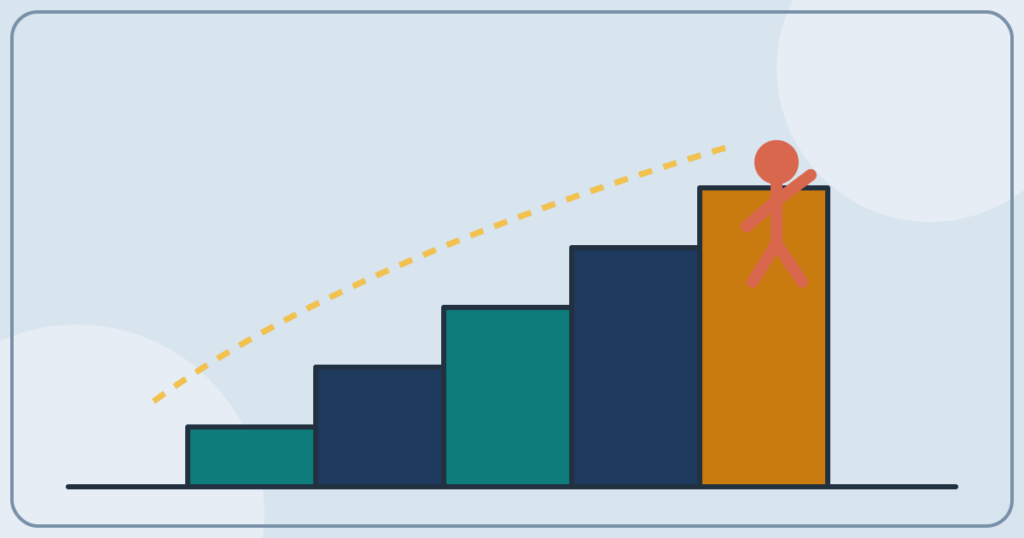
Getting ahead depends on how your bosses, peers and colleagues see you. Before you try to win them over, check honestly whether you are ready to move up.

Are You Ready For A Promotion?

Much of moving up at work comes down to perception. Your superiors, your peers and everyone else you deal with during the day form a picture of you, and that picture weighs heavily when promotions are decided. Yet before you set out to persuade anyone of how capable you are, it pays to turn the lens on yourself. Take stock of your skills and judge, as honestly as you can, whether you are truly ready for the next rung. Four questions make a good starting point.

What is the next step on my path?

You will not reach a place you have never named. Be clear about your next career goal, and go as far as deciding which job title fits the role you want to grow into. A vague wish to “do better” gives you nothing to plan around. A named role does.

What qualifications does it need?

Look up openings for that role on a well known job search site and read what employers ask for. What level of education do they usually expect? Would you need to return to study for a further degree, or would a few continuing education courses be enough? Are there certifications listed that you do not yet hold? Whatever the gap turns out to be, start closing it by getting the training the role demands.

Do I have enough experience?

Some positions expect two or three years in one role before you can step up to the next. That waiting period is not wasted time. Use it to improve the way people in the organisation see you, so that when the moment arrives you are already the obvious person for the job.

Am I already working at the next level?

Ask your boss for projects that will stretch you and help you grow. Then show that you can carry more responsibility by stepping forward and taking the initiative before anyone asks you to. People are promoted most readily when they are seen to be doing the bigger job already.

Life Lessons

When You Hurt Others, You Hurt Yourself

When You Hurt Others, You Hurt Yourself

A wizard tried to end all fighting by destroying every weapon. It took a child to find the solution that actually worked.

When You Hurt Others, You Hurt Yourself

Once upon a time, the most peace-loving people on Earth went to a mighty wizard and begged him to put an end to every war and every act of bloodshed on the planet.

“That is easy,” he said. “I will wipe out every weapon in the world, and then no one will be able to fight.” The people were delighted. With one sweep of his magic wand, it was done.

For three days the planet was peaceful. Those who liked to fight searched everywhere for weapons and found none. Once they realised the weapons were gone for good, they sharpened young trees into spears and the fighting began again.

When the wizard heard, he told the people not to worry. He would remove all the young trees so nobody could make spears. After a few days of fruitless searching, the fighters turned to the great trees instead, cut them down, fashioned clubs from them, and the violence returned. So the wizard got rid of all the big trees. Then people forged knives and swords from metal, so he got rid of every metal on the planet. Then they made slings and hurled stones at each other, so the stones had to go as well.

Now the peacekeepers grew anxious. The trees were gone, and so were the metals and the stones. How would anyone live? What would they eat? Soon nothing would grow, and people would perish without a single battle. This was clearly the wrong answer.

The wizard was at a loss. “I do not know what else to do,” he admitted. “The only remaining step would be to destroy humanity itself, and even that is beyond my power.” The peacekeepers sank into despair.

Then a bright child stepped forward. “I know what you should do,” the child said. “Let every person feel what their actions do to others. Whoever hurts someone should feel that same pain, and whoever brings someone happiness should feel that same happiness. Then nobody will hurt anyone, because they will feel the pain at once and will have to stop.”

Everyone was moved by the child’s wisdom, and the wizard did exactly as suggested. He brought back the trees, the stones and the metals. From that day on, no one tried to harm a neighbour, because they would share the hurt. Instead, people began helping each other, because they enjoyed the joy it brought them, and they lived together in harmony.

The lesson

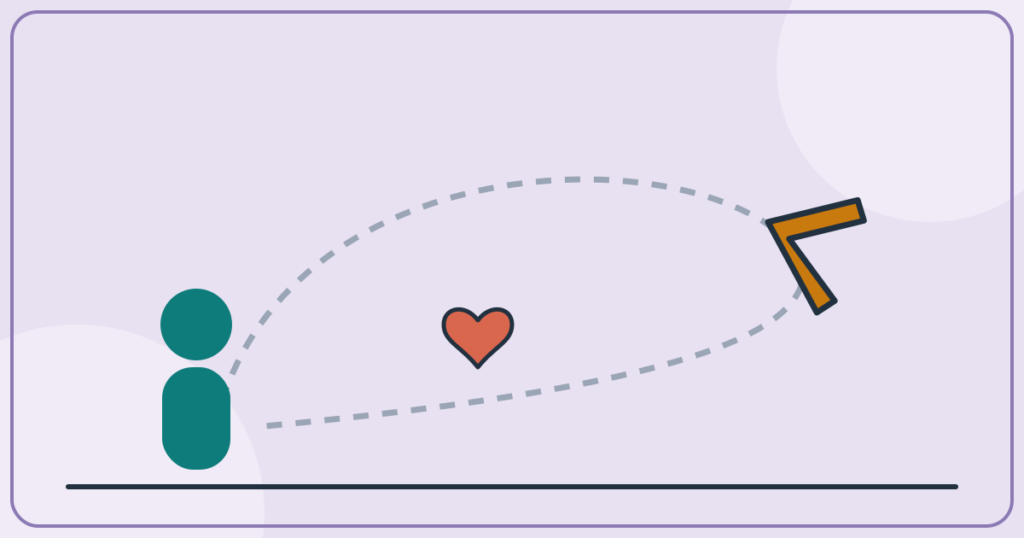
No wizard will ever arrange this for us. But the child was pointing at something already true in a quieter way: the pain we cause others tends to find its way back to us, and the happiness we give comes back too. Living as if we could feel both is the surest path to peace.

Health & Body

Playful Ways To Ease Stress

Playful Ways To Ease Stress

Relaxed people tend to be more creative. You cannot banish stress forever, but these light-hearted habits can bring it down a notch.

Playful Ways To Ease Stress

Most of us know that relaxed people find it easier to be creative than people who are wound up. Can you wave stress away for good? Probably not. But being stressed is the last thing anyone wants, given all the harm it does, so the next time you feel the pressure building, try one of these enjoyable ways to beat it, or at least bring it down.

Head outdoors

When tension rises, take a stroll through a park or along a beach, or cycle through some woods. Even just gazing at a lovely picture of nature can work. Your spirits will start to rise, and you may find a calm you did not have before.

Laugh, even on purpose

Laughter eases stress in the moment and over time too, because it lowers stress hormones and brightens the way you see things. Even looking forward to a laugh helps you unwind. Watch a funny clip or go to a comedy show. You can even make yourself laugh deliberately. It feels odd to begin with, but before long the laughter turns real.

Spend time with an animal

Pets are good for us in many ways. Stroking an animal for only a few minutes can lower stress, and the unconditional affection pets offer is a tonic in itself. Take a dog for a walk if you can, since dogs have been bred to respond to human feelings and walking itself helps you relax. No animal nearby? Even a video of a sweet animal can help.

Share some jokes

Get together with friends who make you laugh. Laughter loosens tight nerves and lets the moment pass. You will still have to deal with the problem eventually, but some humour can relieve the pressure now so that you handle it more sensibly later.

Let your inner child out

Children seem less stressed than adults. Partly that is because they carry fewer responsibilities, but it is also because they play. Giving yourself playtime as a grown-up is easy. Play tag, fly a kite, build with toy bricks or try finger painting. Keep a box of fun toys from your childhood and see how much tension it melts away.

Disappear into a book

One of the kindest things you can do for yourself under stress is to slip into a world where your worries do not exist. A good book, perhaps a fantasy novel, can carry you off to somewhere else entirely.

Play a favourite song

Listening to music releases dopamine in the brain. Choose a song from a calmer time in your life and let it lift you.

Look through old photographs

Few things are as comforting as revisiting happy memories. Childhood is often the sweetest season of our lives, so browse pictures from your early years or from the moments that shaped who you are. You will probably laugh a little, and a few happy tears may follow.

Mind & Habits

Three Mistakes That Drain Motivation

Three Mistakes That Drain Motivation

Staying motivated is hard when life keeps throwing things at you. It gets easier once you know the three most common traps.

Three Mistakes That Drain Motivation

Life keeps tossing new demands our way, and holding on to our drive through all of it is not easy. It does become easier, though, once you can recognise the mistakes that people most often make. Here are three of them.

Waiting to feel like it

It is rarely wise to lean on motivation alone to get things done, because it comes and goes without warning. If you only act when the mood strikes, you can spend years waiting for a spark that never arrives. Starting anyway, even without the feeling, is usually what brings the feeling along.

Planning instead of doing

You may have come across the phrase “analysis paralysis”. It describes what happens when someone gets so caught up in planning a goal that they never start working on it. The sad truth is that endless analysis smothers motivation and keeps people from ever reaching the goals they spent so long preparing for.

Aiming at the impossible

One of the most important parts of keeping yourself motivated is setting goals you can realistically reach, and many people skip this step. A goal that is clear and simply stated shows you a more direct route to success, and it helps your motivation last over the long haul rather than burning out early.

Relationships

The Friend Who Defends You

The Friend Who Defends You

A friend who stands up for you when you are not in the room is a rare gift. Here is what such a friend deserves your thanks for.

The Friend Who Defends You

Some people are fortunate enough to have a friend who speaks up for them when they are not there to speak for themselves. Such a friend often understands you better than you understand yourself. If you have one, here are some of the things worth thanking them for.

Their loyalty

Thank them for making it plain to everyone that your friendship is genuine and not a performance for social media. Thank them for never letting strangers, or people who hardly know you, come between the two of you, or even get the chance to try.

Being your voice

Thank them for saying the things you would have said, and for saying them better than you would have. Thank them for speaking out when keeping quiet would have been easier. Thank them for not letting the fact that you were absent change the way they think of you.

Their care

Thank them for being gentle with you when others are harsh. Thank them for promising that they will stand by you no matter who tries to pull you down. Thank them for showing the world that they will never betray you behind your back, and that they will not let anyone treat you with disrespect. Thank them, too, for seeing the good in you on the days when you cannot see it yourself.

Simply being there

Finally, thank them for choosing to remain in your life, and for never being casual or indifferent when it comes to you or to the friendship you share. A friend like that is worth holding on to, and worth becoming in return.