Tag: Parents

Life Lessons

The Scorpion And The Old Man
The Scorpion And The Old Man

An old man keeps trying to rescue a drowning scorpion, even as it stings him. His reply to a mocking passer-by is a lesson in staying true to yourself.
The Scorpion And The Old Man

One morning, an old man finished his quiet sitting by the river and opened his eyes. Just then he noticed a scorpion struggling helplessly in the water.

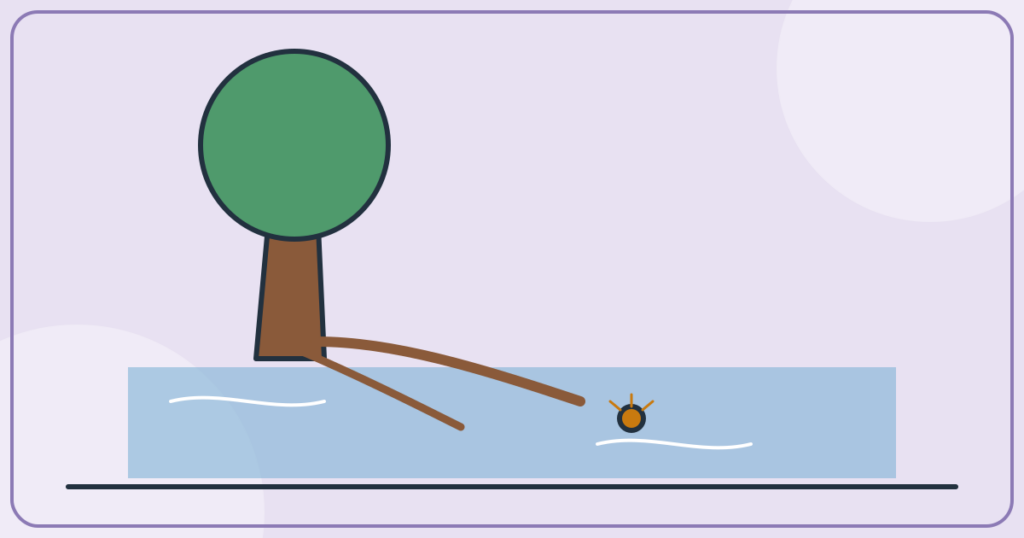
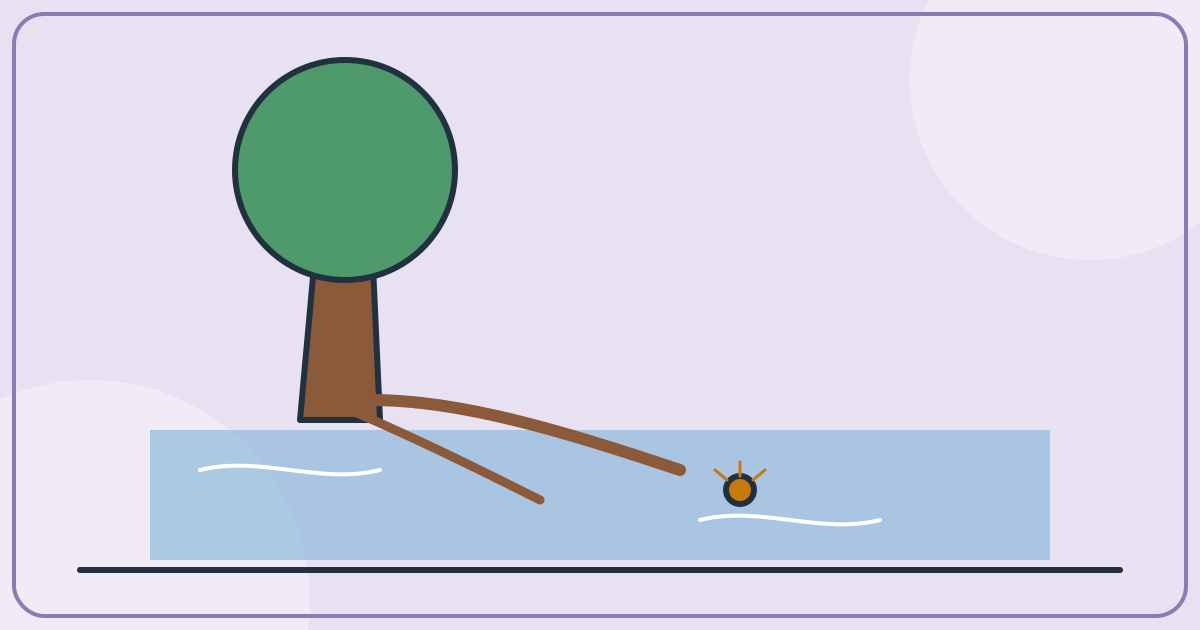
As the current carried the scorpion closer to the tree beside him, the old man stretched himself out along one of the long roots that reached into the river. He leaned forward and tried to lift the drowning creature to safety.

The first sting

The moment his fingers touched it, the scorpion stung him. He pulled his hand back by reflex. But a minute later, once he had steadied himself, he lay down along the root once more and reached out again to save it.

This time the sting was so fierce that his hand swelled up and bled, and his face twisted with pain.

The passer-by

At that moment, a man walking by saw the old man stretched across the roots, wrestling with the scorpion. He shouted, “Have you lost your senses, old man? Only a fool would risk his life for such an ugly, nasty creature. Do you not realise you could die trying to save that ungrateful thing?”

The reply

The old man turned his head, looked the stranger in the eye, and replied calmly, “My friend, the scorpion stings because that is its nature. Its nature does not change mine, and mine is to save.”

What it means for us

We all meet people who hurt us, sometimes again and again. It is natural to want to strike back, or to become hard ourselves. The old man reminds us that how others behave does not have to decide who we are. That does not mean letting ourselves be harmed without limit; there is wisdom in protecting yourself too. But our kindness, our patience and our values belong to us. They are not a payment that others must earn.


Life Lessons

The Balloon Room

The Balloon Room

Fifty people race to find a balloon with their own name on it, and all of them fail. Then the speaker changes one rule, and everyone succeeds.

The Balloon Room

A group of fifty people were attending a seminar. Partway through, the speaker suddenly stopped and announced a group activity.

He handed each person a balloon and asked them to write their own name on it with a marker pen. Then all the balloons were collected and taken into another room.

Five minutes of chaos

The participants were let into that room and given a simple task: find the balloon with your own name on it, within five minutes. At once, everyone began searching frantically. People bumped into each other, pushed others aside and scrambled through the pile. The room descended into complete chaos.

When the five minutes were up, not a single person had found their own balloon.

One small change

The speaker then changed the instruction. This time, each person was to pick up any balloon at random, read the name on it and hand it to that person.

Within a couple of minutes, every single person was holding their own balloon.

The lesson

The speaker explained: “This is exactly what happens in our lives. Everyone is rushing about, searching desperately for happiness, without knowing where to find it. But our own happiness is tied up in the happiness of others. Help other people find theirs, and you will find yours.”

It is a simple idea, and easy to forget. The next time happiness feels hard to find, try handing someone else a balloon.

Relationships

You Do Not Have To Wait For An Apology

You Do Not Have To Wait For An Apology

Someone may owe you an apology that never comes. Waiting for it keeps you stuck. Take the lesson, keep the good friends, and move on.

You Do Not Have To Wait For An Apology

Real forgiveness is when you can look back and say, “Thank you for the experience.” Learning to forgive, and to let go, may be one of the most valuable lessons life ever teaches us.

The apology may never come

Perhaps the other person truly was in the wrong. Perhaps they really should apologise. But sitting and waiting for that apology will not help you one bit. In the end, the only person you are hurting is yourself, because you are holding on to something that is already over.

Keep the lesson

Every painful experience has something useful in it. When you learn from what happened, you also learn more about yourself and about what makes you happy. Maybe you found out that certain activities are no longer for you. Maybe you discovered who your real friends are. Now you know which situations to avoid, and which people deserve your time. You can spend it with those who truly care, and gently leave behind those who brought you down. Use what happened to understand yourself better.

Look forward, not back

What happened belongs to the past. You could wait forever for that apology, and spend all that time stuck in the same place. Do not let someone else’s mistake stand between you and a happy life.

Forgiveness does not require the other person to say sorry. It is something you do for yourself, so that you are free to move on.

Mind & Habits

What A Cup Of Tea Can Teach Us

What A Cup Of Tea Can Teach Us

Tea is loved the world over for comfort and hospitality. Brewing a good cup turns out to hold some quiet lessons about strength, patience and care.

What A Cup Of Tea Can Teach Us

Tea is treasured by cultures all over the world as a drink of comfort, welcome and even elegance. It was made to blend with water, much as each of us was made to work alongside other people, in teams and in society as a whole. So the next time you sit down with a cup, here are a few lessons to sip on.

Heat reveals strength

Drop a tea bag into lukewarm water and you will never discover how strong that tea really is. Its true strength only appears when it meets hot water. People are often the same. It is in the difficult moments that we find out what we are made of.

The making matters

Some say a cup of tea is never truly bad. It has simply been brewed differently from how you prefer it. Perhaps the water never quite boiled, or the leaves sat too long. Perhaps the milk ran short, or the sugar was overdone, or underdone. In life too, how satisfied we feel often depends on how we go about things.

Brew it just long enough

Each kind of tea has its own ideal brewing time. Steep it too briefly and it is weak and flat, missing all the flavour it could have had. Leave it too long and it turns bitter. We can bring the same sense of balance to daily life. All of us face problems, obstacles and big changes that ask for our time and energy. How much of ourselves we pour into each one makes all the difference.

Let it cool a little

Some of us are impatient for that first sip. But sip too soon and you burn your tongue, as many of us have learned. Tea is not the only thing that improves with a pause. We are often tempted to act on impulse, or to say something before we have thought it through. As with tea, it rarely hurts to wait a minute and let things cool before plunging into hot water.

Enjoy the ritual

A really fine cup is made slowly and with attention. No wonder so many cultures have special ceremonies around preparing it. There is real satisfaction in enjoying the process, instead of hurrying towards the end result.

A cup of comfort

Many of us link tea with rest and self-care: ginger tea for a cold, chamomile to help us sleep. Even if tea is not your drink, the habit of making a warm cup in times of stress or illness carries a useful lesson. It helps all of us to recognise when to ease off and offer small, gentle acts of care, to ourselves and to one another.

Relationships

Setting An Example For Young People

Setting An Example For Young People

Young cousins, nieces, nephews and neighbours watch how we live far more closely than we realise. Practical ways to set an example worth following.

Setting An Example For Young People

Role models shape young lives far more than most of us realise. Whatever you do for a living and however you live, you may be surprised at how much the young people around you are watching and learning from you.

The world has troubles enough. It hardly needs a generation that grows up feeling entitled. So do your part. If you help raise young people who are kind and generous, you are making a real difference to their lives, and to the world they will one day run.

From cousins, nieces and nephews to younger brothers and sisters and the children next door, you have plenty of chances to shape young minds. Setting a good example can be hard work, but it is deeply rewarding if you stay consistent. Here are some ways to start.

Drop the habits you would not want copied

Smoking, heavy drinking and casual talk about drugs or wild parties are best left behind. This is simple common sense. If you cannot give up such habits, it will be difficult to have a positive influence, so at the very least keep them well away from the young people you are trying to guide. And never make those habits look glamorous. Once children sense that you approve, many will try them at the first opportunity.

Get them moving

You do not need to drag a younger brother on a punishing trek, or push a niece to swim lengths until she is in tears. As long as you present sport as fun, children will happily join in. Start with simple games for two, like badminton, hopscotch, football or cricket. Encourage them to bring friends along and organise small tournaments. Whenever you get the chance, take a few of them hiking or cycling. Most importantly, do what you say. Join in, and never grumble about getting sweaty.

Five qualities of a good role model

  • Passion, and the ability to inspire others
  • A clear set of values
  • Commitment to the community
  • Selflessness and acceptance of others
  • The ability to overcome obstacles

Lessons worth passing on

  • Teach children that failure is a normal part of succeeding.
  • Encourage them to take part in activities they choose for themselves, so the reward comes from within rather than from praise or prizes.
  • Help them see the difference between good marks and inner strengths.
  • Talk with them about inspiring heroes from films and books. Such heroes show how life’s challenges can be overcome, and help build a growth mindset from an early age.
Mind & Habits

Twenty-Four Brand-New Hours

Twenty-Four Brand-New Hours

Every morning hands us twenty-four fresh hours. We are good at preparing to live, and not so good at living. Here is a gentle reminder.

Twenty-Four Brand-New Hours

Each morning, the moment we open our eyes, we are handed twenty-four completely new hours. What a gift that is. And we have it in us to spend those hours in a way that brings peace, joy and happiness, both to ourselves and to the people around us.

Peace is closer than we think

Peace is not somewhere far away. It is right here, right now, inside us and in everything we do and notice. The only real question is whether we are paying attention to it.

We do not need to travel to some distant place to enjoy a clear blue sky. We do not need to leave our city, or even our street, to delight in the bright eyes of a small child. Even the simple act of breathing can be a quiet source of joy.

Ordinary moments, lived fully

We can smile, breathe, walk and eat in a way that keeps us in touch with all the happiness already available to us. It does not take anything special. It only takes attention.

Good at preparing, not so good at living

Most of us are experts at getting ready to live. We will spend ten years earning a degree. We will work very hard for a job, a car, a home and much more. What we find difficult is remembering that we are alive right now, and that this present moment is the only one in which we can actually live.

The planning matters, of course. But it is easy to keep postponing life until everything is in place, and to miss the days that are slipping by in the meantime.

Wake up to today

Every breath we take and every step we make can carry a little peace, joy and calm. All we have to do is be awake to it, fully present in this moment. Tomorrow morning, when your twenty-four new hours arrive, try to notice them.

Relationships

Love That Does Not Pick And Choose

Love That Does Not Pick And Choose

A rose cannot keep its fragrance from some people, and a lamp cannot shine only for the good. Three simple images of what real love looks like.

Love That Does Not Pick And Choose

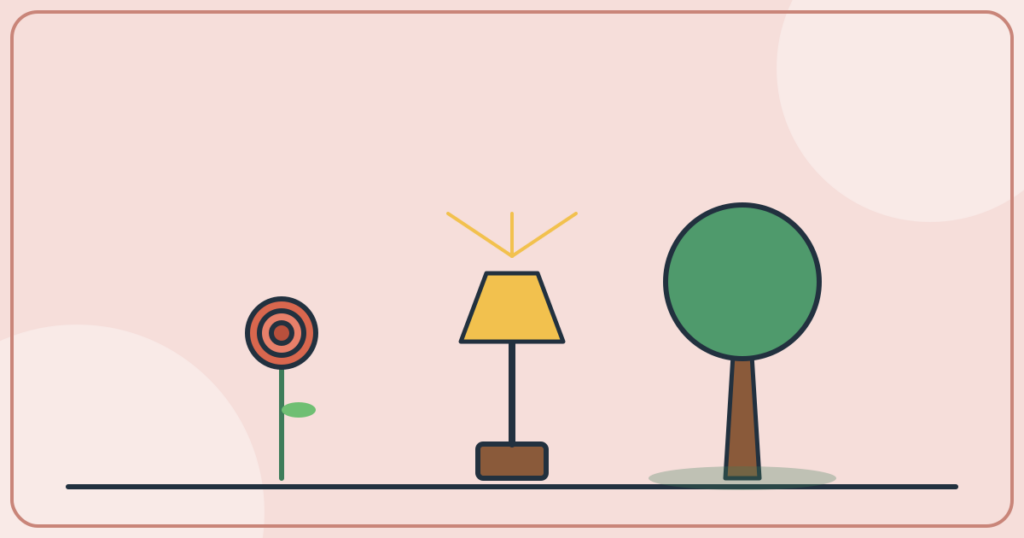
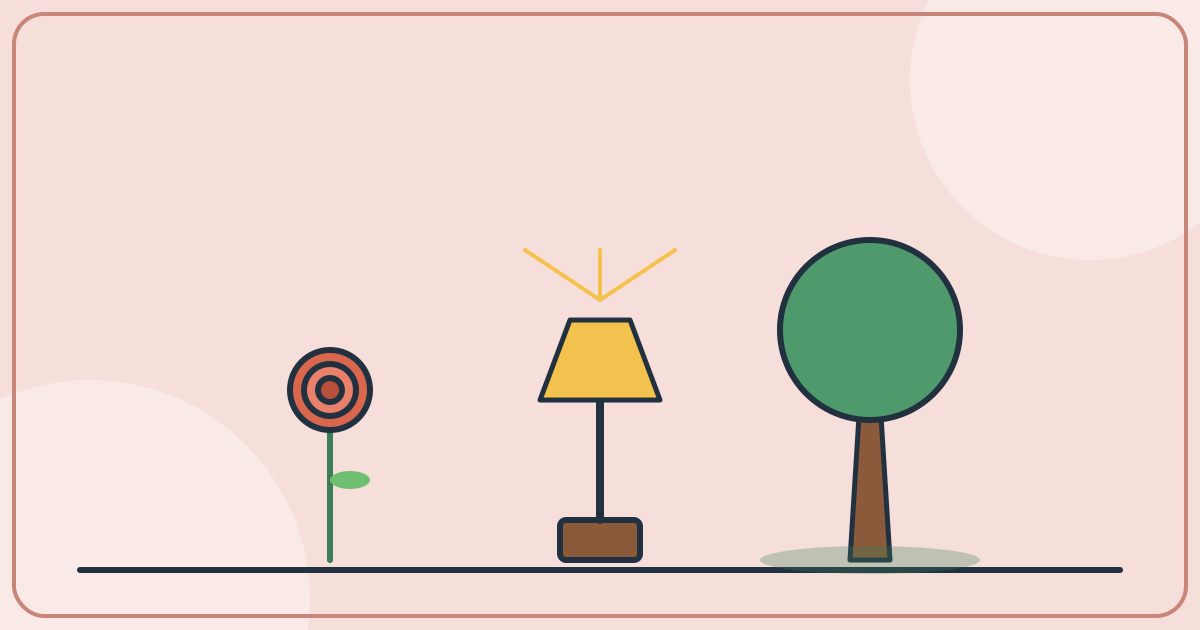
Can a rose decide, “I will share my fragrance with the good people who come to smell me, but I will keep it from the bad ones”?

Can a lamp decide to shine only on the kind people in a room, and leave the cruel ones in the dark?

Can a tree decide to cool only the honest travellers who rest beneath it, and deny its shade to the rest?

Giving is their nature

Of course not. A rose simply smells sweet. A lamp simply shines. A tree simply gives shade. They do not sort the world into deserving and undeserving before they give. Giving is what they are.

These are pictures of what love really looks like. Not a reward handed out to those who have earned it, but a quality that flows to whoever happens to be near.

A gentle challenge

Most of our kindness comes with conditions. We are warm to people who are warm to us, and we hold back from those who disappoint us. That is only human. But it is worth asking, now and then, whether our care could be a little more like the rose: offered freely, without first checking who deserves it.

We may never get there completely. Even so, each small step in that direction makes us lighter, and makes the world around us a little kinder.

Life Lessons

The Child And The Three Apples

The Child And The Three Apples

A rich man with no peace of mind is shown a child trying to hold too many apples. A simple story about why sharing brings joy and holding on brings worry.

The Child And The Three Apples

There was once a very wise man. One day someone asked him what the most important thing in his life was. After some thought he replied, “Everything matters, and nothing matters.”

Pressed for an answer, he finally said that money was the most important thing to him. Even as he said it, he was not sure he believed it, but he kept his doubts to himself. Before long, something happened that showed him he had been wrong.

A rich man without peace

A wealthy man came to him one day. “I have plenty of money,” he said, “but I have no peace of mind.” The wise man was not sure how to help, so he took the visitor to his own teacher, who could explain it far better.

The teacher listened, laughed gently and said he would show them rather than tell them.

The apples

Next to the teacher stood a bowl of apples, and a small child was playing nearby. The teacher called the child over and handed him an apple. The boy grabbed it with his right hand and began to munch. A second apple followed, and he clutched that one in his left. Now both hands were full.

Then the teacher offered a third apple. Still clutching the other two, the child tried to hold the new one between his palms, pressing it against his chest. He struggled to balance all three, but he could not. Every apple tumbled to the floor, and the child burst into tears.

The lesson

The teacher turned to the rich man. “We should not grab everything and keep it all for ourselves,” he said. “When we share what we have, it brings us extra joy and satisfaction, because we know we have helped someone. When we hold on to everything, all we gain is fear and worry about losing it.”

The message is a simple one. Learn to share. Let kindness, not money, be what keeps life moving, and you will find you enjoy it far more.

Mind & Habits

A Calm Mind Finds The Answer

A Calm Mind Finds The Answer

Worry makes us look busy with a problem while getting nowhere. The surest first step toward any answer is simply to settle the mind.

A Calm Mind Finds The Answer

When we run into a problem or a difficult situation, most of us meet it with worry and a stream of negative thoughts. From the outside, it may look as if we are dealing with it. Inside, we are not really coping at all, and more often than not we find ourselves getting nowhere.

Settle first, solve second

The best way to handle any hard situation is to begin by calming the mind. A mind that is racing and anxious goes round in circles. Only a calm mind can see clearly enough to find a way through.

Before you start making lists, phoning people or lying awake planning, give yourself a few quiet minutes. Breathe slowly. Step outside, or sit still. Let the first rush of panic pass.

The answer is often already there

It helps to remember that every problem has some kind of answer, even if we cannot see it yet. When the mind is relaxed, we can trust our own inner sense, our intuition, to bring that answer to the surface. Very often, it was there all along, waiting for the noise to die down.

So the next time trouble arrives, resist the urge to wrestle with it straight away. Calm yourself first. The solution has a far better chance of finding you.

Life Lessons

Ten Pieces Of Unusual Advice

Ten Pieces Of Unusual Advice

Fly kites, diversify your advisers and prepare to be lucky. A playful list of advice that turns out to be surprisingly wise.

Ten Pieces Of Unusual Advice

Not all good advice comes dressed in serious clothes. Some of the wisest tips sound almost playful at first. Here are ten worth keeping.

1. Fly kites as often as you can

While your kite is up in the air, it keeps your feet firmly on the ground. A little play is one of the best ways to stay grounded.

2. Go easy on the bad news

Headlines can sometimes read like the scariest horror stories. Stay informed, but do not let them fill your head with fear.

3. Avoid doing what you truly do not want to do

Whenever you can, steer clear of it. If you force yourself, resentment follows, the work suffers, others will be unhappy with the result, and you may carry the regret for a long time.

4. Freedom is available right now

You do not have to wait for some future day to feel free. You can choose it this very second.

5. Diversify everything

Spread your bets in every area of life, including the people you go to for advice.

6. Ignore the people who say “You cannot do that”

It is a cliché, but a true one. Those people are usually describing their own limits, not yours.

7. Life is short, but there is no rush

Nobody leaps from a plane without first strapping on a parachute. Take the time to prepare.

8. Prepare, and you will be lucky

Preparation is the secret to good luck, and plenty of it. People may never understand where your luck comes from, but they will be amazed by it.

9. Kindness is real power

Being kind to others is one of the most powerful forces you will ever have.

10. Treat each day as an adventure

Every day, you can squeeze a little art out of ordinary hours. Art brings delight, and delight grows a little more each day.