Tag: Seniors

Life Lessons

The Crow Who Envied The Peacock
The Crow Who Envied The Peacock

A contented crow sees a swan and suddenly feels plain. So begins a journey through envy that ends somewhere the crow never expected.
The Crow Who Envied The Peacock

A crow was perfectly content with its life. Then one day it saw a swan gliding across a lake. “The swan is so white, and I am so black,” it thought. “That swan must be the happiest bird in the world.” So the crow flew over and told the swan so.

“Actually,” said the swan, “I thought I was the happiest bird around, until I saw a parrot. It has two colours. Now I think the parrot is the happiest bird of all.”

The crow went to find the parrot. “I was very happy,” the parrot said, “until I saw a peacock. I have only two colours, but the peacock has so many.”

So the crow flew to the zoo, where a peacock stood surrounded by hundreds of admiring visitors. When the crowd had gone, the crow approached. “Dear peacock, you are so beautiful. Thousands of people come to see you every day. When people see me, they chase me away. You must be the happiest bird on earth.”

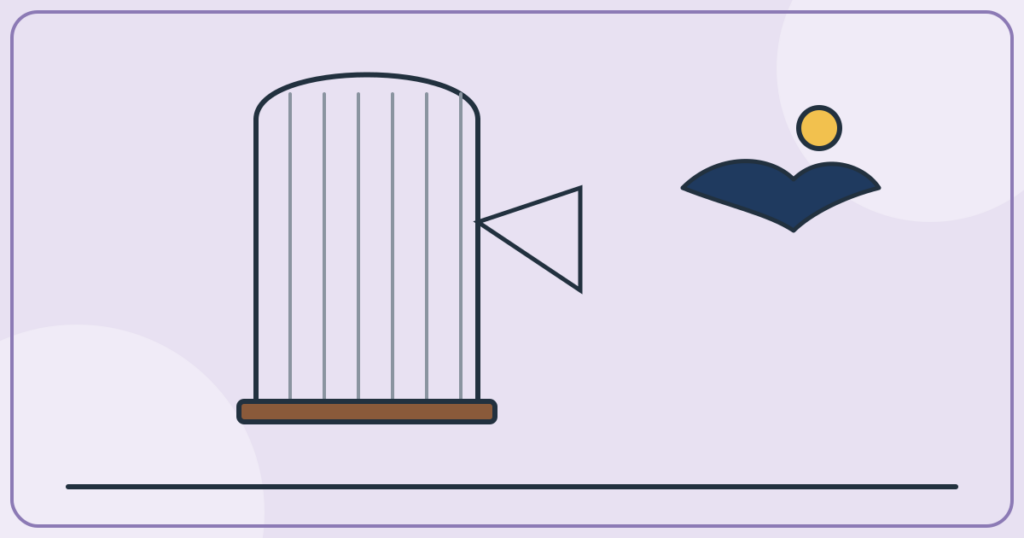
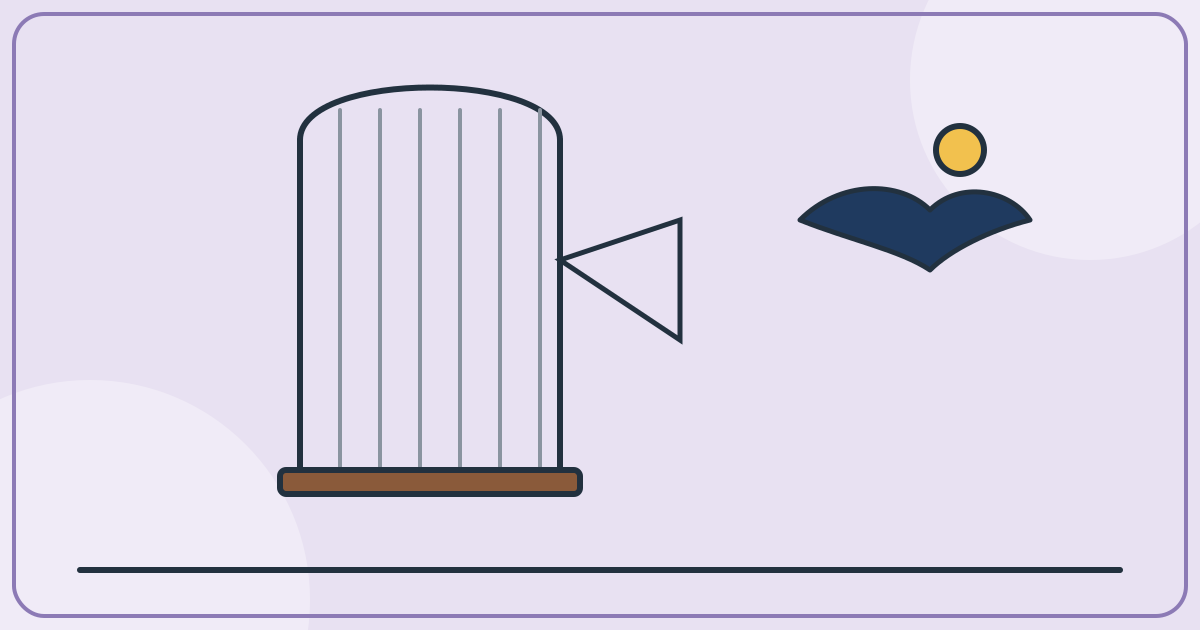
The peacock sighed. “I always believed I was the most beautiful and happiest bird alive. But because of my beauty, I am locked in this zoo. I have looked very carefully around this place, and the crow is the only bird here not kept in a cage. For days now I have been thinking: if only I were a crow, I could go wherever I please.”

What is really going on

That is our problem too. Each bird looked at the next and saw only what it lacked. None of them saw what it already had: the crow its freedom, the swan its grace, the parrot its voice. We do the same with colleagues, neighbours and friends online. Needless comparison makes us sad, and we stop valuing what we have. Then the cycle of unhappiness feeds itself.

Wisdom in action

Catch the comparison. When you feel a sudden dip in mood after seeing someone’s life, name it: “I am comparing.”

Look for the cage. Behind every envied gift is a cost you cannot see from outside. Long hours, pressure, lost privacy. You only see the colours.

Count your freedoms. List what your life allows that others might long for.

Try this today

The next time you scroll and feel smaller, close the app and write down three freedoms you have today. That is the secret the crow nearly missed.
Mind & Habits

How To Make A Change That Sticks

How To Make A Change That Sticks

Every January you begin again, and by March it has faded. Lasting change is not about willpower. It is about where you start.

How To Make A Change That Sticks

It is the third time this year you have bought new running shoes. The first week went well. The second week it rained. By the fourth week the shoes were back in the cupboard, and the old voice in your head was saying, “See, you never stick with anything.”

What is really going on

When we think about how hard change is, many of us give up before we begin. We have been taught to play safe and stay in line, rather than step out and shape the life we actually want. Yet life is short, and time once gone never comes back. Every moment deserves to be lived fully. Change that lasts is less about a burst of willpower and more about a few simple foundations.

Wisdom in action

Begin on the inside. Real change starts within. Most of us carry doubts and limiting beliefs that have to be faced before anything moves. Take time to look honestly at your starting point and your destination. Pay attention to that nervous inner voice that pipes up whenever you think of leaving your comfort zone, and answer it.

Tell yourself the truth. It is very easy to fool ourselves. Be honest about what has held you back before, and about what frightens you about what lies ahead. Change sticks when you become honest and stay that way. Setbacks will come, and honesty stops you from hiding from the very things that would help.

Look at the next step, not the mountain. Staring at the whole picture can be crushing. Focus on what comes next, and break the larger goal into small pieces you can work on every day.

Build habits, not sprints. Quick wins fade, while habits change how you live. Weave the new behaviour into your daily routine, and work on how you think about it, because your thinking drives what you do.

Find someone to keep you honest. Support can decide whether you succeed or fail. You may want to do it alone, but a person who tells you the truth and steadies you when you slip is invaluable: family, a friend or a group. Stay answerable to them, so excuses cannot win.

Try this today

Choose one change. Write the smallest version you can do daily for two weeks, and tell one person who will check on you each Sunday.

Mind & Habits

You May Be More Special Than You Think

You May Be More Special Than You Think

No title, no awards, no fame. Yet the people around you may rely on you more than you know. Here are the quiet signs of someone special.

You May Be More Special Than You Think

At a school reunion, old classmates talk about their startups, their promotions and their homes abroad. You run a small shop and look after your ageing mother. On the way home you feel ordinary, even a little invisible. Then your phone buzzes. A neighbour is thanking you for sitting with her last week when she was frightened and alone.

What is really going on

Most of us do not think very highly of ourselves. Sometimes the people around us have played down our worth until we believe it. But being special has little to do with titles, degrees or saving lives. It can look like volunteering, helping a friend, listening to someone lonely, raising a child on your own or working long hours to keep a roof over your family. Feeling special simply means feeling valued and seen, and one warm person can spread that to many others. It is largely about attitude.

Wisdom in action

Notice the quiet signs. You are curious and always feel there is more to learn. You enjoy making people happy with a small gift, a smile or a surprise. Kindness comes first, whether you are meeting a stranger or a colleague. You stay positive and try to lift others, assuming people are good at heart, even when that sometimes leaves you hurt.

You read people well. When someone says “I am fine”, you hear what lies underneath and give them room to talk. You listen far more than most, which is rare. You enjoy learning from other cultures. You treat people well, from parents to passing acquaintances. You set goals, act on them and dream big, without letting obstacles or doubters frighten you off.

Grow it further. Be yourself rather than a copy of anyone. Be wary of bad advice and other people’s verdicts. Stay polite and calm in conversation, never snapping or raising your voice. Keep steady through hard moments. Keep learning widely, but never show off.

Try this today

Write down three things you did this month that helped someone, however small. Read the list once tonight. That is evidence, not flattery.

Mind & Habits

Small Decisions, Done Well

Small Decisions, Done Well

Forty minutes to choose a pair of shoes, and you still closed the tab. Decision-making is a skill, and it is built on the small choices.

Small Decisions, Done Well

You open a shopping site to buy a pair of running shoes. Forty minutes later you have twelve tabs open, have read reviews of shoes you do not even want, and you close the laptop with nothing bought and a mild headache. Tomorrow you will start all over again.

What is really going on

We usually think of decision-making as something for the big moments: a new job, a move, a marriage. But how well you handle the small daily choices shapes your energy, your output and your mood far more than the occasional big one. Deciding well is a real skill, and like any skill, it can be trained. If you feel you dither too much, these steps are a good place to start.

Wisdom in action

Cut the field down first. When shopping online, use the filters. Set your budget, size and preferred style before you look, so you are not wading through seventy pages. You will find what you need faster, with fewer distractions. If you need several different things, shop for one at a time. It is quicker and far easier on your mind.

Put a clock on it. Give yourself unlimited time and you will turn over every possible option, again and again. A limit forces clear, decisive thinking. Choosing a drink deserves two to five minutes. Hunting for a house deserves longer, but still set a date by which you will commit to the best option you have.

Ask someone who has been there. Your situation may feel unique, but someone has very likely solved the same problem before, often on a bigger scale. Find the people known for expertise in that area and send three of them a short note asking for advice. An outside view keeps you objective.

Get a trusted second opinion. Stuck on a paint colour? Ask a designer. Do your own homework first rather than handing over the whole decision. But once you have narrowed it down to a few options, take them to a trusted friend or someone experienced, and go with what they suggest.

Try this today

Pick one small decision you have been putting off. Write down your three best options, set a timer for ten minutes, and choose before it rings. Notice how it feels to be done.

Relationships

When Someone Complains All The Time

When Someone Complains All The Time

A colleague, a classmate or a relative who complains about everything can drain your whole day. Here are five ways to cope without losing your patience.

When Someone Complains All The Time

Every morning, your desk neighbour starts the same way. The traffic was terrible, the manager is unfair, the coffee machine is broken, nobody appreciates him. By ten o’clock you feel as tired as if you had worked all day. You cannot change desks, and you do not want to be rude. So what can you do?

What is really going on

Almost all of us have a chronic complainer in our lives, at least from time to time: a classmate, a co-worker, a parent or a cousin. It is hard to stay positive and productive when someone pours their grievances into your ear all day. Chronic complainers often feel the world is against them, and many have no idea how much they complain. Having a few strategies ready means you no longer feel trapped when they get going.

Wisdom in action

Listen. Sometimes the person simply wants to be heard. We all do. They may have nobody else to talk to. Listening does not mean agreeing with every word. You might be the one person who makes them feel truly listened to.

Offer sympathy. Some complainers are really asking to be understood. Their life may genuinely be hard right now, and what sounds like endless moaning may be someone struggling through a rough patch. A little sympathy can help them cope better.

Try empathy. Imagine how you would feel in their position. Empathy makes you more patient, and once you look at the problem through their eyes, you may see them differently. You might even admit you would complain too.

Suggest a way forward. Offer a few ideas for dealing with what is bothering them. They may take your advice. If they do not, they may at least stop bringing complaints to you, knowing you will ask what they plan to do about it.

Change the subject. When you have reached your limit, that is understandable. Acknowledge what they said in a sentence, then move the conversation somewhere else. They will get the hint.

Check your own habit too. Allow yourself to vent now and then, but shift how you think, judge less, keep a list of things you are grateful for, take responsibility and seek out what makes you happy. Before you speak, ask: would I rather complain, or be happy?

Try this today

The next time the complaints begin, listen fully for two minutes. Then ask one gentle question: “What would help, even a little?” Notice whether the conversation changes direction.

Life Lessons

Finding Your Reason To Get Up

Finding Your Reason To Get Up

The alarm rings, and for a moment you wonder what you are getting up for. An old idea called ikigai offers four simple questions.

Finding Your Reason To Get Up

The alarm goes off at six. For a moment, lying there, you wonder what exactly you are getting up for. The commute, the inbox, the same meetings. You get up anyway, because that is what one does. But the question stays with you through breakfast.

What is really going on

There is an old idea called ikigai, which roughly means “a reason for being”. It holds that every person has one: a reason to rise each morning, and a reason to enjoy the day once you are up. You do not have to invent it. You have to uncover it.

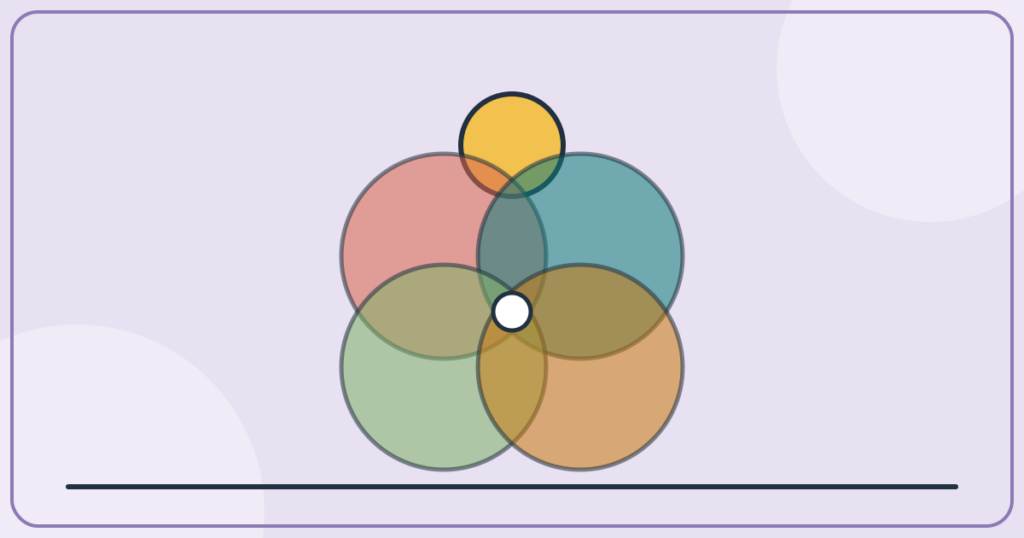
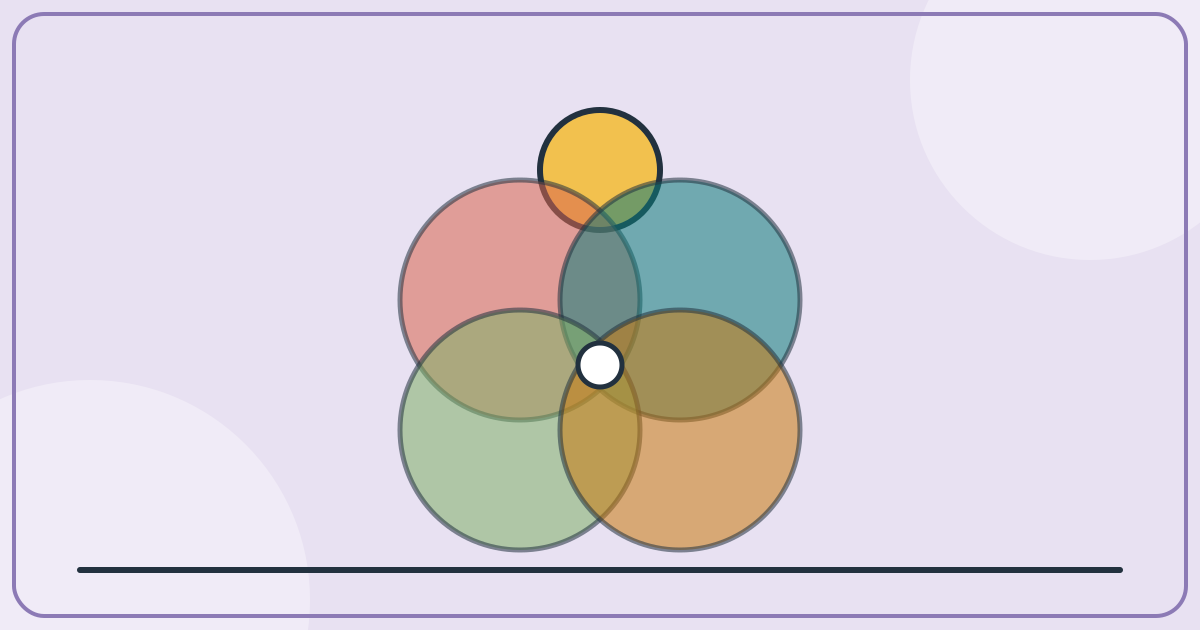
Ikigai looks at your life through four questions. What do you love? What are you good at? What does the world need? What can you earn a living from? Where those four overlap, there is a sense of purpose that feels both personal and useful.

Wisdom in action

Map your four circles. The real power of this idea is that it helps your inner sense of meaning line up with what you actually do each day. It can point you towards a calling that is uniquely yours.

Look at the gaps, too. The four questions also show you where you are stuck: which circle is thin, where you need more attention, and where growth is quietly waiting. Perhaps you are paid well for something you do not love, or you love something no one has yet needed from you.

Live with intention today, not tomorrow. The key to living long and well is not hoping for a great life later. It is living on purpose now. Once you find your reason, pursue it with everything you have. Your time is limited, and anything less is not worth it.

Drop the “I will be happy when” trap. Telling yourself that happiness will arrive after the next achievement is a reliable way to stay unhappy. So is sacrificing every present moment for some future reward. Happiness is not a destination waiting down the road. It is a way of being, available today.

Try this today

Draw four overlapping circles on a page and label them: love, good at, the world needs, paid for. Write at least three things in each. Circle anything that appears in more than one. That is where to look first.

Life Lessons

Your Worth Is Yours To Measure

Your Worth Is Yours To Measure

If your sense of worth rises and falls with other people's approval, you will never feel steady. Measure yourself with a stick you actually hold.

Your Worth Is Yours To Measure

You post a photograph you were proud of. An hour later it has a handful of likes and you feel oddly deflated. At work, your manager praises a colleague in the meeting and says nothing about your report, and the rest of the afternoon feels grey. Your mood seems to be set by people who are barely thinking about you.

What is really going on

When your sense of worth depends on outside approval, you hand the controls of your happiness to everyone else. And everyone else is different. People see the same thing in completely different ways, so what others think of you, your reputation, is simply not something you can manage. Chasing it is like trying to hold water in your fist.

Wisdom in action

Remember you are one of a kind. When life knocks you over, recall that every person is as distinct as a snowflake, with a shape no one else has. Comparison loses its grip when you see that.

Stop living to please. Life is too short to spend it arranging yourself around other people’s expectations. Begin pleasing yourself, in the best sense: living in a way you respect.

Start from enough. You came into this world already worthy and already enough. When you insist that you are broken or not good enough, you are quarrelling with the very life that made you as you are.

Change your measuring stick. How you measure your worth shapes the whole life you lead. Choose measures you control, such as effort, honesty, kindness and growth, rather than events outside you.

Know yourself and be at ease with who you have become. When you do, you will find a steady peace through the inevitable highs and lows. You will still believe in yourself if you lose a job, go through a separation, or miss out on a promotion.

Live from the core. Rather than chasing things that give your self-esteem a brief lift, judge yourself by who you are underneath. Act in line with your values, and build a life with meaning and purpose.

Try this today

Write down three measures of a good day that depend only on you, for example “I kept my word”, “I learned something”, “I was kind”. Tonight, score your day on those three alone, and ignore every other number.

Life Lessons

Let The Stars Be Your Guide

Let The Stars Be Your Guide

There is no map for a life, no fixed start line and no checkpoints. That can feel frightening, until you realise it also means you hold the pen.

Let The Stars Be Your Guide

Your friends seem to have their lives sorted: the right course, the right job, the right partner, all arriving on schedule. You, meanwhile, changed direction twice, lost a year to something that did not work out, and still are not sure where you are headed. Late at night you wonder if you have taken a wrong turn somewhere.

What is really going on

Choosing a direction in life is genuinely hard. There are hundreds of roads, and each leads somewhere a little different. The trip is long, often slow, and full of surprises. Along the way we pick up lessons in sacrifice and trust, in friendship and loyalty, in love, passion and heartbreak. Nothing is fixed, and nobody hands us a map, so it is easy to lose our bearings and end up in places we never knew existed. Some of those detours turn out to be beautiful and enriching. Others feel like a wreck that leaves only damage behind. Both are part of the road.

Wisdom in action

Let go of the straight line. A life does not run like a race. There is no official start, no finish tape and no checkpoints you must pass to be allowed to continue. Comparing your route with someone else’s makes little sense when every route is different.

Accept that no one else can see ahead for you. Others can advise, but nobody can tell you exactly where to go next or what is coming. Only you can find that out, by walking.

Take the wheel. You are responsible for your own life, your own happiness and your own journey. That can feel heavy, but it is also freeing.

Welcome the big questions. There will be seasons when you question who you are, what you want, which friendships and relationships belong in your life, even what it all means. Every one of those questions has an answer, but the answer only shows up when you are willing to give it time and effort.

Follow what you love. Do work that lights you up, and do not let fear of failing dim your hopes. Now and then, take a leap of faith, and treat each unexpected turn as a detour worth exploring.

Try this today

Step outside tonight and look up for two minutes. Then write down the three things you most love doing, and one small step you can take this week toward any of them. That list is your guiding star for now.

A whole world is out there, still unexplored by you. What you love, what you dream of and what you hope for: that is the material it is made from.

Relationships

What A Good Deed Does For You

What A Good Deed Does For You

Call it kindness or paying it forward. A good deed helps the other person, and it quietly does something for the giver too.

What A Good Deed Does For You

It has been a rough month. Your days feel long and your worries seem to fill every room. On the way home you see an elderly neighbour struggling with heavy shopping bags at the gate. You almost walk past. Instead, you take the bags up the stairs. Ten minutes later, back in your own flat, you notice you are smiling for the first time in days.

What is really going on

We call it many things: random acts of kindness, paying it forward, simply doing a good turn. Whatever the name, it is surprisingly powerful, which is why nearly every culture on earth honours it. Some of its benefits are obvious. Others are easy to miss, especially the ones that flow back to the person who does the deed.

Wisdom in action

It lifts your own mood. Beyond helping someone else, a kind act warms you from the inside. Feeling useful to another person is one of the most reliable ways to feel good.

It fills empty time with meaning. If you are between jobs or have retired, the days can stretch. Giving some of that time to others turns idle hours into worthwhile ones.

It brings people together. For anyone who feels cut off or lonely, helping out is a social act. It puts you among people and gives you a reason to talk.

It shrinks your worries to their true size. When you turn your attention to someone else, you step out of the loop of your own problems. It brings home that plenty of others are struggling too, and that many people carry far heavier loads than yours.

It leaves something better behind. Whether you give time, skill or money, you are usually doing it to make some small part of the world a little better. That sense of purpose stays with you.

Try this today

Do one good deed that costs you less than fifteen minutes: carry something, fix something, teach a small skill, or simply call someone who lives alone. Do not mention it to anyone. Before you sleep, notice how you feel.

Mind & Habits

You Are Not The Enemy

You Are Not The Enemy

You would never speak to a friend the way you speak to yourself after a mistake. Self-acceptance begins by becoming that good friend on the inside.

You Are Not The Enemy

You send an important email with a glaring typo. Within seconds a voice in your head starts: careless, useless, always the same. If a colleague had made that slip, you would have shrugged and said it happens to everyone. Yet to yourself you show no mercy.

What is really going on

Most of us are our own toughest critic. We assume that being hard on ourselves keeps us sharp. In fact, self-acceptance does the opposite of making us lazy. It means holding yourself lightly, even with a little playfulness. Practised well, it does not lead to giving up. It leads to feeling capable and enjoying life more. It is one of the biggest supports your wellbeing can have, and at its heart it is a simple commitment: treat yourself the way a good friend would.

Wisdom in action

Picture what a good friend does. When you are struggling, a good friend listens carefully. They do not judge, unless you ask for their honest view. They stay beside you with warmth and support. And when it is needed, they stand up for you. Now imagine being that friend to yourself, and practise it the next time things go wrong.

Accept the hard parts without hating them. Self-acceptance does not mean pretending you have no flaws. It means looking at the things you find difficult about yourself, the temper, the procrastination, the shyness, without contempt or disgust.

Then plan for change. Acceptance is not the end of growth; it is where real growth begins. Once you stop fighting yourself, you can make a sensible, realistic plan to change what you want to change.

Notice the shift in motivation. Before acceptance, change feels like repairing something hateful and unacceptable. After acceptance, it feels like improving something you are already at peace with. The second kind of change is kinder, and it lasts far longer.

Try this today

The next time the inner critic speaks, stop and ask, “What would a good friend say to me right now?” Say that sentence to yourself, out loud if you can. Then choose one small, practical step to put the mistake right.