Tag: Adults

Mind & Habits

The Quiet Strength Of Solitude
The Quiet Strength Of Solitude

When were you last truly alone, with no people, no noise and no screen? Why choosing solitude now and then makes life simpler and thinking deeper.
The Quiet Strength Of Solitude

When were you last alone? Properly alone: no people, no noise, no devices, no distractions of any kind. Just you and your thoughts.

We are never really alone any more

Our devices keep us permanently connected to everyone else. Social networks, instant messages and emails never stop. Technology has put other people one click away and made the world much smaller.

At the same time, work has swung hard towards collaboration. The buzzwords never end: group thinking, team building, engagement, cooperation, open culture. The lone genius is going out of fashion and teamwork rules. Both trends reflect the times, but between them they have crowded out something vital: solitude.

Alone is not the same as lonely

The value of time alone should not be written off. Sadly, our culture has turned being alone into a kind of oddity, something a well-adjusted person is not supposed to experience. The point here is being alone, not being lonely, though the two have become muddled. Solitude has a great deal to offer every part of life, and everyone should make a deliberate effort to have some regularly.

Being alone can feel frightening. It makes us question things: ourselves, our choices, our lives. The world offers so many distractions that we can spend nearly a lifetime never pausing to reflect on what we are actually doing. The constant chatter buries our most important thoughts, and without room to develop, our finest ideas may never form. We need to clear some room.

What chosen solitude gives you

  • Freedom. You are fully in charge and can let the moment take you anywhere. No agendas to follow, no personalities to please, nobody to compare yourself with. You see people and the world in a new light.
  • A slower pace. You notice and enjoy what is around you and think about your life on purpose, instead of reacting to the endless demands piled onto you every day.
  • Your own good company. Time alone lets you get to know yourself and relax without worrying what others think. Be your own best company and you will never be without a friend.
  • Things you would never do otherwise. Alone, we think, read, write, reflect, observe and explore far more than we do amid the bustle. Priorities shift and life gets simpler. Whether or not you are surrounded by people all day, some deliberate time to let your thoughts roam is good medicine for all of us.

Find it anywhere, in balance

You can find solitude almost anywhere; it just takes a little extra effort. Notice the quiet gaps in your day and make the most of them. One word of caution: the aim is not to be alone all the time. Connection and teamwork have real value, but they need balance, and right now most of us lean a little too far towards being connected. So take some time for yourself. You may enjoy it far more than you expect.

The poet May Sarton put it well: loneliness is a poverty of the self, while solitude is its richness.
Life Lessons

Four Reasons To Stop Lying

Four Reasons To Stop Lying

Small lies feel like shortcuts, then pile up into stress, inner conflict and more lies. Four reasons the truth is the braver and lighter choice.

Four Reasons To Stop Lying

Lying has become an everyday habit for many people, and it can lead to serious trouble, both in the mind and in life. The piece this post draws on was written for women, but its reasons apply to anyone. Here are four good reasons to stop.

1. Truth makes you brave

Telling an awkward, inconvenient truth takes more courage than telling a risky lie. Strong, wise people put truth first, especially where feelings and relationships are involved. The truth may sting in the moment, but the person on the other side will respect you for having the courage to say it.

2. Lies do not solve problems

Do you believe a few white lies will make your problems go away? If so, think again. Lies do not remove problems; they double them. Honesty is the best policy in every situation. Step out of that game: be honest, and accept what follows from your actions.

3. Lies create inner conflict

Lying sets up a war inside you. It creates stress that drags down your mood and hands you fresh problems. Worse, lying can become a habit, and one lie needs another to hide it, and then another. Over time it wears away your confidence and your self-respect.

4. Truth means less stress

Honesty leaves you less tense and less low, because you no longer have to keep track of every white lie or worry about being found out. Many people find that honesty leaves them calmer, healthier in spirit and clearer in their thinking.

The simple test

Before a small lie slips out, ask one question: will I have to remember this? The truth never needs remembering. That alone makes it the lighter load to carry.

Mind & Habits

Make Peace With Your Flaws

Make Peace With Your Flaws

Admitting your shortcomings is hard, and it pays you back many times over. Thirteen quiet gains that come from accepting what you are not yet good at.

Make Peace With Your Flaws

Owning up to your weak spots is hard. Find the will to do it, though, and a surprising number of rewards follow. Here are the reasons it is worth the effort.

It makes you braver

Owning up to your shortcomings takes real courage. Only someone brave and strong-willed can look at their own weak spots without flinching.

It makes you a better person

Admitting that you have flaws is the first step towards improving. It also brings a natural modesty and humility that others notice and respect.

It lets you be at ease with yourself

Accepting your flaws means accepting yourself as you really are. Once you are comfortable in your own skin, a deep calm follows, a clean and quiet sense of peace. It also gives your life a feeling of stability.

It points you towards a better future

When you accept that something is missing, you can head deliberately towards filling that gap. In that way your flaws become the starting point of a plan. Embracing them shows you are willing to change things for the better.

It improves your relationships

Admitting you were wrong, instead of stubbornly trying to prove your point, does wonders for how you get on with people, especially your partner. It also makes it easier to love yourself, and to love others.

It builds success and empathy

Accepting your flaws and working on them is the surest route to success. It also makes you gentler with other people’s shortcomings, because you know how it feels to have your own.

It makes you stronger, and keeps you growing

Facing your flaws and weaknesses strengthens you emotionally and mentally, so you can take setbacks in your stride. And once you accept that you are imperfect, you never grow complacent. You keep trying to improve and to do better, and that steadily makes your life better too.

Life Lessons

The Easy Path And The Worthwhile One

The Easy Path And The Worthwhile One

Everything in life is hard before it becomes easy. Eighteen everyday choices where the easy road and the worthwhile road split apart.

The Easy Path And The Worthwhile One

Everything in life is hard before it becomes easy. At almost every turn two roads open up: the easy one, and the one that is actually worth taking. The easy road asks nothing of us today and costs us later. The other road asks a great deal today and pays us back for years. Here are the places where the two part company.

With the people in our care

  • It is easier to punish a child than to patiently raise one.
  • It is easier to use emotional blackmail than to lift people through leadership.

With what we have and what we earn

  • It is easier to take than to earn.
  • It is easier to hoard than to share.
  • It is easier to enjoy the glory alone than to share the spotlight.

With problems and promises

  • Blaming is easier than solving.
  • It is easier to abandon a commitment than to stand by it.
  • It is easier to look on than to take the initiative.

With our attention and our work

  • It is easier to be distracted than to focus.
  • It is easier to look busy than to be productive.
  • It is easier to repeat than to improve.
  • It is easier to follow a path than to make one.

With other people

  • Gossiping is easier than keeping a confidence.
  • It is easier to blend into the crowd than to stand out from it.
  • Spotting faults is easier than spotting greatness.

With our own hearts

  • It is easier to be proud than to be grateful.
  • It is easier to stay hurt than to forgive.

Choosing the other path

None of us takes the harder road every time. The point is to notice the fork when it appears. Each time you pick the worthwhile option, even once in a day, that road gets a little easier to walk, and in time it becomes the natural way you move through the world.

If you want your words to make sense, let them come out of silence. Sit quietly for five minutes every day.

Mind & Habits

Four Steps To A Steadier, Positive Mind

Four Steps To A Steadier, Positive Mind

Some experiences lift us and others open a tap of negativity. Whether that tap keeps running is up to you. Four simple steps to close it.

Four Steps To A Steadier, Positive Mind

Life brings every kind of situation and experience. Some leave us with good feelings and thoughts. Others start a steady trickle of negativity that seems never to stop. Whether you let that negativity grow inside you or keep it in check is your decision. Here are four steps towards a positive mind, and towards leaving negativity behind for good.

1. Live in the present

Nobody has superpowers. You cannot change what has already happened, and you cannot see what the future holds. The only thing within your reach is to enjoy the moment you are in. Every minute spent reliving the past or worrying about tomorrow is a minute taken away from the one place you can actually act.

2. Keep positive people around you

Extrovert or introvert, you have to deal with people. Negative people pull you towards negative beliefs, gloomy outlooks and discouraging stories. Keep your distance from them, and spend your time with people who spread good energy. Moods spread, so choose carefully what you let rub off on you.

3. Start the day with a positive feeling

Simply tell yourself something like “Today will be a good day” or “Whatever happens, I am happy today.” Talking to yourself kindly does not mean you are losing your mind. It shows a mind turned towards the good, and it sets the tone for everything that follows.

4. Meet challenges with a positive attitude

Learn to turn mistakes, failures and heartbreaks into valuable lessons for life. Face your fears head on, and overcome whatever is stopping you from living a full and satisfying life.

The thread through all four

None of these steps asks you to pretend that bad things do not happen. They ask you to choose where your attention goes: to the present rather than the past, to people who lift you rather than drain you, to a hopeful first thought rather than a fearful one, and to the lesson rather than the wound.

Relationships

The Silent Treatment Hurts Both Sides

The Silent Treatment Hurts Both Sides

Holding back feelings, praise or support is usually a habit born of old pain. How to cope if it is done to you, and how to unlearn it if you do it.

The Silent Treatment Hurts Both Sides

Holding back is usually rooted in emotional pain, and it spreads that pain to everyone on the receiving end.

What withholding looks like

Its best-known form is the silent treatment, but withholding covers any reluctance to show what you truly feel. It also includes holding back support, praise or warm attention from the people you love.

Most of us have known someone who is impossible to please, and many of us have suddenly found ourselves facing a cold silence with no explanation. At the same time, plenty of us will recognise the habit in ourselves: keeping our feelings locked away rather than saying them. Most people have been on both sides. It is an unhealthy pattern, and it breaks down communication and understanding.

If it is being done to you

Nobody deserves to be treated this way. Feeling ignored, disrespected or shut out, without knowing why, is awful. The first thing to remember is that you are not to blame. You have been caught up in someone else’s pattern of pain. This person does not know how to express feelings in a healthy way, probably because that is what they learned as a child.

The second thing to remember is that the withholder is acting out of their own hurt. They are stuck in a habitual response that defeats its own purpose and pushes away the very people they love. Keeping this in mind can help you feel compassion for the person hurting you.

Even so, if you have put up with the pattern for too long, you may need some distance. Take time to examine your own patterns and understand why you have played a part in this drama. If it is happening within your family, you can be the one who steps forward to break the chain.

If you are the one who withholds

Understand that withholding is a learned response, and anything learned can be unlearned. Find safe places to start expressing what you have been holding back. Make a deliberate effort to say what you are feeling and thinking. Praise someone you love. The more you practise, the healthier you and your relationships become.

Something learned over a lifetime will not change overnight. Take it one day at a time.

We keep piling up worries, anxieties, failures, frustrations, fears and disappointments that would be better thrown away and forgotten, and we turn the garden of our life into wasteland. Let the negative emotions go, and watch your life change.

Mind & Habits

Envy Quietly Steals Your Own Life

Envy Quietly Steals Your Own Life

Everyone envies someone now and then. The damage starts when the feeling takes over, and you stop seeing your own life for staring at someone else's.

Envy Quietly Steals Your Own Life

Jealousy is a sharp, stinging emotion. It can leave us bitter, even hostile, towards another person, whether we know them well or have never met them.

What envy actually is

Envy is the discomfort of seeing someone else happy. It might be their success at work or something in their personal life. Whatever it is, the moment you notice what they have achieved, you begin measuring it against what you have.

Everyone does it. That is not the problem

All of us envy other people at times. Fair enough. The trouble starts when you let that feeling seep into every thought and emotion you have about that person, or about yourself. At that point you lose touch with your own reality.

The grass and the rain cloud

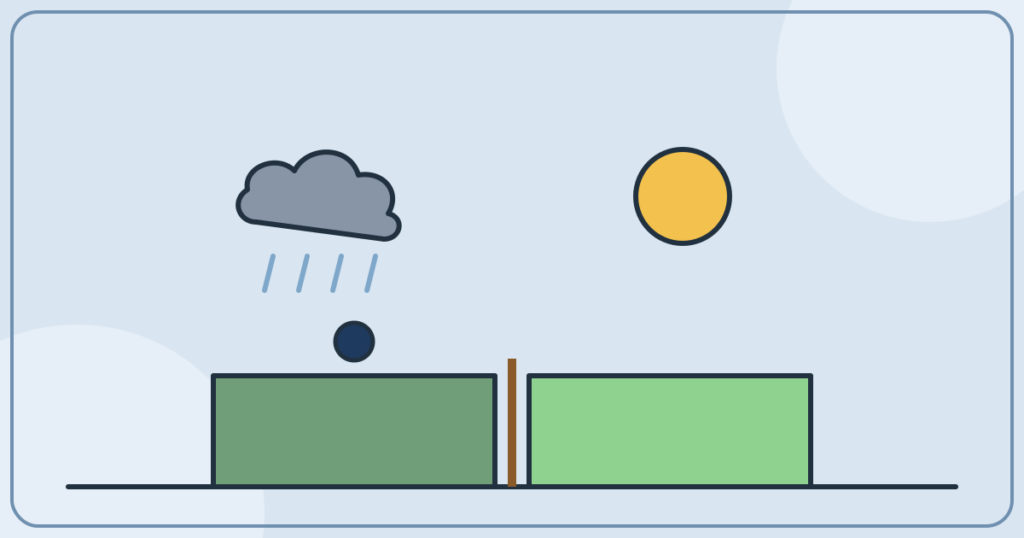
When all your attention goes to what others are doing on their greener patch of grass, you fail to notice why yours looks darker: you are standing under your own rain cloud. The gloom is coming from where you stand, not from what you have.

One life, and it is yours

You get one life, and it is your own. Spend it comparing yourself with others and resenting everything they have that you want, and there will be no space left for motivation. The negativity will fill every corner of it.

The way out starts with noticing. When the comparison begins, bring your attention back to your own ground: what you are building, what you are grateful for, and what you can do next. Your energy is limited. Spend it on your own garden, not on watching someone else’s.

Life Lessons

Lift Yourself Out Of A Low Season

Lift Yourself Out Of A Low Season

After a job loss, a bereavement or a long grey stretch, it is worth making a deliberate effort to shake off the gloom. Four ways to start moving again.

Lift Yourself Out Of A Low Season

When gloom settles in and drains your energy, it is worth making your own deliberate effort to break free of it and move on towards the future. Here are a few ways to refresh yourself and face what comes next.

Change your surroundings

Moving somewhere new, or simply taking a holiday, will not fix the root of your unhappiness, which may be the loss of a job or the loss of someone you love. It will, at the very least, help you set your troubles aside for a while, and that pause has value of its own.

Take up yoga

Yoga does help. It works on body and mind together, and that double focus is exactly what you need when unhappy thoughts are crowding in on you. Find a good teacher and learn it properly.

Accept help from someone

Many people treat asking for help as something to be ashamed of. It does not have to be. You see a doctor for the ailments of your body without a second thought. In the same way, you should admit it when something in your mind is more than you can handle on your own, and let someone qualified help you with it.

Take up a hobby

Everyone has an interest of some kind. It might be something thrilling, such as an adventure sport, or something quieter, such as reading or listening to music. What all hobbies have in common is that they bring the mind some peace.

The thread running through all four

None of these makes a loss disappear. What they do is give you small, practical footholds: a change of scene, a calmer body, a listening ear and an absorbing pastime. Each one moves you a step away from the gloom and a step towards the future.

Life Lessons

Why We Are Not Shown The Whole Map

Why We Are Not Shown The Whole Map

We often wish we could see how life will turn out. Knowing everything in advance would probably crush us, and not knowing is what makes us grow.

Why We Are Not Shown The Whole Map

We often wish someone would show us the whole picture of our lives. It is not always good for us, because seeing everything at once would easily overwhelm us.

The wish to know

Now and then we catch ourselves wanting to know what our lives will look like, and what gifts and difficulties the coming months or years will bring. We want to know whether our present relationship will last, or whether our goals will be reached. Faced with a decision, we want to know in advance which choice will work out best. Some people even turn to fortune-tellers, their dreams and all kinds of other sources, hoping to find out what lies ahead. At most we get fleeting glimpses.

We may believe we want the whole story in full detail. In truth, knowing everything that is going to happen to us would probably leave us swamped and worn out.

Look at what you have already lived

Think about your life so far. Like most people, you have probably done more and faced more than you could ever have pictured. If someone had told you as a child about every job and every relationship you would go through, with all their ups and downs, you would have been overwhelmed. With your head crammed with facts about the future, you would have struggled to live in the present moment, and the present is where everything actually happens.

Not knowing is how we grow

In many ways, not knowing what is coming draws out of us the very qualities we need to grow. It would have been hard to give yourself fully to certain people or projects if you had known they would not work out in the end. Yet it was by sticking with them that you learned the lessons you needed.

Look back over your life and you would struggle to name anything that should not have happened. Your hardest experiences, and the lessons that came with them, may well have brought you your greatest rewards. Not knowing the future keeps us in the right place: wholehearted, and living in the present.

Mind & Habits

A Few Quiet Minutes Of Looking Inward

A Few Quiet Minutes Of Looking Inward

In a rush-everywhere world, sitting still with your own thoughts can feel like wasted time. Six ways a little daily introspection pays you back.

A Few Quiet Minutes Of Looking Inward

Introspection means looking closely at your own thoughts, feelings and sensations so you can understand yourself better.

In a world obsessed with speed and the urge to keep moving, finding time to sit down and reflect is hard. Yet setting aside even a small part of each day to examine yourself can help far more than you might think. Here are some of the ways it earns its place in daily life.

It shows you your negative patterns

Perhaps you keep going back to a relationship that hurts you, telling yourself that despite all the frustration and inconsistency the other person will change one day. Perhaps you keep covering for a colleague who does not pull their weight, putting your own work on hold and damaging your progress over time. Whatever the pattern, introspection helps you see it, and see how and why it drags down your mood and your outlook. From there you can think about other ways to handle those situations and, in time, move away from the sources of stress altogether.

It keeps the bigger picture in view

Without an overall aim, daily tasks start to feel pointless and more and more frustrating. That is why it matters to have a clear picture of where you want to be in the future.

It stops you fretting over what you cannot control

A maddening traffic jam, or a manager who never listens to your views: however often we are told not to stress over what we cannot change, we do it anyway. Accepting that we are not always in charge of the outcome, and that sometimes we simply have to adapt to poor conditions, is hard. Introspection helps us let go of the things we cannot influence and put our energy into the things about ourselves that we can definitely improve.

It lets you look your fears in the eye

We would all like to be the person who dives into any challenge and comes out on top. But everyone is afraid of something, whether it is rejection, failure or something else entirely. Introspection lets you admit your fears to yourself and, over time, work out how best to deal with them.

It lets you define happiness for yourself

When are you happiest? Whose company do you enjoy most? These questions can sound trite, but they are valuable. When you notice the good things in your life, you can use what you learn to shape your future goals and plans.

It lets you decide by your own conscience

When you face a big decision, the important people in your life will naturally have views. Introspection helps you decide on the basis of a full understanding of what is right or wrong for you. You end up choosing according to what you truly believe, rather than letting other people’s opinions push you around.