Tag: Everyone

Mind & Habits

Step Back And See The Big Picture
Step Back And See The Big Picture

Small irritations crowd out what makes life precious. Stepping back, and finding the calm centre within, restores perspective when everything is in a whirl.
Step Back And See The Big Picture

Step back and look at the big picture. When you do, you begin to see all the good possibilities that life offers.

Rise above the frustrations and annoyances that always demand far more attention than they deserve. Remind yourself that you have something unique and valuable to offer the world. Take a moment to feel how good life can be, and commit yourself to spreading that goodness through your thoughts, your words and your actions.

A view from fifty years ahead

The world is full of manufactured urgency, and in the rush we easily forget what makes life worth so much. Give yourself the gift of perspective. Picture yourself half a century from today, remembering this exact day and hour. Seen from there, which chances and openings stand out that today you are walking straight past?

Move away from the clamour and turn towards what is truly beautiful and solid in life. Hold the wider view, and let it shape how you spend each small moment.

The calm at the centre

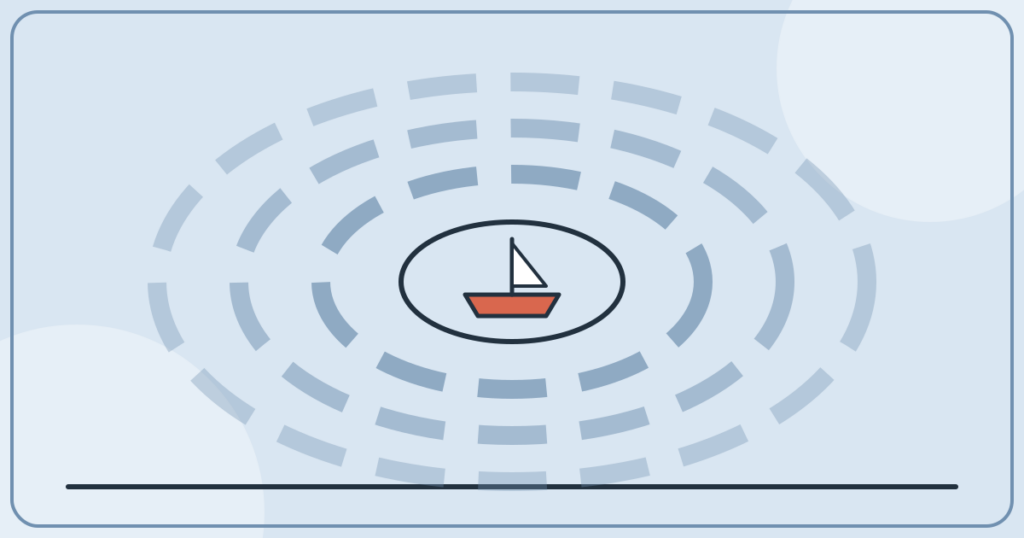
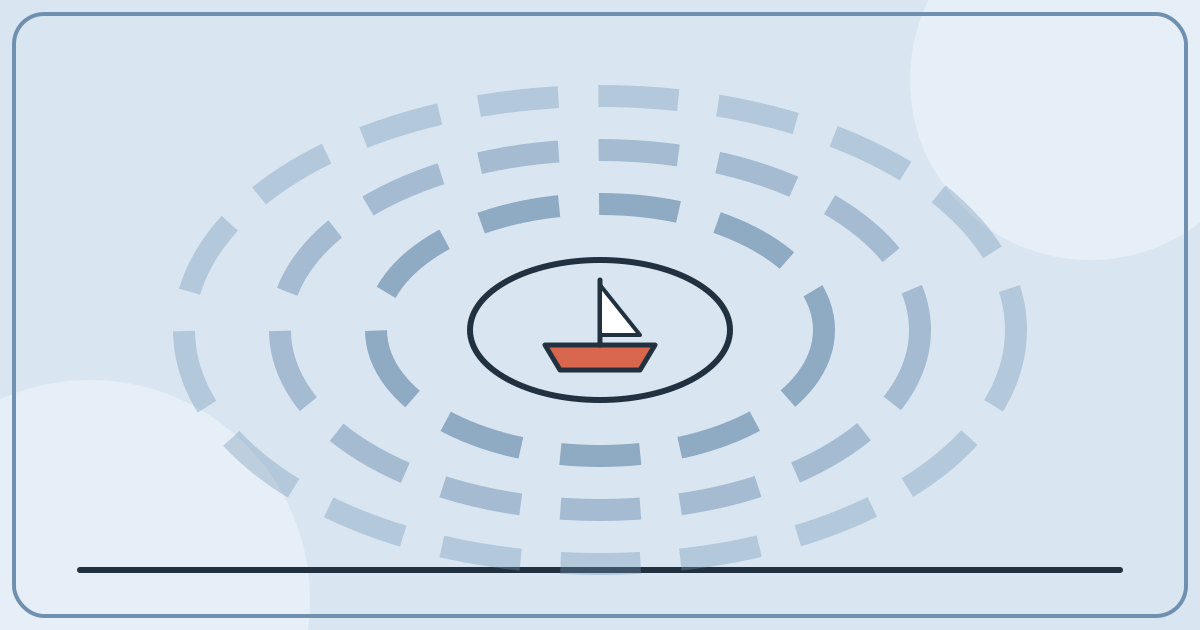
The same page offered a short reflection that belongs beside this one. An experienced captain caught in a tropical cyclone knows that a ship kept at the outer edge gets tossed back and forth. Steer into the eye, though, and the ship finds a pocket of calm. There he waits for the storm to pass, and then the ship can continue its journey.

In the same way, when everything around you is changing in an intense way, the best place to seek shelter is not outside but deep within yourself. Inside, you can reconnect with who you are and draw on steadiness and strength. Then come back out, and do whatever it is you need to do.

Both lessons point the same way. When life feels crowded or chaotic, the answer is rarely to push harder at the edges. Step back for the wider view, or step inward to the still centre. From either place, you see more clearly and act more wisely.
Relationships

Joy Grows When It Is Shared

Joy Grows When It Is Shared

Planning to visit your dream destination alone? Studies show that living a moment alongside someone, even without a word, makes it feel stronger.

Joy Grows When It Is Shared

Thinking of travelling to the place you have always dreamed of, entirely by yourself? You may want to reconsider. Researchers have found that going through an experience together with another person seems to intensify it.

What the research found

People who shared an experience with someone else rated it as more pleasant, or more unpleasant, than people who went through the same thing alone. The lead researcher, a psychologist at a well-known American university, put it simply. When two people attend to the same pleasant thing together, be it a great painting or a tune playing on the radio, they enjoy it far more. The opposite is also true. A bad experience feels milder when faced alone, and harsher when someone else goes through it with you.

Sharing works even without words

The striking part is that the sharing does not need conversation. Simply experiencing something alongside another person, even silently, seems to focus our attention. It makes us more tuned in to what we are sensing and perceiving.

In one of the experiments, college students tasted pieces of chocolate. Even though the chocolate was identical every time, the students tended to rate it as more delicious when another person was tasting it at the same moment. So simply sharing a moment seems to alter what our senses report back to us.

What we can take from this

Two lessons follow, and they pull in opposite directions.

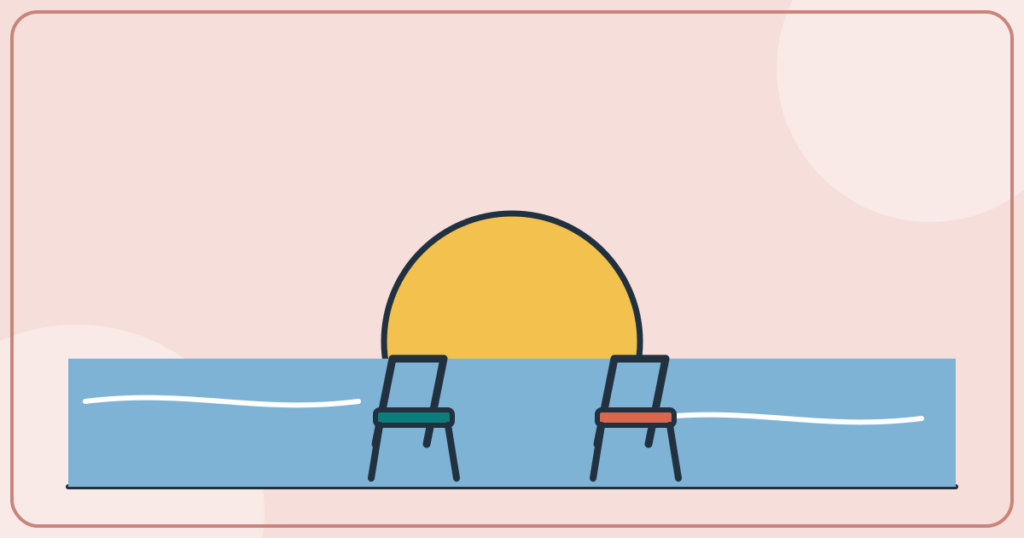
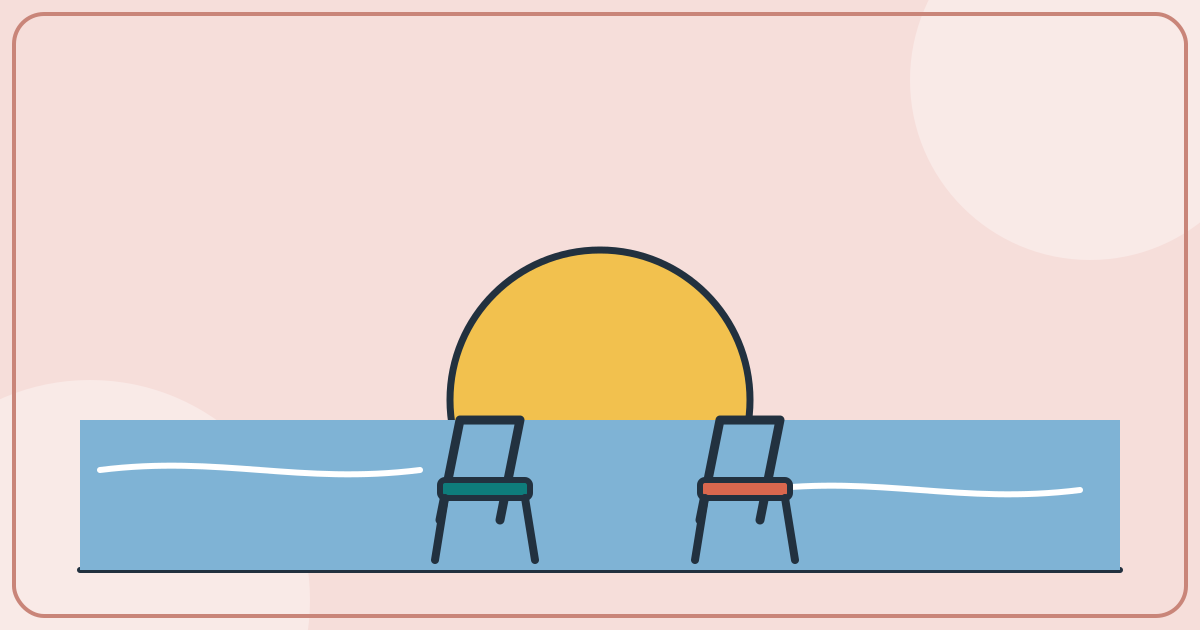
The first is an invitation. Good moments grow bigger when they are shared. A sunset, a meal, a piece of music or a small success feels richer with someone beside you. So when something good is coming, think about who you would like to share it with.

The second is a caution. The same effect amplifies the bad. Dwelling together on a grievance, or feeding each other’s worry, can make a hard thing feel heavier than it is. Company in difficult times is precious, but it helps most when it steadies us, not when it stirs the trouble up further.

Choose carefully what you share, and with whom. Shared attention is powerful. Point it at what is good.

Health & Body

Reconnect And Recharge In Nature

Reconnect And Recharge In Nature

Time in nature lifts us beyond our small worries. Reconnecting with it begins with listening, finding quiet and practising awareness and kindness.

Reconnect And Recharge In Nature

Reconnecting with nature does something special for our inner life. It brings a feeling of being part of something larger than ourselves. Cultures throughout history have honoured rivers, mountains, trees, flowers, the sun, the moon and the other elements of the natural world.

But the steady destruction of the natural world has frayed that bond. By reawakening our sense of connection, we can begin to repair some of the harm done to the natural world.

First, listen

Before we can communicate with nature, we need to truly listen to it: the wind, the birds, the water, the quiet. Most of us rarely give it that attention.

Find a quiet place, outside and inside

Whether you find yourself high on a mountain or in a neighbourhood garden, part of reconnecting is finding a quiet time and a quiet place in your mind, so that you can focus. Meditation helps, though it may feel difficult at first.

Bring awareness, wisdom and kindness

With real commitment, and by cultivating awareness, wisdom and kindness, you will be moving in the right direction. Awareness lets you notice the beauty around you. Wisdom helps you understand your place in it. Kindness turns that understanding into care for the living world.

You do not need a long trip to begin. A few minutes under a tree, a slow walk along a stretch of water, or simply watching the sky at dawn can be enough to recharge a tired mind and remind you that you belong to something much bigger than your worries.

Mind & Habits

Find Your Keystone Habit

Find Your Keystone Habit

A keystone habit is the one habit whose ripple effect changes everything else. Finding yours depends on where you are in life right now.

Find Your Keystone Habit

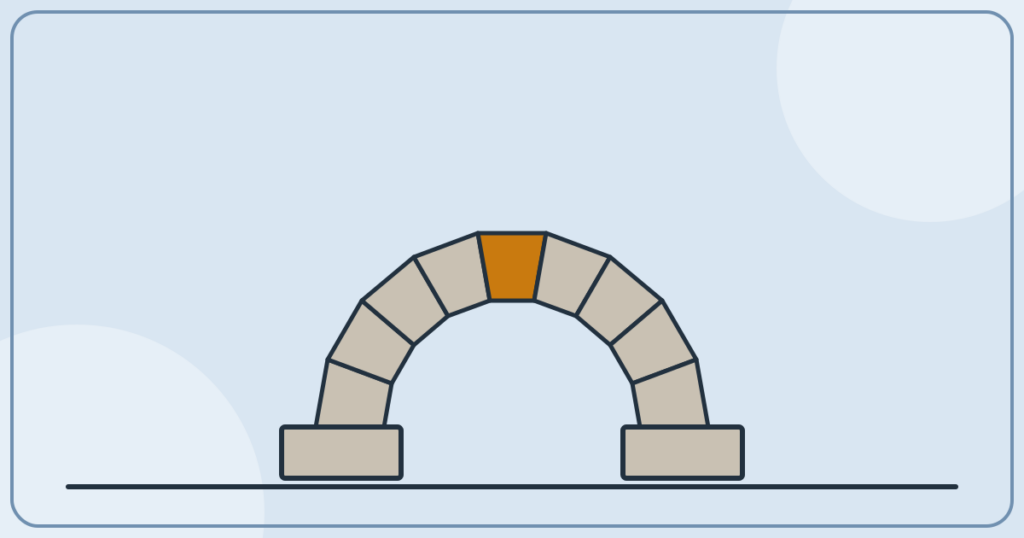
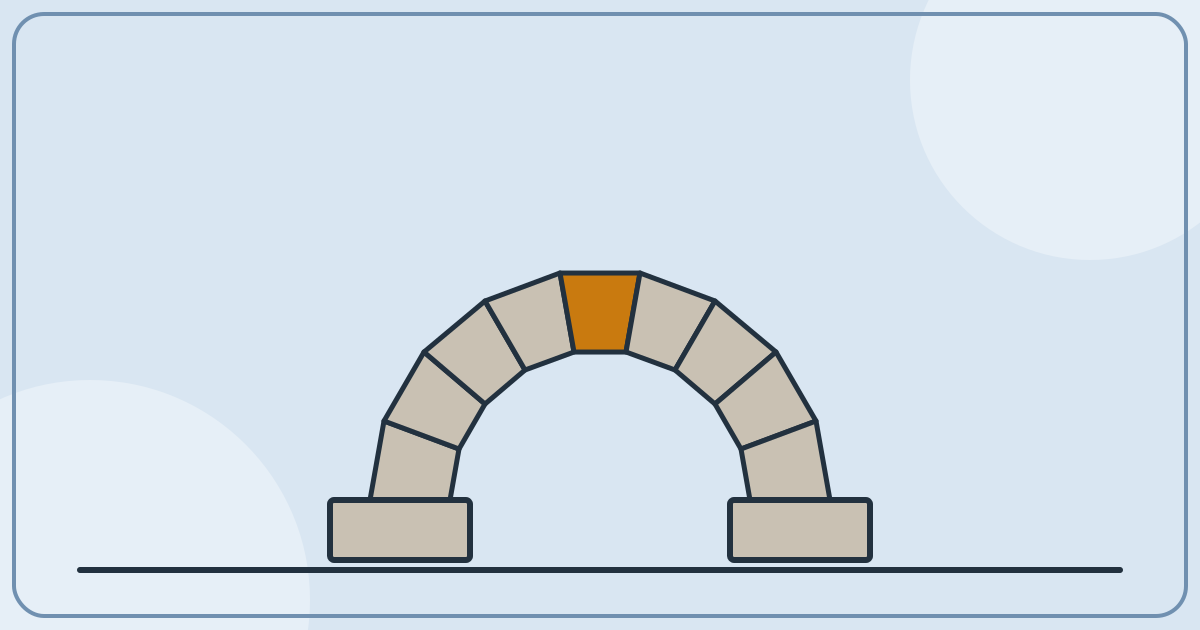
In an arch, the keystone is the single stone at the top that holds all the others in place. A keystone habit works the same way. It is the one habit with the biggest ripple effect on your life, so that adopting it can transform almost everything else.

They work in both directions

It is fairly easy to spot the keystone habits that make life miserable. One bad habit can quietly drag down sleep, mood, work and relationships all at once. So it makes sense to open your eyes and use the same power the other way, to make life better.

A keystone habit centres on a single action, just one, that transforms your life. People usually find their keystone habits in four areas: physical, intellectual, emotional or spiritual. The skill lies in recognising which habit would serve your life best at this particular moment.

There is no single right answer

Asking what the best keystone habit is resembles asking what the best book in the world is. The answer varies with the person and with where their life stands today. Everyone is different, with different things going on, so claiming one habit is always superior would be irresponsible. Yet just because everything is relative does not mean some things are not better than others. We have to take responsibility for finding our own.

Finding yours

Look at your life and ask which single change would make many other changes easier. For one person it is a regular bedtime. For another, a daily walk, a few quiet minutes of reflection each morning, or simply reading before sleep. Choose one, give it your full attention, and let its ripples spread.

Life Lessons

Learning To Value Yourself

Learning To Value Yourself

We are taught to value others, yet often forget ourselves. In our relationship with ourselves, we can be our worst critic or our best supporter.

Learning To Value Yourself

We live in a world where caring for others is rightly prized, while nurturing and appreciating ourselves often gets pushed aside. When it comes to the relationship we have with ourselves, we can be either our own worst enemy or our number one supporter. Here are three steps towards the second.

Appreciate your life as it is

Take a moment right now to look at your life from where you stand, with complete appreciation. Appreciation does not mean standing still. While you value what you have, set the intention to change what you would like to change, and to let go of what no longer serves you.

Set boundaries

Set boundaries for yourself and for your time. This keeps your values in place. Lines are not crossed when you stand firm within the limits you have set. In effect, you are making a non-negotiable agreement with yourself, one that others must respect if they want to be close to you.

Stop comparing

Comparison steals joy. Instead of measuring yourself against others, appreciate all your quirks and oddities. They are your golden ticket to living in your own unique style.

Valuing yourself is not vanity. A person who respects their own time, needs and nature usually has more to give others, not less, because they give from a full cup rather than an empty one.

Wonders & Trivia

Why We Shade The Truth Under Pressure

Why We Shade The Truth Under Pressure

Rushed answers are not the most honest ones. Research suggests that under time pressure we reach for what sounds acceptable rather than what is true.

Why We Shade The Truth Under Pressure

We often assume that a quick, unthinking answer is the most honest one, that the gut speaks the truth before the mind can tidy it up. A study suggests the opposite.

The experiment

Researchers asked about 1,500 people to answer yes or no to a series of statements, such as “Sometimes I get frustrated when I do not get what I want” and “I am always a good listener, no matter who I am talking to”.

Some participants were given plenty of time to answer. Others were pushed to respond within eleven seconds, leaving little room to think.

What they found

The psychologists found that the people under pressure, who had to answer fast, tended to give socially acceptable answers. Those who had time to reflect gave more authentic answers that showed who they really were.

In other words, time pressure does not reveal our true selves. Instead, it brings out the urge to present ourselves in a flattering light, even if that means misrepresenting what we really are, feel or think. Our automatic responses are shaped less by raw instinct than by the social habits we have absorbed over the years.

What it means for us

To get more honest answers, people need time to reflect, and room to loosen their guard so their real selves can come through. So if you truly want to know someone, and connect with them, do not put them under pressure.

The same applies to ourselves. When we need an honest answer about what we want or how we feel, it pays to slow down rather than blurt out the first reply.

Mind & Habits

Whose Thoughts Are You Thinking?

Whose Thoughts Are You Thinking?

Many of our thoughts, likes and desires arrive from outside without our noticing. Filtering them is how you take back control of your mind.

Whose Thoughts Are You Thinking?

The mind is sometimes like a small child. It accepts whatever it sees or hears, without judging it and without considering the consequences.

Few people notice the thoughts passing through their minds, because most thinking happens automatically. If you let your mind wander freely from one thought to the next, you quietly lose your freedom.

A constant flood

We are flooded every day with thoughts, ideas and information from our senses, from other people, from newspapers and from screens. All of this soaks into the mind whether we are aware of it or not.

That stream of thoughts shapes our behaviour and reactions. It shapes how we think, what we prefer, what we like and dislike. Usually we accept these thoughts without question and let them shape our lives, which means we give up some of our mental freedom.

Most people believe their thoughts come from themselves. But have you ever stopped to ask whether your thoughts, desires, likes and dislikes are truly yours? Might some of them have come from outside, from other people, and been accepted as your own without your noticing? If you do not filter what enters your mind, you are no longer entirely free. You let every passing thought steer your life. Leave your mind open to every idea that floats by, and you place your life in other people’s hands, accepting their thinking and acting on it.

Taking back control

If you want outside influences to have less hold on you, start noticing the thoughts and wishes that drift into your mind. Ask yourself whether you really like them, and whether you are willing to accept them into your life. Find out whether each thought is your own or someone else’s. Decide whether it is useful, and whether following it is truly good for you. This gives you more control over how you think.

It may not be easy at first, because your mind will probably resist being watched. But if you want to be the master of your mind and your life, do not let other people’s thoughts run it, unless you consciously choose to.

Understanding the myths and half-truths we hear repeated, and seeing them for what they are, lets you break free and find more joy than you thought possible. Whether you believe you can do something or believe you cannot, you will usually prove yourself right.

Terms Explained

The Bullet Train Way To Change

The Bullet Train Way To Change

Named after Japan's bullet train, the Shinkansen effect is a way of handling any crisis by making a bold shift instead of small adjustments.

The Bullet Train Way To Change

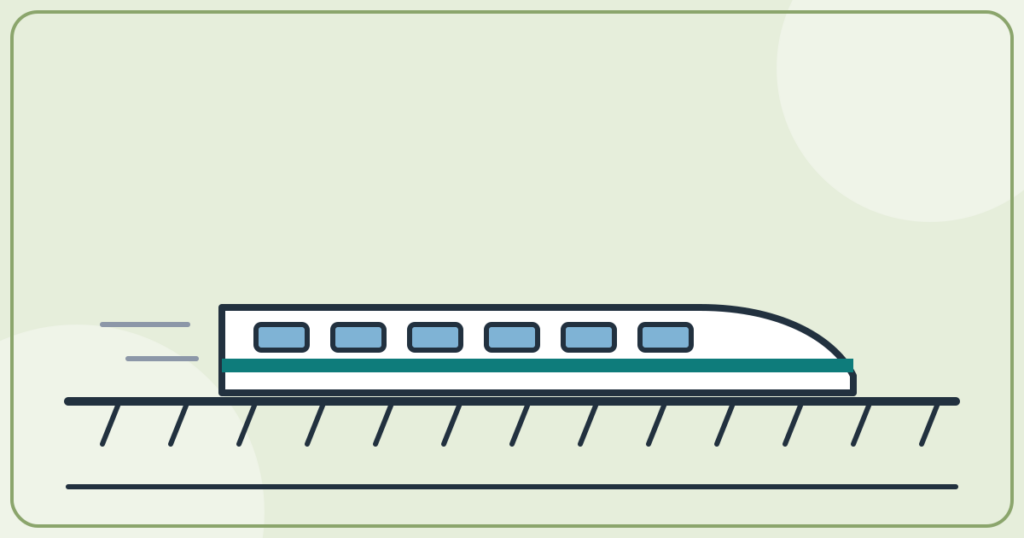
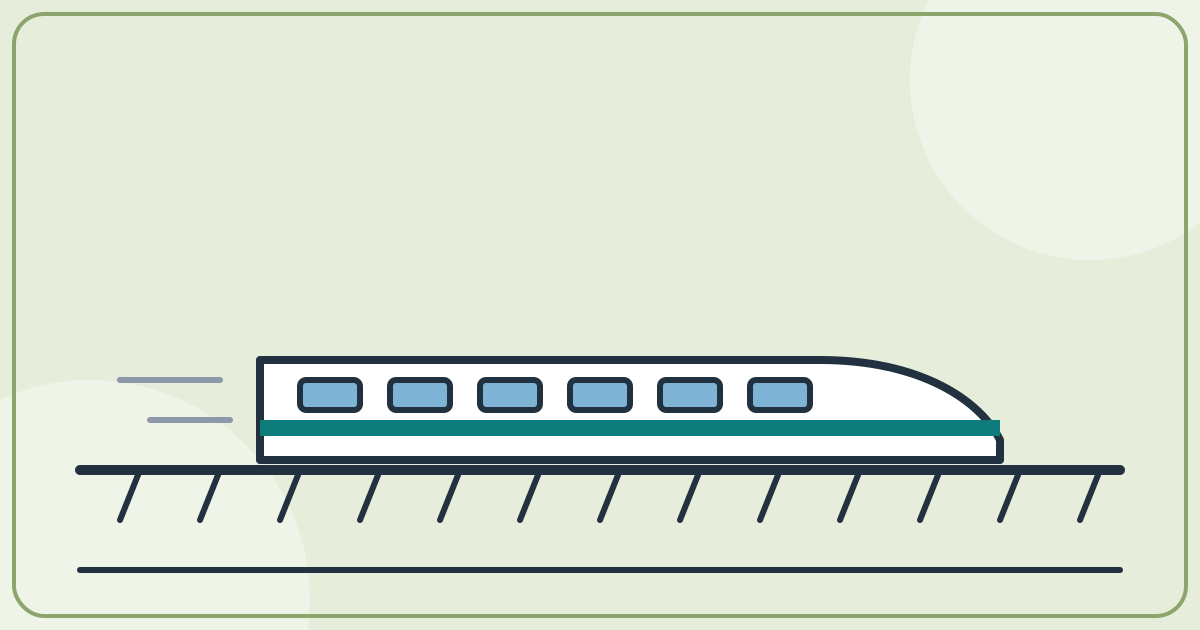
The Shinkansen effect takes its name from the Japanese word for the bullet train. It is a way of managing and resolving any kind of crisis, whether it concerns work, personal matters, relationships or the deeper questions of life.

The bullet train is a fitting image. Japan did not get one by making slow trains a little faster. It took a completely different approach. The Shinkansen effect asks the same of us: when something is truly not working, a bold shift often achieves what small tweaks never will.

Why it is hard

Applying it is not easy. It calls for a change of mindset in which you must embrace change, and most of us resist change even when we know we need it.

How to apply it

  • Identify one area of your life that needs improvement.
  • Examine the problem closely, and work out which habits you must change to reach the result you want.
  • Talk to someone who has been through a similar situation. Seeing how they overcame it may inspire you.
  • Seek the support of family and friends. It matters to have people around you who encourage you to change for the better.

A kind of new beginning

This is how radical change becomes possible. Ideally, you leave behind whatever drags you down and experience a kind of rebirth, which opens the way to the life you have always wanted.

Not every problem needs this approach. Many are solved by small, steady steps. But when you notice yourself making the same small adjustments again and again with nothing really changing, it may be time to stop tuning the old train and imagine a new track altogether.

Life Lessons

Seeing And Owning Your Mistakes

Seeing And Owning Your Mistakes

It is easy to spot other people's flaws and hard to admit our own. Three habits help you recognise your mistakes and grow from them.

Seeing And Owning Your Mistakes

One of the hardest truths to accept is our own imperfection. Most of us find it easy to point out other people’s flaws, yet the moment someone mentions ours, we turn defensive. If you find it hard to recognise and accept your own mistakes, try these three approaches.

Keep an open mind

A closed mind can hide your faults from you completely, because it persuades you that your beliefs are all correct and that whatever lies beyond your principles must be mistaken. In that case, the mistake itself may be insisting that you alone are right and everyone else is wrong.

Welcome constructive criticism

Do not get hurt or angry when someone gives you negative feedback. Instead of brushing it off, treat it as constructive criticism. Weigh whether the comments are true. If they hold true, have the humility to admit that a change is due.

Review your words and actions

Another way to spot your mistakes is to look back at your actions, words and decisions. The best method is to imagine yourself on the receiving end of them. If someone says you have hurt them, put yourself in their place and try to feel what your action felt like to them.

Why it matters

Recognising a mistake is not the same as punishing yourself for it. It is simply the first step to doing better. People who can say “I got that wrong” tend to grow faster, keep friendships longer and earn more trust, because others know they will be dealt with honestly. Owning your mistakes is a strength, not a weakness.

Mind & Habits

Why Bad Habits Are So Hard To Drop

Why Bad Habits Are So Hard To Drop

We all keep habits we know are bad for us. Understanding the comfort they give, and the crowd that excuses them, is the first step to breaking free.

Why Bad Habits Are So Hard To Drop

We all indulge in things we know are not good for us. There are a couple of reasons we keep doing them anyway, and understanding them makes change far easier.

They give us comfort

The first reason is our need for comfort, and our readiness to do whatever delivers it. Everything we do serves some purpose, whether or not we notice it, and comfort is the purpose hiding behind most of it.

The brain is built to chase reward, and for most of us the reward is that feeling of comfort. It triggers the release of dopamine, the feel-good chemical. That makes us crave more of it, and we start linking the good feeling with the habit itself.

This is why bad habits are so hard to stop. They feel comfortable, a kind of safe zone. We are drawn to the reward even while knowing the habit harms us. A cigarette on a work break gets linked in the brain with freedom from work. A drink gets linked with relaxing and letting go after a hard week.

Meanwhile, the idea of exercising, or making any kind of effort, loses out to the far easier idea of settling on the sofa watching a favourite programme. You can see how tightly a habit is tied to its reward.

Everyone else seems to do it

The second reason is that we excuse our bad behaviour when society as a whole seems to accept it. If huge numbers of people are doing the same thing, surely it must be fine for us too. Socially accepted bad habits are everywhere: snacking, skipping exercise, even smoking. We like to follow the crowd.

Using this knowledge

Once you see the mechanism, you can work with it. Ask what comfort a habit is giving you, and look for a healthier way to get the same feeling. Notice when “everyone does it” is doing your thinking for you. A habit loses much of its power once you understand what it is really offering.