Rigid, Fluid Or Flexible Mind?

Everyone thinks differently, yet some broad patterns appear. One useful way to look at them is three kinds of mind: rigid, fluid and flexible.

Everyone is different, and everyone thinks and behaves differently. Even so, people can be loosely grouped by the way they think.
The word “mind” covers everything that goes on in our heads: thought, awareness, perception, beliefs, desires and sensations. It is where conscious, unconscious and practical processes take place, and it shows itself in our ideas, our actions and all the other signs of brain activity. These processes have structure, but that does not make them fixed. Almost everything in the brain can change. Based on how these processes tend to run, some thinkers describe three kinds of mind: rigid, fluid and flexible. Each has its own traits.
Rigid minds
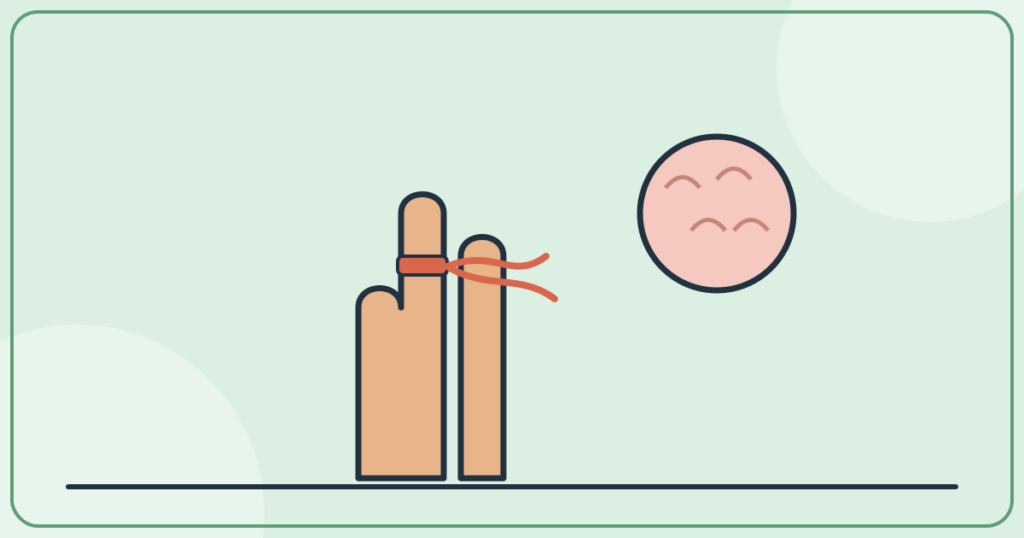
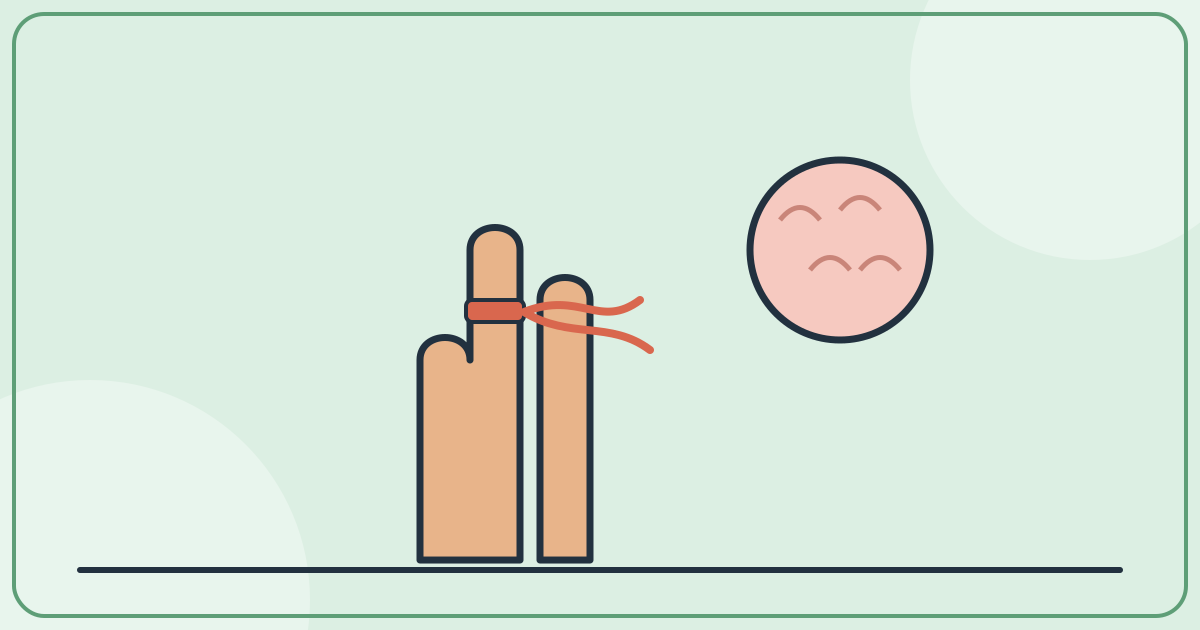
Upbringing and education shape the mind more than anything else, so it is common for rigid thinkers to have been raised by rigid parents. Rigidity is at heart a form of self-protection. Fixed ideas give a sense of control and shield a person from uncertainty. People with this trait do well in work and activities that call for discipline. On the other hand, rigid thinkers can be a little shallow. They seldom stop to question whether an idea or an action really holds up. They expect everything to happen in an orderly, set way. That makes creativity very hard for them, and they tend to repeat themselves.
Fluid minds
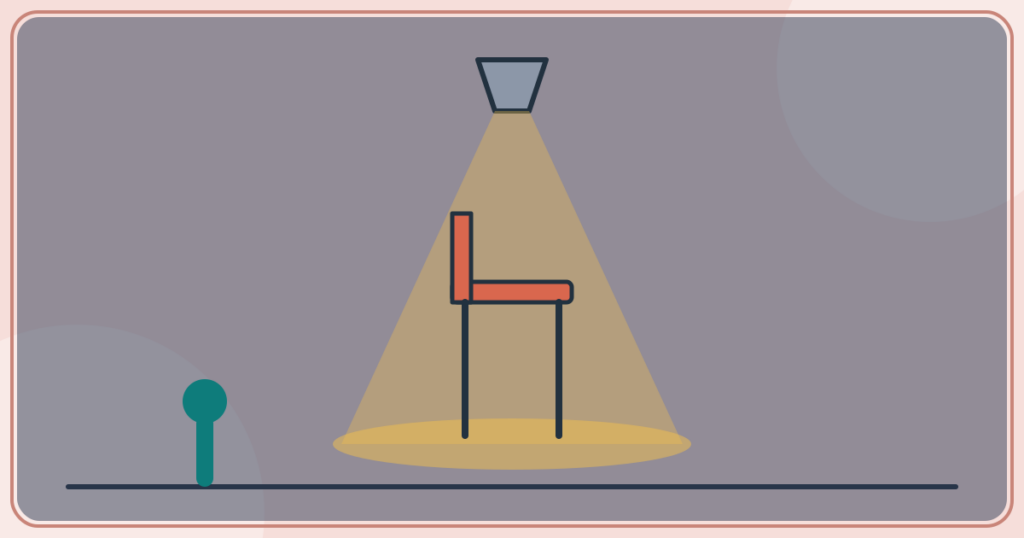
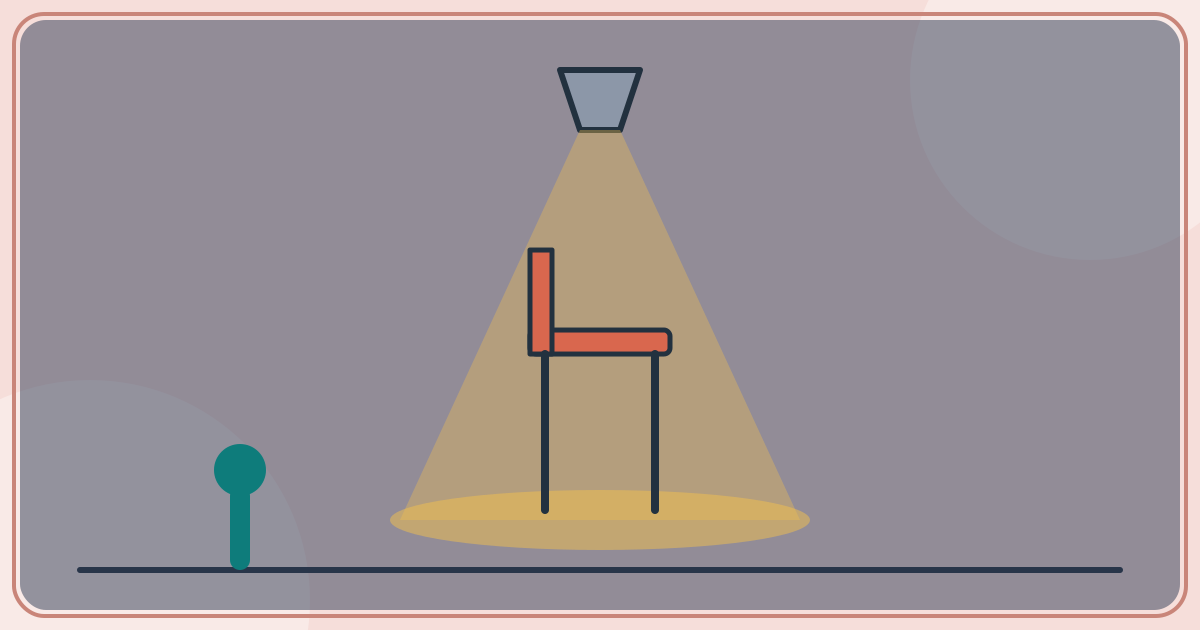
Fluid minds are the opposite. They struggle to stay consistent, so they simply adapt to whatever is going on around them, taking the shape of whatever container they are in. This is typical of people who have given up any sense of control over their circumstances, or who feel they need someone to steer them. They find it hard to make decisions and harder still to take a stand. Not knowing what to think, they hand the job to others who seem to have the certainty they lack.
Flexible minds
Flexible minds adapt too, but not by passively accepting whatever happens. Their adapting is thoughtful and creative. They know how to find their place in reality without forcing their will on others, and without meekly giving in to others either. They are open to discussion, which means they can change their opinions and adjust their ideas. In a way, it is a humble mind. It does not believe it owns the truth, yet it does not give way to nonsense or error, because it has its own standards.
Worth remembering
Nobody has purely one kind of mind. We all carry a little of each, though one usually dominates. Nor is any of them simply a “bad” mind or a “good” one. Knowing the basics simply helps you understand yourself and others a little better.