Tag: Everyone

Relationships

Why Listening Matters So Much
Why Listening Matters So Much

Most of us are poor listeners most of the time, and nobody ever taught us otherwise. Here is why listening is worth learning, and what it gives to others.
Why Listening Matters So Much

Listening is a craft, every bit as much as speaking. People who listen well tend to be well liked, and their friends seek them out.

How well do you listen? You may be one of the good ones, but the odds say otherwise. We like to think we pay attention, yet most of us, most of the time, listen badly. The reasons are easy to see. What is harder to understand is why we put up with it.

Why we do not listen

For one thing, listening takes real effort. Studies suggest the mind cannot truly do two things at once, so attention to the speaker competes with everything else clamouring for attention, including rehearsing our own reply. For another, our culture quietly lets us off the hook. Schools teach public speaking, not listening. Job adverts never ask for it. When employers say they want good communicators, they usually mean people who write well, run meetings and present. Real listening asks us to set our own thoughts aside and hand over control of the conversation.

So most of us listen poorly. Why should that matter? Here are three reasons.

Listening is a form of love

If you want someone to feel cared for, to feel they belong, that they matter and that they are accepted, giving them your undivided attention may be the most reliable way to do it.

Listening is how we learn

While you listen, there is every chance you will pick up something new. While you talk, there is almost none. And when you are talking, whose needs are you really meeting? Usually your own.

Listening builds trust

When you truly listen, you put your ego to one side, and that sends a clear message: this moment is about you. It tells the other person you mean to do right by them.
Mind & Habits

Break Out Of Your Jug

Break Out Of Your Jug

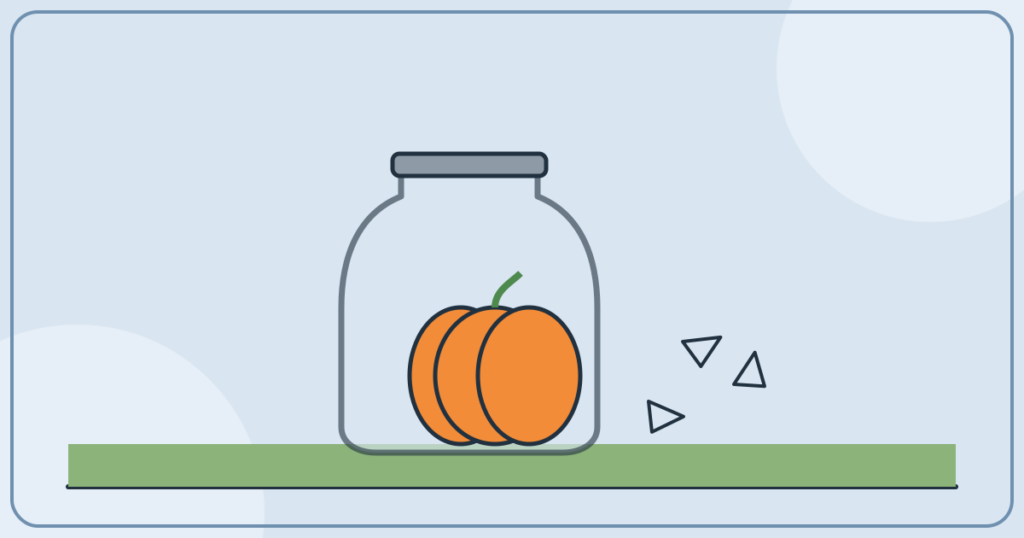
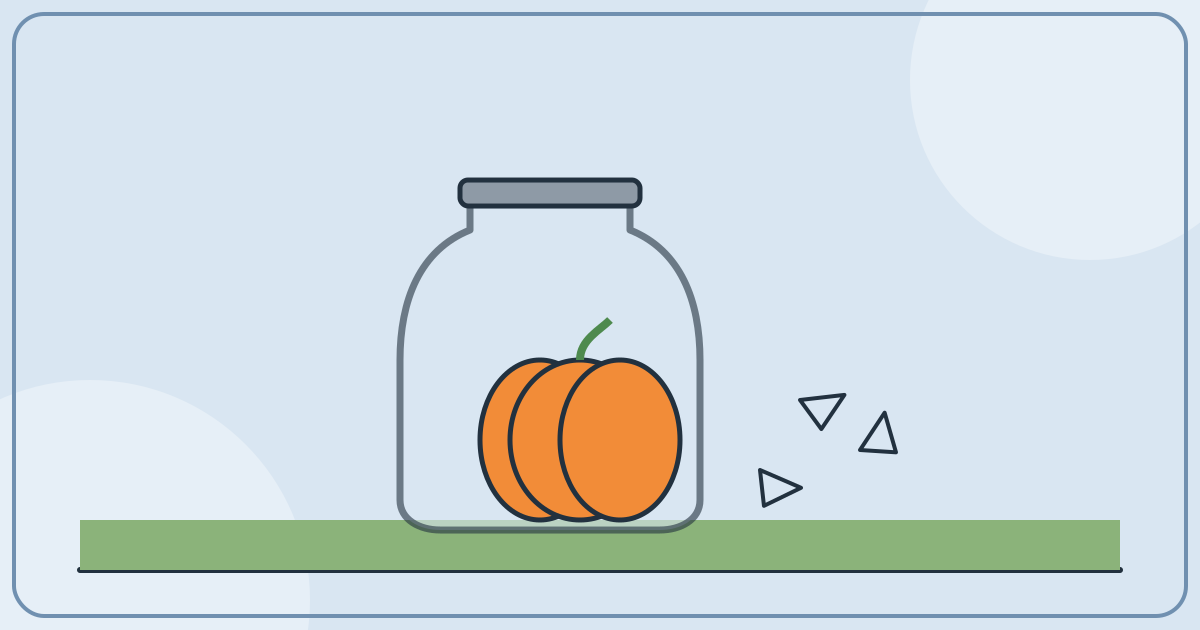
A pumpkin grown inside a jug can only grow as big as the jug. Limiting beliefs work the same way, protecting us at first and holding us back later.

Break Out Of Your Jug

A farmer finds a pumpkin that has only just started to grow. To protect it from the weather, he slips it inside a jug, then carries on with his work and the pumpkin slips his mind. By harvest, the pumpkin has grown only as large as the jug. The very thing that once protected it ended up limiting its growth.

The beliefs that become our jug

Many people are in the same position as that pumpkin. Looking for protection, they take on sheltering beliefs about who they are, what they can do and what they can become. For a while those beliefs give comfort and safety. But beliefs, especially limiting ones, soon outlive their usefulness. Limiting beliefs form a jug. It is a person’s own assumptions that limit his or her potential.

Life inside the comfort zone

Being inside the jug is really being in our comfort zone. How we see things takes no effort at all, because we are running on autopilot. It is telling that we call it a comfort zone. The only comfortable thing about it is that everything is familiar. It looks like a safe place to rest, but life is always moving on. So while we stay inside our jugs, we are actually growing in the wrong direction. As one writer on the subject put it, when we stay there, we essentially begin to rot.

Comfort that costs us

The jug may feel more comfortable in the moment, but its effects are anything but. It is like junk food: we enjoy the first few bites, but that comfort food often leaves us with results we do not want. When we stay inside our jug, we trade the fear of stretching into the unknown for the comfort of stagnating in our old default patterns. When we stretch towards something that inspires us, on the other hand, we feel alive and empowered, gain a fresh perspective and move towards greater joy and success.

Change the belief, not just the action

Many people try to change by taking action without changing their beliefs. That is when we feel we are doing everything we can yet see no results. The old beliefs keep reasserting themselves, and we end up building a variation of the same limiting pattern despite all our effort. Breaking the jug means questioning the belief itself.

Mind & Habits

Curiosity Is A Key To Happiness

Curiosity Is A Key To Happiness

Most of us say we want to be happy. One of the most overlooked keys to happiness is the simple urge to know more, and it can be grown.

Curiosity Is A Key To Happiness

Ask most people what they want above all, and they will say happiness. Yet if you are willing to rethink how you go about it, one of the most overlooked keys to happiness is cultivating your natural sense of curiosity. Curiosity, the state of really wanting to know more about something, creates openness to unfamiliar experiences. That lays the ground for more chances to discover, to enjoy and to be delighted. Here is how an inquiring mind can help you live a happier life.

Why curiosity matters

Psychologists see curiosity as a life force, vital to happiness, intellectual growth and wellbeing. It is linked with other abilities such as sociability, resilience, self-awareness, integrity, resourcefulness, creativity and empathy. At its heart, curiosity is about seizing the pleasures that new experiences offer and finding meaning even in familiar ones. When we are curious, we see things differently and use our powers of observation more fully. We feel more engaged and better able to take up opportunities, all of which make for a satisfying life. It all starts with wanting to know more. The biggest advantage of curiosity is its power to drive learning in areas of life and work that matter to the learner.

Health

In one study published in the journal Psychology and Aging, more than 1,000 adults aged 60 to 86 were followed over five years. Those rated as more curious at the start were more likely to be alive at the end, even after allowing for age, smoking, heart disease and similar factors. There are also promising signs that greater curiosity lowers the risk of such illnesses and may even slow some of the natural decline that comes with age. Studies suggest that older women who regularly take on small puzzles and new experiences that break their routine keep their mental abilities better in later life.

Intelligence

Curiosity is also linked to learning and intelligence. The clipping continues this thought on another page, which we do not have, but the point is clear: a curious mind keeps learning.

A daily curiosity practice

  • On waking, look with fresh eyes. Choose to notice things in your home, your partner or your family that you may have overlooked.
  • When talking, try to stay open to whatever comes up, without judging or reacting. Ask questions and listen carefully.
  • When driving, instead of switching off on your daily commute, try to anticipate what the drivers around you will do next. Stay aware.
  • When working, look for ways to do things that turn out really well. Ask yourself what is interesting about the task and how you could make it more enjoyable.

Encouraging curiosity in students

  • Value and reward curiosity.
  • Let them tinker, fiddle and play.
  • Teach them to be sceptics, with the habit of asking questions.
  • Let them explore a variety of cultures and societies.
  • Encourage curiosity at home too.
Relationships

Getting On With Other People

Getting On With Other People

If too many of your relationships feel difficult, do not despair. A few simple habits help you work through the friction and build real friendships.

Getting On With Other People

Keeping good relationships with other people is something everyone struggles with. The mind seems to find countless reasons why getting on with others is hard. If you find yourself with many difficult relationships, do not despair. Work through the problems and learn the art of building real friendships. These are some of the simplest ways to get on better with people.

Smile

A smile offers goodwill to the other person. A sincere smile can say more than a hundred words. It tells the other person you are happy to see them, and it is the best way to begin any conversation. A gloomy face, on the other hand, signals that you are not happy to be speaking with them. We can smile at everyone, not only the people we like. If we can smile even at those we count as enemies, we may be surprised by how much our dealings with them improve.

Appreciate good qualities

This is a powerful way to help any relationship. We tend to be drawn to the negative. When we appreciate the good qualities of others, we do two things. First, we make the other person feel better, which encourages and inspires them to bring more of those qualities forward. Sincere appreciation boosts their confidence, and they will value our kind words. Second, it helps us too. It is usually people’s mistakes and wrongdoings that stick in our minds. When we make the effort to notice their good points, we build a more positive picture of them, and we become more tolerant of their irritating habits.

Do not hold grudges

This is one of the most important factors, and perhaps the hardest. At some point in a relationship, something always happens that makes it difficult to forget and forgive. Letting go of grudges is essential for healthy relationships. If we cling to a long-standing grievance, we only make ourselves miserable.

Talk

When problems come up, it is important to talk in a positive way. If we keep up a frosty silence, we just brood on the problem, and the mind can easily blow it out of proportion. Avoid raising the issue in a confrontational way. It is better simply to start a normal conversation and find topics of shared interest. Sometimes sharing a joke or enjoying something together is enough for the problem to fade away on its own.

Give without keeping score

When we expect other people to behave in a certain way, we put avoidable strain on the relationship. The expectation may not be spoken, but we often quietly expect others to treat us a certain way. In any relationship, it helps to give freely: do the right thing without expecting a reward or anything in return. A relationship built on that principle is much stronger, and even when people let us down, we will not let it make us miserable.

Life Lessons

An Enlightened Life Is A Simple One

An Enlightened Life Is A Simple One

Enlightenment is not a feat reserved for a few. It is found in daily actions and deeds: living simply, finding peace, enjoying life and showing gratitude.

An Enlightened Life Is A Simple One

Enlightenment is built a little each day, out of what you do and how you treat others.

Whatever you choose to change should come from you, fitted to your own hopes and your own situation. Life stays simple when you simply live it; it turns complicated when you make it so. Aim to live well on less.

Let life flow

Life moves on whether you welcome it or resist it, so throw yourself into each moment. Like a river, it keeps running until it reaches its end. It never stands still, and along its course you will meet change, setbacks and obstacles.

We were meant to live at an easy pace: eat modestly, rest, work, and share the world with animals, trees and the rest of nature. That is not how things turned out. What was simple has grown tangled. We pour energy into things of no real use, crave what we could easily do without, and then go hunting for enlightenment.

No grand feats needed

There is no need for heroic effort. Enlightenment is really just your own contentment, the quiet satisfaction you feel in whatever you do. Others help bring it about, but you are the one who matters most, through kind acts that express your thankfulness. Here is the path.

Find peace within

Perhaps your work, your home, your money, your partner or your children leave you dissatisfied, along with plenty else. That stirs up inner turmoil and keeps the calm you want out of reach. Turning things around is hard, so either work steadily to shape them as you wish or, often wiser still, make peace with them as they are. Look for calm inside yourself.

Relax and enjoy

The world can be frantic. Step back now and then and simply enjoy life. Go to the places you love and, better still, spend time with people and lend them a hand, so your visits become something they look forward to. Feeling loved is wonderful, and it comes when your thoughts turn towards others and you step out of your own shell. Put the self-centred “me” well behind you.

Show gratitude

Thankfulness matters more than anything else on this path. Offer it to everyone you meet, from the people who help in your home to the lad who delivers the paper to your own parents. It keeps you humble and lifts off the shallow airs we drag around and feel weighed down by.

Build self-confidence

Confidence is visible in your work, your talk, your outlook and your deeds, and greater confidence brings greater achievement. Knowing clearly what you want gives life direction and meaning, and gives you the strength and courage to pursue it while seeing things in a calmer, more reasoned light.

Relationships

How To Accept A Compliment

How To Accept A Compliment

Most people love to be noticed, yet few know how to receive praise well. Brushing it off hurts the giver more than you might think.

How To Accept A Compliment

Most people love to be noticed, but few know how to accept a compliment gracefully.

Do you wave away praise with “it was nothing” or “no big deal” the moment it arrives? Plenty of people find praise awkward to receive. Here is a guide to receiving kind words with grace.

Think about how it feels

How do you feel when you compliment someone and they shrug it off? It may make you sad that they do not see their own worth, or even a little annoyed, as if they do not trust what you said. Either way, it does not feel good. That is exactly what you do to someone else when you brush off their praise. The last thing you want is to make the person sorry they complimented you. Gratitude is the only fitting way to acknowledge someone’s kind words.

Smile

It often happens without thinking, but the first thing to do when someone compliments you is to smile. It does not matter whether it is a shy little grin or a big beam, as long as the corners of your mouth turn up. A compliment tells someone they did well, and it is also meant to brighten their day.

Say thank you

Once you are smiling, stop yourself from playing down what you did or scolding yourself for not doing better, and simply say thank you. Those two words are enough to let the other person know you value their kindness. Make sure your response is sincere and honest, just like their compliment.

Accept a toast with grace

When someone raises a glass to you, the proper response is to nod and smile. Do not pick up your own glass and drink with everyone else; that is like patting yourself on the back. After the others have drunk, you are welcome to rise and propose a toast of your own.

Share the credit

If someone compliments you and your team, acknowledge it and say you will pass it on to the people who helped you do the work. That makes everyone feel good.

Believe it

This can be the hardest part, especially if you find praise difficult to accept. People praise you because they mean it, so give their words the same belief they do. You have probably seen talented people who amaze you even though they feel quite ordinary themselves. That may be how others see you as well. Your own opinion may not match theirs, but that does not make them wrong.

Life Lessons

The Gift Of Not Knowing The Future

The Gift Of Not Knowing The Future

We often wish we could see what lies ahead. Not knowing is what keeps us fully present, and it brings out the very qualities we need to grow.

The Gift Of Not Knowing The Future

Being in the dark about tomorrow is exactly what holds us to today, the only place we can give ourselves completely.

Now and then most of us long for a preview of our lives. We wonder what blessings and difficulties the next months or years will hand us, whether a relationship will last, whether our plans will come good. Facing a choice, we wish we could see which path ends well, and some people chase answers from all sorts of sources in the hope of a peek ahead. The most anyone ever gets is a fleeting glimpse.

Why the whole story would be too much

We imagine we would welcome the full script of our lives. In reality, seeing everything in advance would almost certainly leave us drained and swamped.

Look back at the road you have already travelled. Chances are you have achieved more, and endured more, than you once thought possible. Had someone listed for you, as a child, every job and every relationship ahead, with all the highs and lows of each, it would have been crushing. Carrying all that knowledge around, you would have struggled to be present at all, and the present is the only place life ever really takes place.

What uncertainty gives us

Not knowing what comes next calls up the very strengths we need to grow. Reflect honestly on your past and you will find it hard to point to anything that ought to have been erased. Very often the toughest chapters, and the lessons they forced on us, turn out to have brought the richest rewards of all.

Life Lessons

Keep Your Eyes On Your Own Glass

Keep Your Eyes On Your Own Glass

A boy wanted to leave school because of everything wrong he saw there. His principal set him a simple task with a glass of water, and it changed how he saw things.

Keep Your Eyes On Your Own Glass

A boy went to his school principal and told her he would not be coming back to school any more.

“Why not?” she asked.

“I saw one teacher speaking badly about another,” he said. “There is a teacher who cannot read well. The staff are not good. Students look down on each other. So many things are wrong in this school.”

A simple task

“All right,” said the principal. “But before you go, do me one favour. Take a glass filled to the brim with water and walk around the school three times without spilling a single drop. After that, you may leave if you still want to.”

The boy thought this would be easy. He walked around the school three times, exactly as asked, and then reported back to her.

What he did not see

“As you walked around the school,” she asked, “did you see a teacher speaking badly about another teacher?”

“No,” said the boy.

“Did you see any students looking down on others?”

“No.”

“Do you know why?”

“No.”

“Because you were focused on the glass, making sure it did not tip and spill. Life is the same. When our attention is on our priorities, we do not have time to see other people’s mistakes.”

The lesson

Every place has its faults, and every person has their flaws. We can spend our energy cataloguing what others do wrong, or we can put it into carrying our own glass carefully. The second choice leaves us calmer, more productive and far less inclined to walk away. Concentrate on your own priorities, not on other people’s mistakes.

Life Lessons

Listen To Your Inner Child

Listen To Your Inner Child

Think back to playing outside without a care in the world. How much of that child is still with you? More than you might think, and it has lessons to offer.

Listen To Your Inner Child

Take a moment to let your mind travel back to when you were small, playing outside among the leaves and trees without a care in the world. How much of that child is still with you today?

Our inner child never really leaves us. We simply forget about them as we grow older. It is worth tuning in to what that inner child is telling us, because they can help us a great deal on our inner journey.

Do not be afraid to love

Children do not build walls around themselves. They love freely, openly and honestly, with their whole hearts. As we grow up, we go through break-ups, heartache and betrayal, and we start shutting ourselves off from other people. However many times you have been hurt, keep loving others anyway. Unconditional love means loving people whatever they can give you, and whether or not they return your feelings, and children are the best examples of that selfless love. The next time you feel like closing yourself off, think about what your inner child would do. They would want you to keep love alive and give it another chance.

Keep things simple

Life was simple when you were a child. You let your imagination run free and did not worry about tomorrow or yesterday. Why should that change now that you are an adult? It need not. You can still live a fairly simple life by owning less, getting outdoors as much as you can and doing work you love. Your inner child longs for simplicity and wants you to uncomplicate your life so you can enjoy it fully.

Let go of your pain

Turning the page in your own story means releasing what is behind you. Learn from it, forgive everyone who hurt you and move on. When you clear out the negative weight of the past, you make room for good events and good people. You cannot finish your story if you stay stuck on the same page, so find the strength within you to accept your past as a valuable lesson and open your heart to the future.

Make time to play

Children spend most of their time playing, while adults spend most of theirs working. If you never set aside time to let loose and have fun, life soon becomes dull. Try to cut back on a few obligations so you can enjoy life while you have it. Contrary to what many believe, you were not put here just to pay bills and taxes. You deserve to enjoy life for all it is worth, so get outside and play hide and seek once in a while. It will do your heart good.

See beauty the way a child does

Children do not instinctively know what ugly means, because there is no ugliness in their hearts. They do not see it in themselves or in the world around them, because they arrive knowing only love and beauty. Stand before a mirror and remind yourself that you are beautiful; repeat it often enough and you will begin to believe it, and then to see it. Let your inner child show you the world through their eyes, free of prejudice, self-hate and negative labels.

Relationships

When Someone Is Hooked On Negativity

When Someone Is Hooked On Negativity

Some people cannot see the bright side, and their gloom affects everyone near them. Understanding the pattern makes them easier to deal with.

When Someone Is Hooked On Negativity

Most of us know someone who always seems to see things from the darkest angle. You may not be able to say why, but whenever you are near them your mood shifts, and you might even feel an urge to get away. That is probably because you have met someone who is addicted to negativity. Some people simply cannot see the bright side, and it affects the people around them too.

They worry about trifles

People hooked on negativity tend to make a mountain out of a molehill. A cracked plate becomes a major drama. A couple of hours later, they will have swapped that drama for a new one. Instead of enjoying ordinary days, they brood about the future, which only makes them gloomier.

They overlook the good

It does not matter whether they have just had a great day at work, received a gift or heard some good news. They fix their attention only on what they dislike about their lives and completely miss the good moments they experience. Because they ignore the positives, they are hardly aware those positives exist. When they think things over, they reach a conclusion that fits their view of the world: that they are deeply unlucky, or that their lives are worth little.

They avoid risks

They care far too much about what others think of them. A single unkind remark can shake them badly. Because they build their view of themselves on other people’s opinions, they lack objectivity, which leaves them very insecure and dependent on others.

Handling them with patience

Their behaviour can be hard to cope with, and at times almost unbearable. We need a good deal of patience, and a real effort to understand why they act this way. More often than not, their behaviour comes from a string of bad experiences. What they need most is for someone to understand them.