Tag: Kids

Life Lessons

Feel Happy For No Reason

Feel Happy For No Reason

We chase money, better jobs and more things, believing they will make us happy. Happiness, it turns out, is largely a matter of choice.

Feel Happy For No Reason

We tend to believe that the material world is what makes us happy. So we keep chasing money, high paying jobs, a bigger house and more things. But happiness is mostly a matter of choice, and there are simple ways to choose it.

Be joyful

To be the master of your mind, keep the negative out and let the positive in. Train your thinking so that it takes note of every happy thought and leaves no room for the gloomy ones. This does not mean pretending that problems do not exist. It means deciding which thoughts get to stay and settle.

Let love guide your way

Love does not have to be kept only for your family or your partner. You can share it with anyone, by helping strangers in trouble and being kind to them. You will overflow with good feeling when you go out of your way to help someone.

Turn inward

The quickest route to feeling happy for no particular reason is to connect with your inner self and find peace from within. Stepping back a little from outside things while staying aware of yourself works wonders.

Put together, the message is a gentle one. Happiness is not a prize at the end of a long chase. It is a habit of the mind, a kindness passed to others and a quiet place within that you can return to at any time.

Relationships

Celebrate The Life You Have

Celebrate The Life You Have

The flowers have bloomed, the birds are singing and you are alive and aware. That is already enough reason to celebrate. Here is how to make celebration a daily habit.

Celebrate The Life You Have

There is already plenty to celebrate. The flowers are in bloom, the birds are singing, the sun is up. You are breathing, you are alive, you are aware. Celebrate that.

Happiness lives inside us, and we have to get in touch with it to know what being happy really means. No amount of money, possessions or worldly success can bring happiness the way that inner source can.

Where celebration comes from

All of life invites you into a close relationship with it: the trees, the grass, the animals and every person you meet. Celebrating life does not come from the reasoning mind. It springs from the wonder of life itself, from sensing a power that keeps creating something new where nothing was before. It honours the marvels of the earth and the sky, and the joy that rises in your heart when your own child is born. To keep celebrating, try these.

Nurture the people around you

Make sure the people who matter most to you always know they are valued, appreciated and needed. Not only when we carefully pick a birthday card full of good wishes and thanks, but every single day, by telling them how lucky we feel to have them.

Be present in the moment

Life keeps asking you to respond, to engage, to be in a relationship with it. It reaches out and calls you to show up. Fear shuts off your ability to hear that call, and guarding yourself stops you reaching out to others. Yet other people keep reaching out to you all the time, ready to help and guide you.

Treat yourself and others

A treat means different things to different people: an ice cream, a massage, a walk in nature, a new pair of shoes. A job well done feels celebrated when it is rewarded. Simply being alive and trying your best deserves celebrating, and so do special days like a birthday or a big event. You deserve to celebrate yourself. Treats are also nice just because. A gift for no reason makes us feel special, so why not pass that feeling on to someone else?

Surround yourself with happiness

Listening to or playing uplifting music is one of the easiest ways to lift the mood around you. Open your eyes to the small details and savour what you see. Find beauty on a path you had stopped noticing. Enjoy the little things happening around you, because happiness depends less on how much we have than on how much we enjoy it. You do not need some grand act to change the world. You can start one step at a time, transforming the smallest corners of your own life or someone else’s.

Say yes to life

What better way to celebrate life than to live it? Saying yes to invitations lets us move with the flow of life and discover more of what it has to offer. Say yes to the things you have always wanted to do and the places you have always wanted to go. A yes often brings opportunities, wonderful new people and inspiring experiences. When you are unsure whether you should, say yes. Either way you will learn something, and you will create more moments worth celebrating.

Relationships

The Art Of Praising Well

The Art Of Praising Well

Praise is one of the most powerful things one person can give another. Given badly, it falls flat or even hurts. Here is how to do it well.

The Art Of Praising Well

Praise is among the most powerful gifts one person can offer another. A compliment brings warm feelings both to the person who receives it and to the one who gives it. Everyone needs to know how to give praise and how to take it. A few pointers make all the difference.

Mean what you say

People can nearly always tell when a compliment is hollow. When you truly mean it, they are far more likely to believe you and to feel good about what you said.

Do not let it look like a set up

This can happen without your noticing, so watch for it, because people will judge you on it. Never praise someone and ask a favour in the same conversation. The praise starts to look like bait, and your good intent is lost.

Be respectful

Make sure your words cannot hurt, even when you mean them kindly. Praise built around someone’s race or their looks is risky ground. And if your compliment needs a “but” or a qualifier attached, it is probably better left unsaid.

Keep the spotlight on them

Do not turn someone else’s compliment into a story about you. Saying “You did such a good job last week, I could never have managed that, I am hopeless at it” makes you sound self absorbed, as if you praised them only to steer the talk back to yourself.

Praise people when they are not in the room

Criticising someone behind their back is common. Praising them behind their back is rare. The reverse would serve us better, because praise passed on through others is seen as more sincere and genuine than praise delivered face to face.

Praise what they can control

Point your compliment at things within the person’s control, such as their character, their efforts and what they have achieved. This helps them feel secure in the feedback, instead of worrying that they might lose the very thing others admire in them.

Life Lessons

What Adversity Teaches All Of Us

What Adversity Teaches All Of Us

Hard times strip away the masks we wear. Underneath, we all suffer, hope and need each other. Here is what adversity quietly teaches anyone who goes through it.

What Adversity Teaches All Of Us

Hard times show us something we easily forget. Under the outward show each of us puts on, we are made of the same stuff. Every one of us hurts, cries and hopes, and every one of us has to lean on others for support and strength.

It teaches humility

Adversity reminds us that we are only human. We are not in charge of everything, and we cannot manage it all on our own.

It teaches perseverance

In a crisis, the choices shrink to two. You can give up, or you can keep going. There is not much else to decide, because life has been pared down to its most basic question of carrying on or not.

In the middle of such dark days we may have no idea where we are headed or what tomorrow holds. All we know is that if we get through today, we will reach tomorrow, and that is how it goes, one day after another.

It shows us who we really are

Whether we are the ones suffering, the ones helping or the ones looking on, adversity shows each of us that we are not as unbeatable as we believed. We are not always in control. Yet in ways we never expected, we turn out to be stronger than we ever knew.

Three gifts it leaves behind

  • Strength is often found in weakness, and when we have lost everything we sometimes discover more than we ever had.
  • Life itself becomes dearer. Our own life and the lives of others start to feel far more precious.
  • Gratitude takes root. Whether we have much or little, we stop taking anything for granted.

The promise on the far side

Nobody can promise that hard times will pass us by. But if they come, we can trust this: we will climb out of the wreckage of a broken life carrying a strength that was hammered out in fire, and we will not be the same person again.

Life Lessons

Step Aside From What Is Not Worth It

Step Aside From What Is Not Worth It

A freshly bathed elephant stepped aside for a mud-covered pig, and the pig boasted about it. The elephant's reason holds a lesson for all of us.

Step Aside From What Is Not Worth It

After a bath in the river, an elephant was making its way along the road. As it came near a bridge, it saw a pig heading towards it from the other side, covered from snout to tail in mud. Without a word, the elephant moved to one side, let the grimy pig go by, and then carried on with its journey.

The pig’s boast

Later, the pig bragged to its friends. “Look how mighty I am,” it said. “Even the elephant was scared of me and stepped aside to let me through.”

When the other elephants heard this, they asked their friend why it had given way. Was it fear?

The elephant’s answer

The elephant smiled. “I could easily have crushed that pig under my foot,” it said. “But I was clean, and the pig was filthy. Had I stepped on it, my own foot would have been covered in dirt. I wanted to avoid that, so I simply moved aside.”

The lesson

People who have grown wise keep their distance from negativity. They do not do this because they are afraid. They do it because they want to stay clear of what would soil them, even though they are strong enough to overpower it.

You do not have to respond to every opinion, every remark or every situation that comes your way. Let the drama pass and keep moving forward. Pick your battles with care. Not everything is worth your time and attention, and walking past something is often the strongest choice you can make.

Mind & Habits

Three Quiet Cures For Loneliness

Three Quiet Cures For Loneliness

Loneliness can be eased, and sometimes lifted altogether. The secret is to stop circling the feeling and give your mind something better to do.

Three Quiet Cures For Loneliness

Feeling lonely is not a life sentence. It is possible to soften it, and sometimes to shake it off completely. The key is to stop turning the problem over and over, and to fill your mind with activities that draw your attention elsewhere. Here are three simple ways to begin.

Stay busy and get out

When loneliness settles in, resist the urge to sit and dwell on it. Get up and go somewhere with plenty of people around. It does not matter if you know none of them. Simply being among others can lift your mood more than you expect.

Reach out to someone else who is lonely

You are far from the only one. Many people feel exactly as you do and have no idea how to cope with it. If you seek them out and make an effort to ease their loneliness, you will find in the end that you have eased your own as well. Kindness travels in both directions.

Change the pattern of your thoughts

Notice what you are feeding your mind. If your evenings are filled with films that leave you reaching for tissues, it may be time for a change. Try listening to music that lifts you, reading poems or other writing that inspires you, and watching programmes that leave you feeling lighter. Each of these helps to break the cycle of heavy, negative thinking.

These are only a few of the ways to loosen loneliness’s grip. The common thread is simple: move your body, turn towards others, and choose what fills your mind.

Mind & Habits

The Holes A Temper Leaves Behind

The Holes A Temper Leaves Behind

A boy with a fierce temper was given a bag of nails and a fence. What he learnt from pulling them out again is a lesson for every age.

The Holes A Temper Leaves Behind

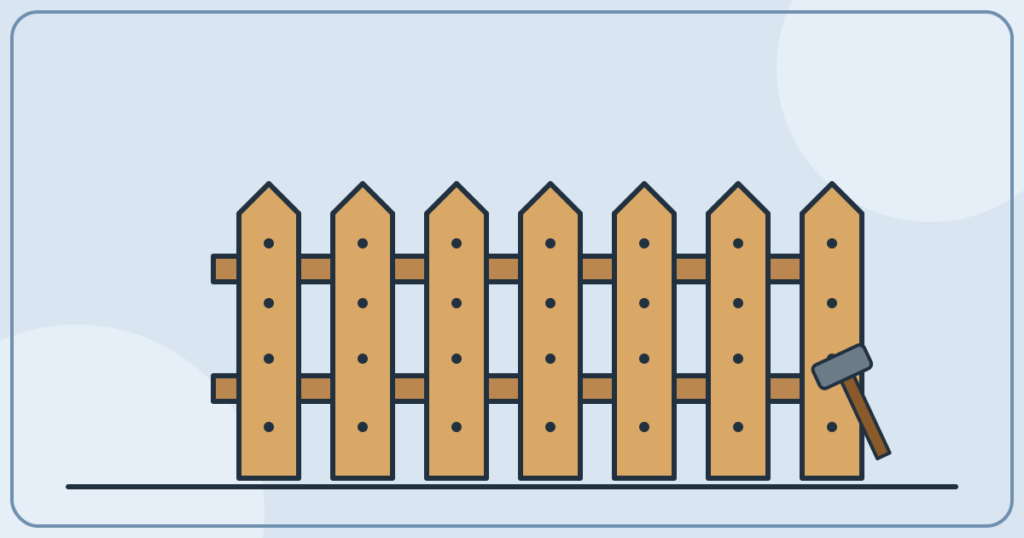
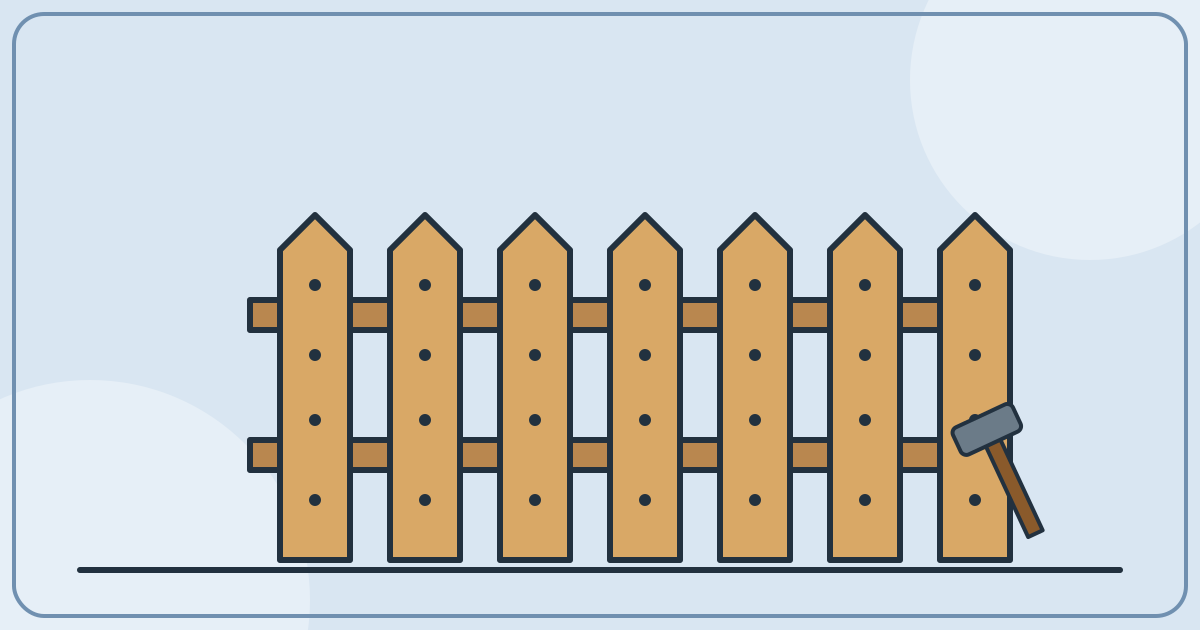
There was once a young boy whose temper flared at the smallest thing. His father handed him a bag of nails and made a simple rule: whenever his anger got the better of him, the boy was to go out and drive one nail into the back fence.

Thirty seven nails in a day

By the end of that first day, thirty seven nails had gone into the wood. Over the weeks that followed, something shifted. Slowly he learnt to hold himself back, and the number of nails going into the fence dropped day by day. He found that keeping his temper was actually less work than walking out with the hammer every time.

At last there came a day when he did not lose his temper even once. Proudly, he told his father. The father then set a new task: for every day the boy managed to keep his temper, he could pull one nail back out.

The fence is never the same

Days went by, and finally the boy was able to report that every nail was gone. His father took his hand and led him out to look at the wood.

“Well done, son,” he said, “but look closely at these holes. This fence will never be quite what it was. Words spoken in anger leave marks exactly like these. You can push a knife into a person and pull it out again, but however many times you apologise, the wound remains.”

What the story asks of us

Apologies matter, and they should always be offered. Yet they do not undo what was said. The wiser course is to catch the words before they leave your mouth.

  • Keep your anger in check, especially when a moment feels heated.
  • Do not say things in that heat which you may be sorry for later.
  • Remember that some things, once said, can never be taken back.

Every time you hold your tongue, you are pulling a nail out before it ever goes in.

Life Lessons

What Happens Inside The Chrysalis

What Happens Inside The Chrysalis

Silence can look like nothing is happening. The caterpillar's quiet weeks inside the chrysalis suggest the opposite: stillness is where the deepest change happens.

What Happens Inside The Chrysalis

Some people believe that when we are silent, nothing is happening: no movement, no engagement, no progress. The life of a butterfly offers a useful comparison.

The hungry caterpillar

Scientists who have studied the caterpillar’s journey to butterfly say the two seem almost like entirely different species. The caterpillar is a voracious eater, feeding almost continuously, day and night. It eats several times its own weight in food. It grows so fast that people watching it closely can literally see it get bigger during the ten days or so that it spends as a caterpillar.

The delicate butterfly

The butterfly, by contrast, is a very choosy feeder. It flits from one flower to the next, sipping nectar, a food some cultures have prized above all others. It is a fragile, delicate creature.

The quiet stage in between

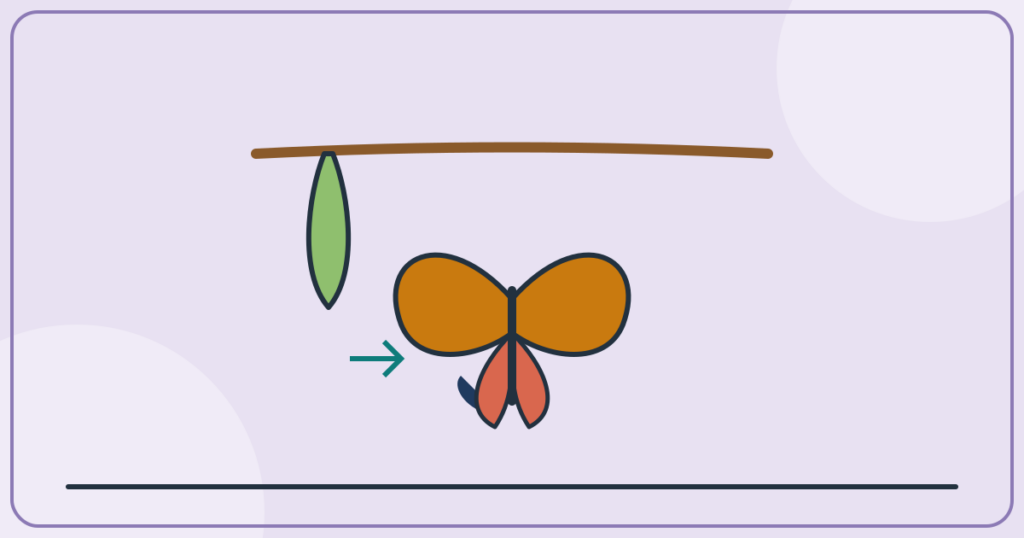
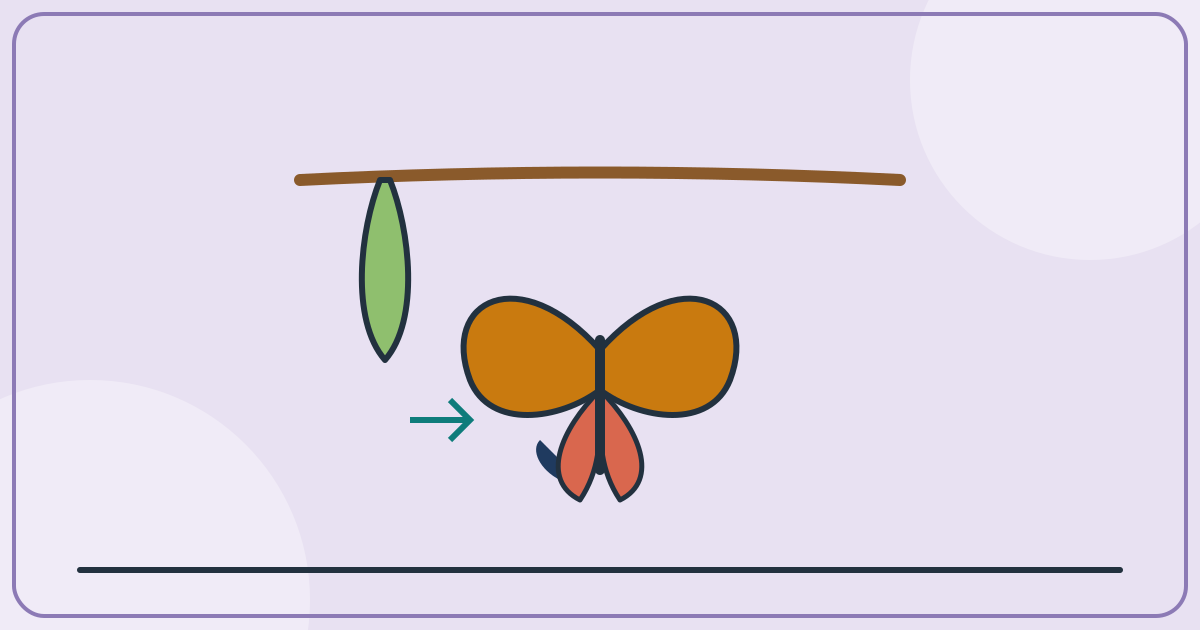
Between the greedy eater and the delicate one lies the pupa, the chrysalis. It is completely still. For the three or four weeks it spends in that stage it does not eat at all and does not move, except perhaps to twitch its tail. Yet inside, the entire organism is being rebuilt into a completely new creature. That is why people once believed caterpillars and butterflies were unrelated animals. We now know it is one and the same creature, remade while it lies silent in its case.

The point for us

The lesson is that during silence, when you turn inward, a transformation takes place. By the time you come out of it, you can be a different person, changed at a deep level. So the next time a quiet period in your life feels like stagnation, consider that it may be your chrysalis stage.

Go through life with dedication and commitment. A life given to a worthwhile cause brings courage, energy, peace and stability.

Mind & Habits

Small Habits For A Better Quality Of Life

Small Habits For A Better Quality Of Life

Most of us want one small change that would bring a little more satisfaction to our days. Seven habits that add up to a noticeably better life.

Small Habits For A Better Quality Of Life

Most of us have something we would like to change: one small thing that might add a touch of contentment, or simply more joy, to each day. We read tips and guidelines on improving life all the time. Here are a few habits that actually help.

Give yourself something to look forward to

When the mind is anticipating something good, we start to feel happy before the event has even happened. You can use that on purpose. At the end of a tiring working day, tell yourself you are going home to watch a programme you enjoy, or picture the family trip you have planned for the weekend. The anticipation pushes negative thoughts aside.

Keep moving

Many people have to sit for most of the day, which does far more harm than we realise. Exercising two or three times a week is vital for physical fitness and mental stability, but it is also important to avoid sitting too long during the day. Make a habit of getting up and walking about for a moment every 45 minutes. Take any excuse you can find.

Make decisions together

In many situations we decide things alone, sometimes rightly and sometimes not. Independence matters, but there is often a better way. When a decision will affect the people around you, it is far better to include them in thinking it through and making the choice.

Keep learning something new

People who keep investing time in learning new things, even in later life, tend to report richer lives and greater happiness. Part of the reason may be that the mind stays busy. It is also likely that the sense of achievement, and the break from negative thoughts that learning offers, both do good.

Set yourself a bedtime alarm

We have endless content at our fingertips: television channels, the internet, games and apps. It tempts us to keep watching one more thing before bed, and we end up sleeping much later than we meant to. Try an alarm that rings not to wake you, but to tell you it is time to go to bed.

Say what you feel

Telling someone you love them strengthens a relationship and adds to your own joy. Adding a specific example of what you love about them makes it far more meaningful. It warms them and lifts their confidence, and when they are happier, you will be too.

Notice the good that is already here

How much did you enjoy your last meal? When did you last stop to smell a flower? How glad are you to go home to your family? Most of us cannot answer, because these are the things we take for granted. For one whole day, try paying attention to these small pleasures. They will light up everything good in your life and quieten the gloomy thoughts that usually take up most of your attention.

Relationships

How To Ask For A Favour Gracefully

How To Ask For A Favour Gracefully

Asking for help makes many of us squirm. It need not. Three simple steps make a favour easier to ask, easier to grant and kinder to refuse.

How To Ask For A Favour Gracefully

“Could you do me a favour?” Does saying that make you uncomfortable? It should not. Asking for help is an ordinary part of life, and doing it well strengthens relationships rather than straining them. Keep three steps in mind.

Set the stage

Whenever you ask for a favour, openly acknowledge that it is a favour, one you will repay, not simply a need of yours that someone else should meet. Make it a two-way exchange. People are far more willing to help someone who clearly values their time and intends to return the kindness.

Give a reason

When you ask someone to do something for you, offer a reason. People respond well to the word “because”. Even when the reason is only loosely connected to the request, they like to understand why they are being asked. A short, honest explanation turns a demand into a request.

Leave them a way out

Your aim is really double: to receive the help you need, while leaving the other person glad they were asked. The surest way to achieve both is to give them an easy, graceful way to say no. Something as simple as “and it is completely fine if you cannot” takes the pressure off. Paradoxically, people who feel free to decline are often more willing to say yes.

Why it matters

A favour asked well builds trust on both sides. The person asked feels respected rather than cornered, and you keep the relationship intact whatever the answer. Next time you need help, you will find it easier to ask, and they will find it easier to give.