Beware A Poor Credit Score
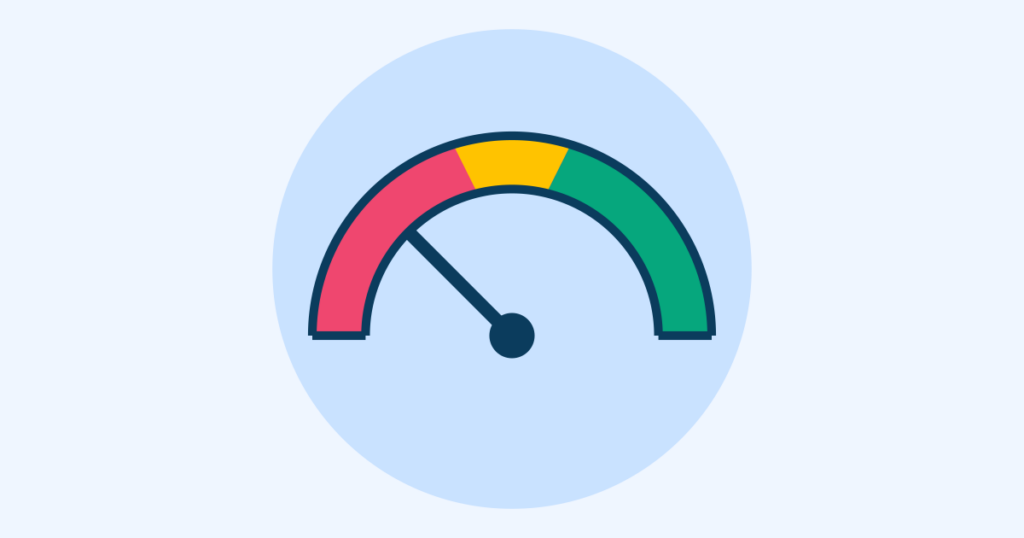
A number you never see decides what you can borrow and what it will cost. It is built from ordinary habits, most of them fixable.
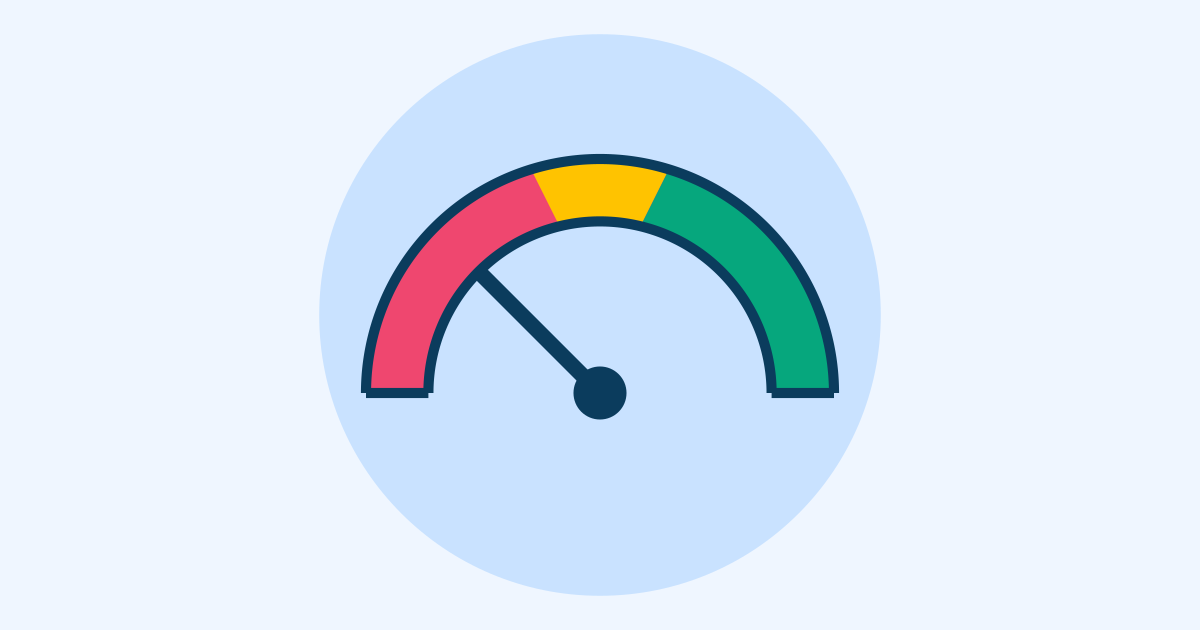
Somewhere there is a three digit number attached to your name, and you have probably never looked at it. Lenders look at it before they look at anything else. It shapes whether you are approved, how much, and at what rate.
What actually moves it
Repayment history is the largest part by a distance. A single missed instalment matters more than most people expect, and it stays on the record for years.
After that comes how much of your available credit you are using. Someone who consistently runs a card near its limit looks stretched, even if every payment is on time. Keeping usage well below the limit reads better than the same spending on a smaller limit.
Then the age of your accounts. A card you have held for a decade is an asset to the score. Closing it because you no longer use it removes that history.
The applications themselves count
Every formal application creates a hard enquiry. A few over years is unremarkable. Several within weeks looks like someone in trouble shopping desperately, and the score drops accordingly.
This catches people out when they apply to four lenders at once to compare offers. Ask about indicative rates first, and apply formally only where you intend to proceed.
Errors are common
Reports contain mistakes far more often than they should. A closed loan still showing as open, a payment recorded late that was not, an account belonging to someone with a similar name. You are entitled to your report, and disputes do get corrected.
Check it once a year, the way you would reconcile any other statement.
Repair is slow and it is ordinary
There is no trick. Pay on time, every time, keep balances low, do not close old accounts, do not apply for things you do not need. Twelve months of that moves a poor score meaningfully. Nothing moves it faster, and anyone offering to is selling something.