Tag: Adults

Life Lessons

Keep Your Dignity Intact

Keep Your Dignity Intact

Stressful situations and difficult people push us toward a fight or flight response. A calmer path exists, and it starts with respecting yourself.

Keep Your Dignity Intact

We all have a fight or flight response to stressful situations, and some of the most stressful situations are difficult relationships. When the odds feel stacked against you, act with honesty, tap into your inner dignity, and respect yourself. People will respect you for it too, and you will boost your own self esteem along the way.

Find your own release

Instead of giving in to the impulse to fight or flee, it helps to first find how you like to stay in control of your power. If you still have the leftovers of stress after dealing with difficult people, have a good cry, or go for a walk. Fresh air and a change of scene release stress and let you regain your power sooner, so you can live fully in spite of what others do.

Say sorry properly

Ordinary people do not have a team of image consultants and press handlers standing by to script the right words for them. Saying sorry is probably the most difficult thing to be done right, and it needs to be done with sincerity. Apologising is difficult in itself. It means acknowledging wrongdoing, admitting our mistakes, never saying sorry only to be done with it, and doing it with real sincerity from the heart. It takes a great amount of difficulty in getting past our own guarded stress, unwelcome side effects such as illness, insomnia, overeating and lethargy multiply until it hurts all round and only the negative emotions remain.

Set boundaries

Having good boundaries means caring for yourself as much as you care for other people. It means you value yourself and deeply value the other person too. It means you have the right to a different opinion and a different way of seeing the world, and having good boundaries also includes being conscious of and understanding the boundaries you do not share.

Shake it off

Animals get the idea. If they are stressed by anything unwelcome, they shake it off immediately, bark, buck, bite, run and scratch, and then get on with life. We tend to hold in our problems, and holding them in causes stress, which we tend to carry as our own, resentments fester and our progress stalls.

Weigh your decision

Whenever you are called upon to make a tough decision, whether personal or professional, keep this one thing sacred: your dignity. If you stay true to yourself, looking back on the choice will bring no regret, because you weighed it carefully in the moment and decided on that basis.
Work & Career

Career Mistakes To Avoid

Career Mistakes To Avoid

A successful career is a long journey with many turns. A handful of avoidable errors quietly derail more careers than any single bad decision.

Career Mistakes To Avoid

Having a successful career is a long journey with many phases and turning points. Reaching the point you are aiming for takes smart moves and careful decisions. Taking risky shortcuts and making avoidable mistakes leaves marks on a career that are hard to erase, so it is worth knowing what those mistakes usually look like.

Frequent job hopping

Being unhappy in your current job is understandable, but changing jobs too often is still a red flag to employers. Frequent moves get read as a lack of commitment, poor collaboration and a self centred streak, and many employers steer clear of such candidates on that basis alone.

Switching jobs for money alone

Everybody wants to earn more, but money should not be the only reason to move. Extra pay can look attractive at first, and then feel far less satisfying once you are used to the new job. Choose a move for the growth it offers, not only for the pay cheque attached to it.

Having no career plan

You should always keep a near term goal and a bigger long range one in mind. Without either, you end up drifting wherever circumstance happens to blow you, and you risk grabbing the first offer that comes along without weighing whether it actually fits you.

Not giving it your all

Doing only the bare minimum each day, never going beyond what is asked, and not playing well on a team all send the same message, that you do not much care or that you are simply lazy. People notice, and kept up over time this one habit alone can ruin a promising career.

Being anti-social at work

Work friends may not become your closest friends, but you still need to socialise with colleagues to build professional allies. Show up for the team lunches and the small gatherings. There is no need to linger for hours, but make certain people notice you were there.

Failing to keep improving

Being comfortable in your current role does not mean you can stop learning. Keep picking up new skills, whether through training at work, further study, or even a new language that helps you serve clients better.

Mind & Habits

Escape The Perfectionism Trap

Escape The Perfectionism Trap

Wanting things done well is healthy. Needing them flawless is not. Here is how to spot the trap and start climbing out of it.

Escape The Perfectionism Trap

Being a perfectionist means being overly concerned with personal achievement, to the point where everything has to be done exactly right or it feels like it has not moved forward at all. This usually comes from all or nothing thinking, where a result is either perfect or it is simply not good enough. In trying to improve, some people fall into a never ending pursuit of flawlessness. It is not the desire to change that causes the trouble. It is the over-doing, and the obsessing that comes with it. Being perfect can drain the enjoyment out of an effort that no longer feels quite right, however much work goes into it. The useful balance sits between making positive changes and obsessing over them.

Signs you might be a perfectionist

A few patterns are worth watching for. Judging yourself harshly, and judging others just as harshly. Obsessing over lifestyle commitments. Turning highly competitive with the people around you. Dwelling on a single mistake long after it is over. Feeling an intense need to correct someone else’s small error. Demanding perfection from other people as well as yourself. Staying with a task well past the point where everyone else has moved on. Any one of these on its own is ordinary. Several of them together are worth a second look.

Take charge of your inner voice

Beating perfectionism starts with controlling the inner critic, the voice that keeps telling you that you have fallen short. That voice can turn an ordinary mistake into supposed proof that you are a second rate person, and it wears down self esteem every time it speaks. Left unchecked, it feeds a growing fear of failure and of criticism from others. Learning to notice that voice for what it is, rather than treating it as fact, is the first real step out of the trap.

Life Lessons

Find Fulfilment By Putting First Things First

Find Fulfilment By Putting First Things First

Fulfilment is the feeling of a day well spent. Three habits help you take control of your time and your attention.

Find Fulfilment By Putting First Things First

Do you long for that sense of accomplishment, the feeling you get after a perfect day when nothing else needs doing? If you want more fulfilment in daily life, three habits help you take control.

Put first things first

At the heart of it, the answer is simply to put first things first. We are often pulled between what we would like to do and what we ought to do, and we struggle to use our time well. Trouble begins when what we do fails to match what we hope to achieve, because we have not made room for what matters most. To get the best from your day, learn to put first things first. The enemy of the best is the merely good.

Say no to urgency

When you are trying to finish something important, find a corner that belongs to you and no one else, and focus on what counts. If someone arrives asking for your attention, you already know the answer, and it is no. That way you are not only taking action, you are getting results that carry you toward a satisfying day.

Nurture self awareness

We rarely stop to register the present moment or what is happening around us. That keeps us cut off from our own core. If you cannot explain why you keep repeating a habit that harms you, put it down in a journal. If you criticise someone for a fault and then spot it in yourself, record that as well.

Mind & Habits

Living Carefree Is A Choice

Living Carefree Is A Choice

Feeling light, calm and confident is less a matter of circumstances than of perspective. Some thoughts on how to choose it.

Living Carefree Is A Choice

Being carefree, at peace, happy or confident, whichever way you want to describe it, is a choice. It means taking charge of your emotions and seeing that you can feel well without anything around you changing. Only your outlook has to shift. You can decide to feel good whatever anyone else does or says.

Letting go

The moment we release our fears, doubts and regrets, along with everything that no longer serves us, we return to how we once were. We go back to ourselves, to a kind of innocence, because that is where our true nature lies.

Caring without clinging

This does not mean you should stop caring. Caring means something matters, and it is perfectly fine to want what you want. The trouble starts when you become so attached that things must turn out one particular way to count as a success. Then you have set yourself up for disappointment.

Why it is hard

We are conditioned not to be carefree. Nine things may be going well and one may not, yet all our attention goes to the one that is not. That is the human tendency. We also carry fear, worry, guilt, resentment and old anger into the present, and most of what we brood about is not happening now. We simply spend our precious energy filling ourselves with anxiety over it.

Take a lesson from a child

We spend much of our lives chasing happiness, looking for meaning and balance without knowing where to search. It is wise to pause and think about what matters most. Watch a child at play and you will see what living in the present looks like. Learning that lesson sets you free.

Relationships

Do Not Keep People Waiting For You

Do Not Keep People Waiting For You

Being late sends a message you may not intend. Why keeping people waiting hurts a relationship, and what to do about it.

Do Not Keep People Waiting For You

Think of the feeling when a friend or your spouse keeps you waiting. If you dislike it, remember it when you are the one who is late. Keeping people waiting can damage your relationship with them.

What lateness says

When someone is left waiting, it suggests they do not matter, or that you do not care. That is an unpleasant feeling. There are people you should never keep waiting, such as the interviewer at a job interview or a spouse who is waiting for you at the end of the day.

The message you send

Many people count their time as a form of wealth. It is valuable, and they spend it only on what and whom they cherish. Asking someone to meet you is asking them to spend some of that wealth on you. Being late then quietly says that the other person’s hours are worth less than your own.

But I am paying them

You may tell yourself that you pay your staff well, so a late arrival at a meeting is excused. The point is that you pay people for the work they produce, not for the time they spend waiting for you.

Fair exceptions

Some things lie beyond your control: a real emergency, an accident, a natural disaster. Even so, being on time is usually within your reach. Wake earlier, plan the event ahead, allow for traffic, and leave home in good time.

Stress on both sides

No one enjoys being kept waiting, though few admit it. Some people take offence when you are late. They may not take you seriously, they may think you are disrespectful, and worst of all, they may turn up late for the next meeting with you. Do yourself and the other person a favour and be on time.

Health & Body

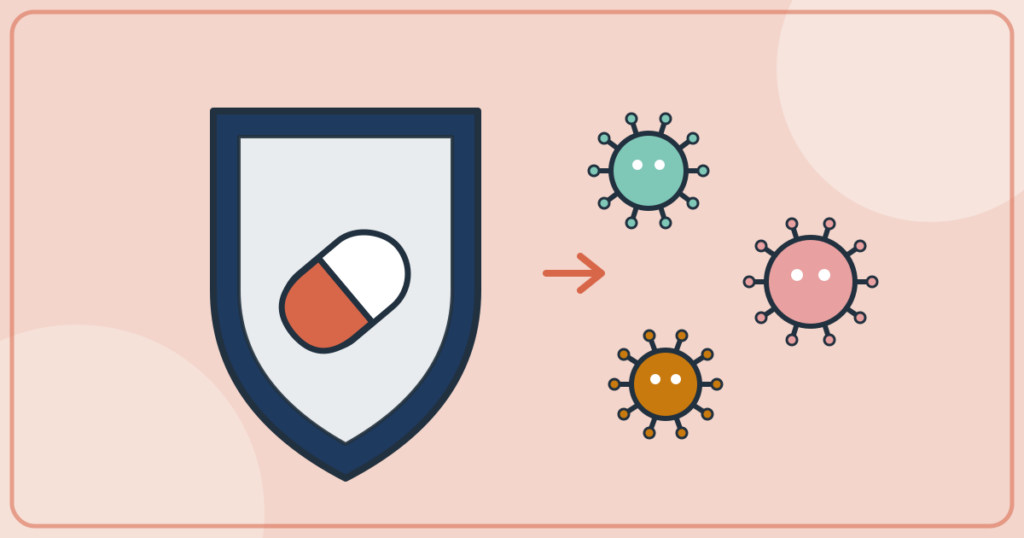
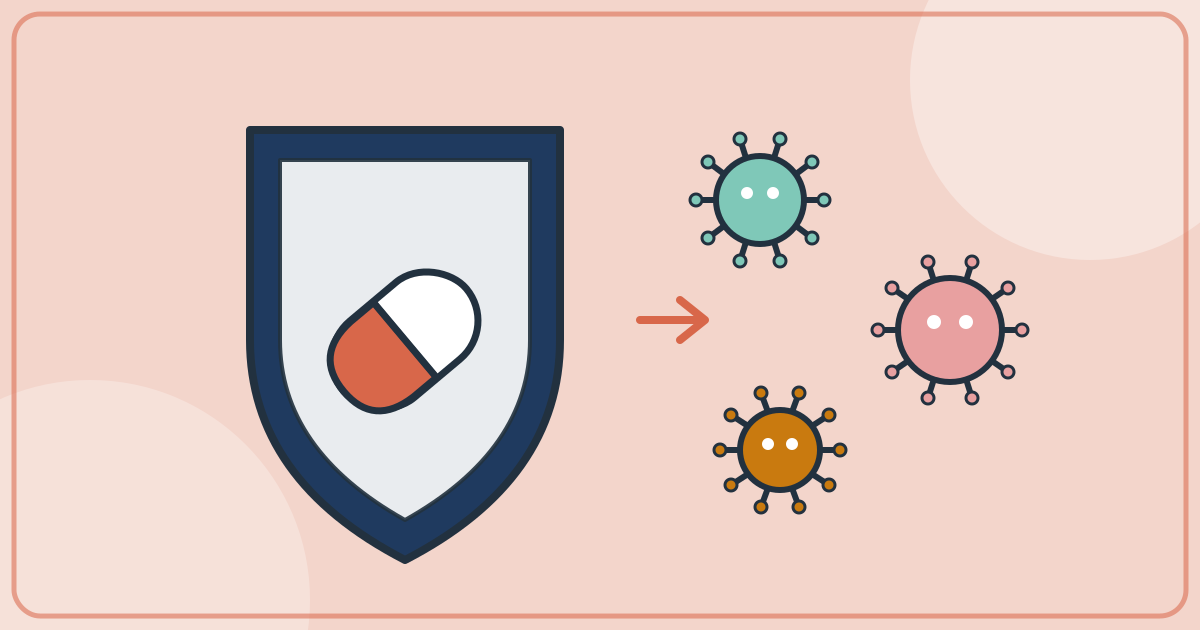
The Fight Against Antibiotic Resistance

The Fight Against Antibiotic Resistance

Antibiotics have saved countless lives, and bacteria are learning to survive them. Why it matters, and what researchers tried.

The Fight Against Antibiotic Resistance

When penicillin was discovered in 1928, it became one of the first antibiotics to defeat infectious disease. Ever since, antibiotics have been essential for preventing deaths that could have been avoided.

The troubling turn

All through the history of life, organisms have changed and adapted. Single celled bacteria do it faster than most, so fast that a majority are now resistant to a wide range of antibiotics. The United Nations rates the problem as a crisis, in the same class as the HIV epidemic.

What scientists tried

Researchers have taken up the challenge. One group at a university in the United States reported a possible weapon against resistant bacteria, published in the Journal of Antimicrobial Chemotherapy. Their answer lay in a specially built molecule, a peptide conjugated phosphorodiamidate morpholino oligomer, or PPMO for short. They believe it can block an enzyme that some bacteria make, one that carries the code for resistance along with several other genes.

The test

In the study the team paired the molecule with meropenem, an ultra broad spectrum antibiotic of the carbapenem family. Together they worked in mice infected with E. coli that carried the resistance enzyme. Testing on people was expected to begin in about three years, so treat the report as an early step and not a finished cure.

What you can do

Resistance grows every time an antibiotic is used where it was not needed. Take one only when a doctor prescribes it, and finish the course as directed.

Terms Explained

Big Data And The Security It Needs

Big Data And The Security It Needs

Big data is the huge volume of information that floods a business every day. It is useful, and it has to be handled safely.

Big Data And The Security It Needs

Big data is a term for the large volume of data that floods a business every day. Banks, governments, schools, hospitals and shops all use it, and it has become a hot topic. The technology helps organisations make use of huge amounts of information, but it has to be handled safely. Analysts usually come from fields such as mathematics, statistics or computer science, and strong maths and analysis skills are needed.

Securing your data

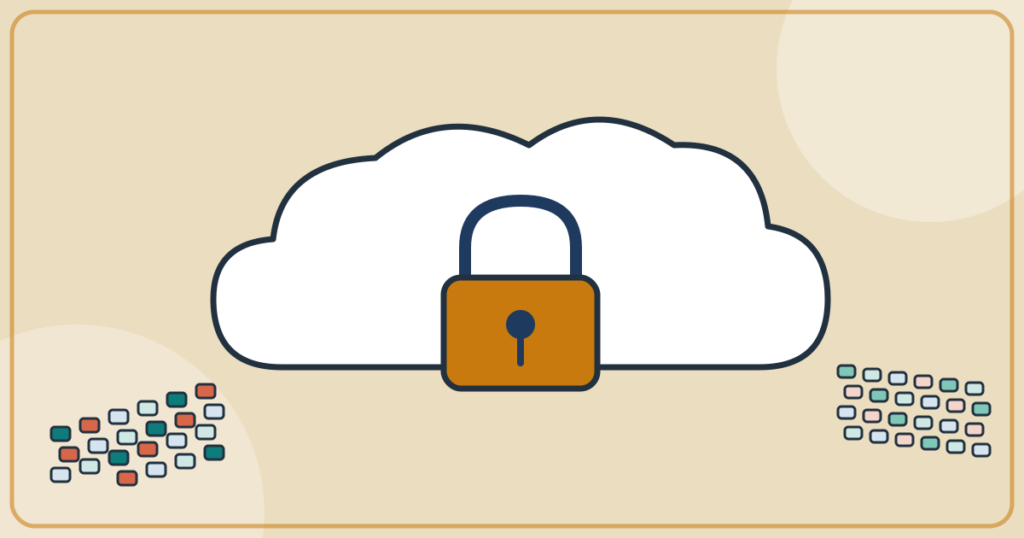
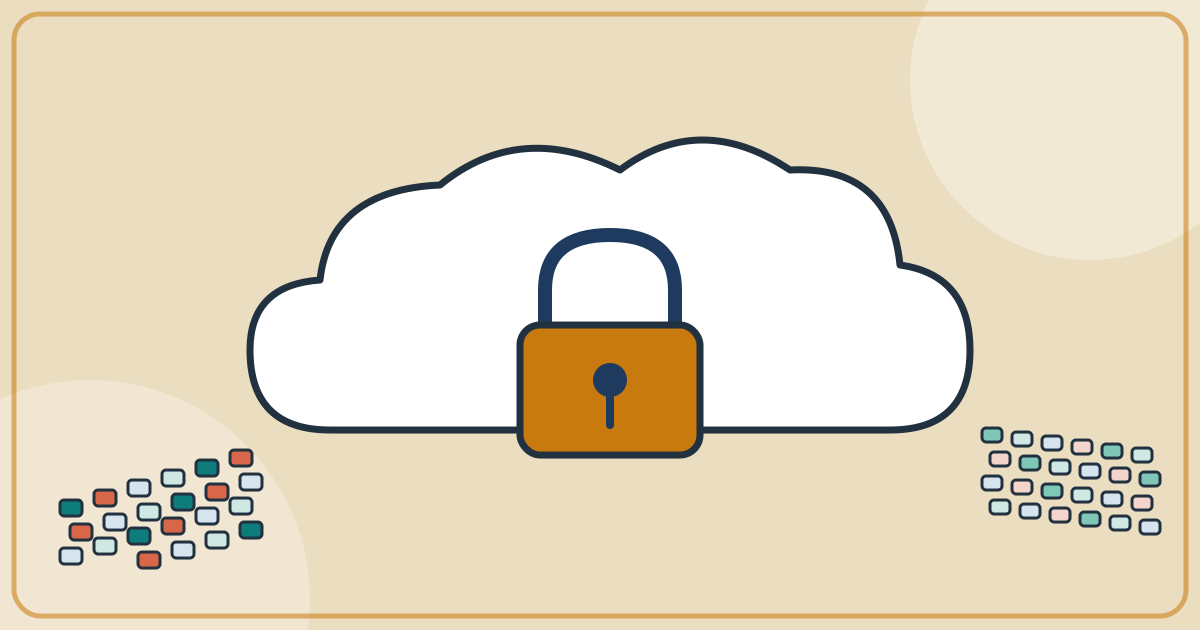
More companies now store and analyse every kind of information, including clickstreams and social media content, to understand their customers better. That raises the question of ownership. The information needs to be classified, and that has proven quite a challenge. The owners of the raw data and the owners of the results both need to be identified, and it matters where the information is stored and who can reach it. Few organisations will build their own big data setup. Most will keep the information in the cloud. Being in the cloud does not remove the organisation’s duty to protect it.

Putting it to work

Using big data to detect fraud is an increasingly attractive option. Older security monitoring systems that collect event records are beginning to overwhelm many IT departments, and big data is seen as a possible way to help. Detecting and preventing threats could be done through analysis that aims to catch them at the earliest stage. Today the logs a system produces are often ignored until something goes wrong. With big data the logs can be pooled and analysed automatically, and the analysis finds patterns that single logs would miss. It also strengthens intrusion detection and prevention tools, such as the open source Snort, which can analyse traffic in real time, inspect protocols and content, and detect a variety of attacks.

The risks that come with it

Big data is tempting and has real advantages, but it carries risks. Like any new technology, it is not yet well understood, and it can bring in unexpected weaknesses. The attack surface of the machines involved may not have been reviewed, and the servers may not be hardened enough. Sign-in and data access from many locations may not be controlled either.

Money Matters

Before You Take A Personal Loan

Before You Take A Personal Loan

A personal loan is easy to get and costly to repay. Five things to check before you sign.

Before You Take A Personal Loan

A personal loan is money a lender gives you on the strength of your credit history and your ability to repay it from your income. There is no security or collateral behind it, which is one reason it is so easy to obtain and so expensive to clear. Five points are worth settling before you commit.

Amount

Do not borrow unless there is an emergency or a worthwhile purpose. Work out the sum you actually need, and keep it well within your ability to repay quickly and without strain. Besides your capacity to repay, the lender will look at factors such as your income and your occupation.

Research

Many banks offer personal loans, and their rates differ. Do your homework, compare, and find the lender that offers the best rate before you apply.

Avoid too many loans

Taking several personal loans suggests that you are hungry for credit. Lenders report your financial activity to the credit bureaus, so keeping the number of loans low protects your score.

Term

Terms usually run from one to four years, depending on the lender and on your occupation. Try to keep yours short, ideally one or two years. The term and the interest are linked: the longer you take to repay, the higher the interest will be.

Penalties

There may be charges for late payment, for paying the loan off early, and for processing. Different lenders charge differently, so learn about these costs before you settle on one.

Money Matters

Avoid The Major Money Mistakes

Avoid The Major Money Mistakes

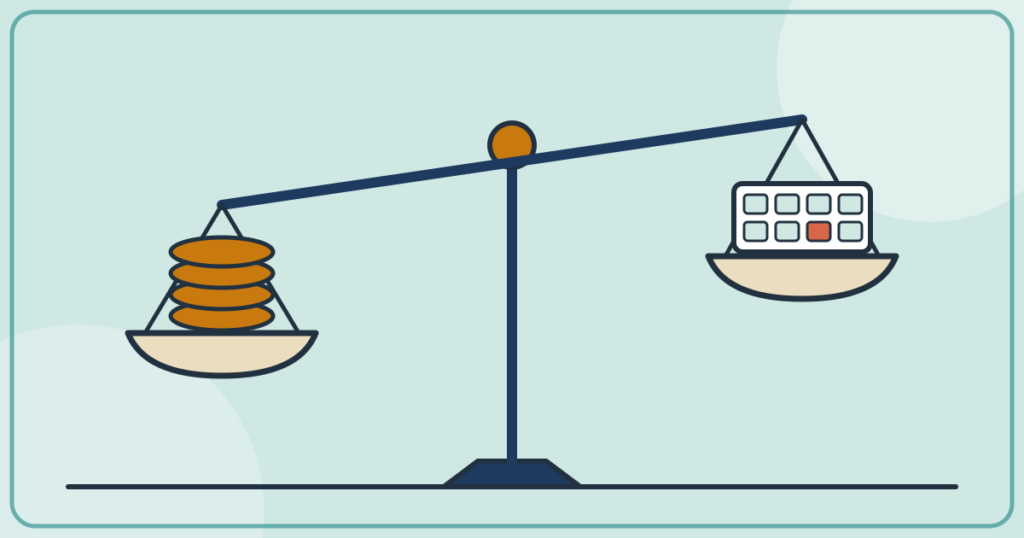
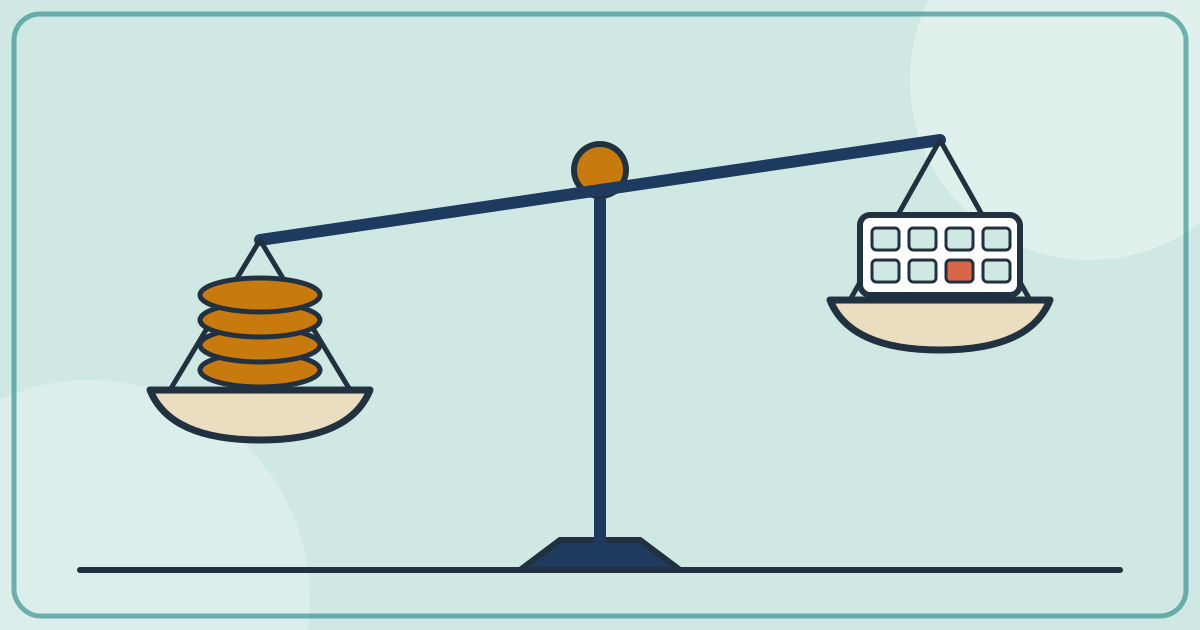
Managing money well comes down to one rule: spend less than you earn and invest the difference. Five big mistakes get in the way.

Avoid The Major Money Mistakes

Managing money well comes down to one rule. Spend less than you earn over a long period and invest the difference. What trips people up are the big errors, and they are easy to make when work and life keep you busy with the here and now.

The page lists the errors to put right: having no emergency fund, never writing a will, carrying too little insurance, not saving, waiting to invest, not making the most of your career, and overspending. Ignore these and you will be scrambling later in life. Avoid them and you set yourself up for freedom in your later years.

Carrying debt

If you do not clear your credit cards each month, or you pay only the minimum, you end up paying for the same purchases several times over. Cards are known for their fees, interest and hidden rules in the fine print, and once you fall behind it is hard to catch up.

Relying on a single income

A second source of income gives you a backup if something happens to your main job. Treat it as a chance to widen your interests, perhaps with a small venture or another line of work on the side. More than one source also leaves more money to invest and save.

Overspending on housing

It is easy to picture the apartment with the river view or the trendy neighbourhood. Many people give in and spend more than thirty percent of their income on rent. That money could be invested, and instead you are left scrambling to cover your costs.

Overspending on children

A baby makes you willing to do almost anything for safety and happiness, and that can mean the finest nursery furniture and designer clothes. Check your spending before it vanishes into toys, gadgets and accessories. Do not let emotion decide your purchases, for the baby or for yourself.

Inflating your standard of living

At any age it is tempting to want what others seem to have. Keeping up with the neighbours is not sustainable and does not bring lasting happiness. Another trap is expecting to live now the way your parents do. They spent decades building their wealth. You will get there too, if you keep expectations in check and do not spend beyond your means today.