Tag: Kids

Mind & Habits

Five Letters To Steady Strong Feelings

Five Letters To Steady Strong Feelings

Feelings, thoughts and actions are tied together, and left unmanaged they can pull us towards self-sabotage. A simple five-step check helps you respond instead of react.

Five Letters To Steady Strong Feelings

Learning to manage your emotions helps you change how you feel and how you cope with what life throws at you. Emotions, thoughts and the urges we act on are all linked. Left unmanaged, they can lead us towards self-sabotage and self-harm.

When we practise managing our emotions, our thoughts, outlook and mood clearly improve. Living more positively also brings big benefits, such as more compassion, more empathy and better relationships with others.

A simple five-step check

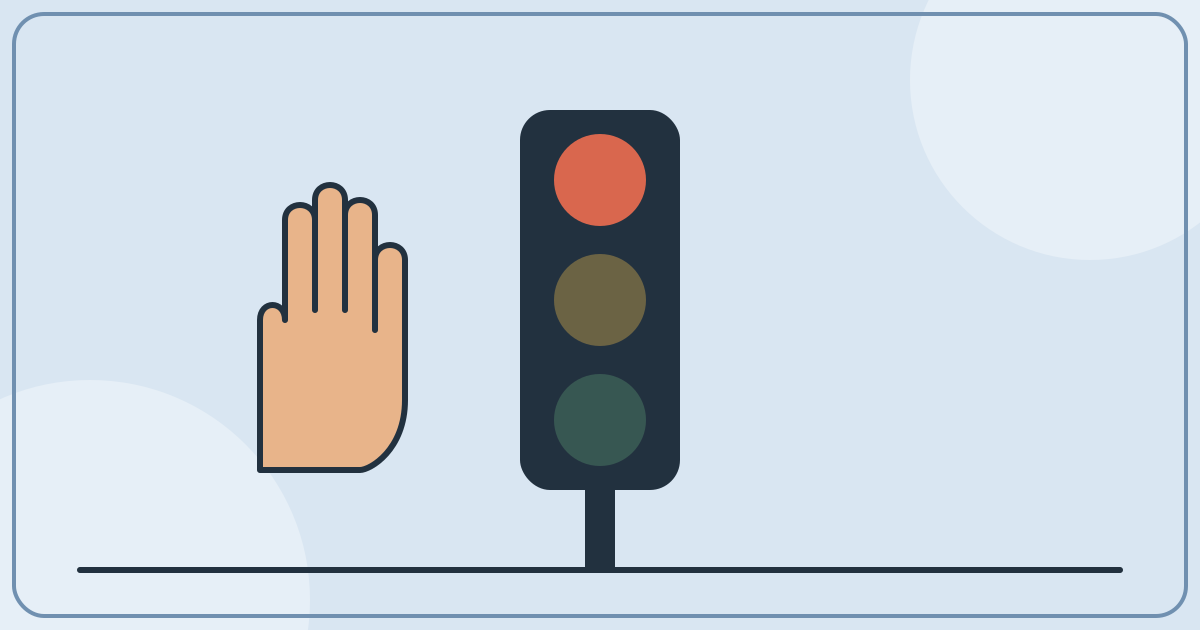
One well-known technique for handling emotions uses the letters STOPP. If you are struggling to keep your feelings in hand, it is a reliable way to manage them better.

S: Stop

Pause the moment you feel an emotion running away with you. Stop, and step back, out of the room or out of the situation if you can.

T: Take a breath

Notice your breathing as air comes in and goes out. Breathe in through the nose and out through the mouth.

O: Observe your thoughts and feelings

What thoughts are passing through your mind right now? Where is your attention? What exactly are you reacting to?

P: Pull back for perspective

Look at the bigger picture, as though from high above. Is there another way to see this? How much does it really matter? How much will it matter six months from now?

P: Practise what works, then proceed

What is the best thing to do right now? What would help most, for you, for the others involved and for the situation? What can you do that fits your values?

Life Lessons

Seven Steps Through A Rough Patch

Seven Steps Through A Rough Patch

Hard times are more than one setback; they are a chain of them. Everyone meets them, and with the right attitude and effort, everyone can get through.

Seven Steps Through A Rough Patch

Bad experiences can leave us feeling hopeless and low. Everyone meets hard times at some point, but with the right attitude and steady effort they can be overcome.

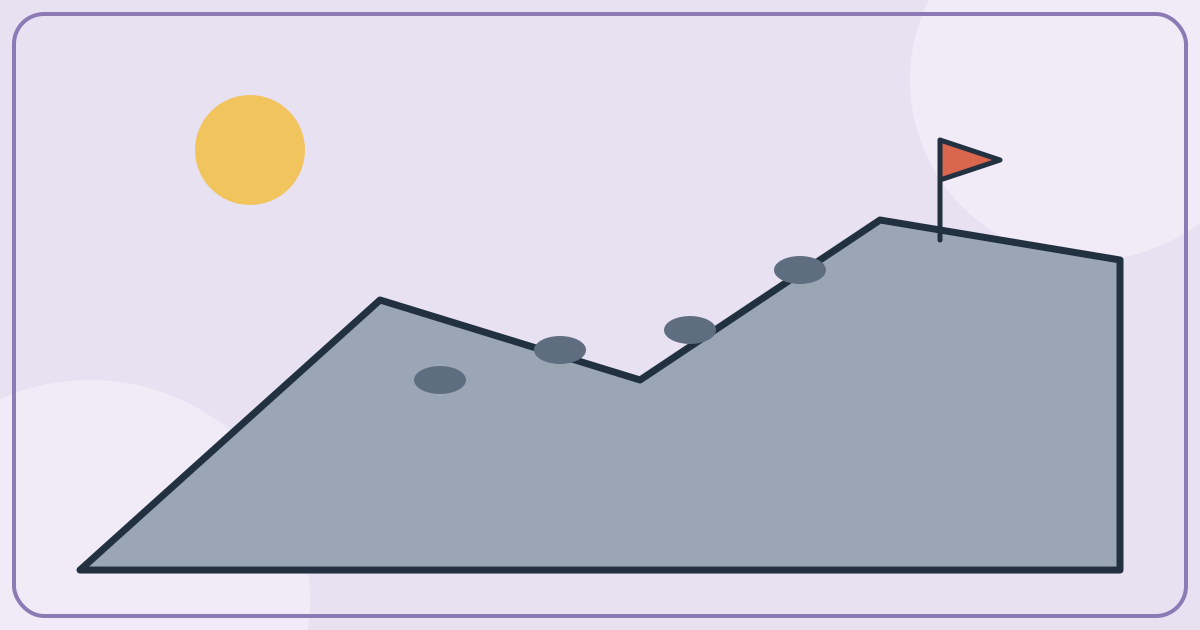
Adversity is more than a single difficulty or setback. It is a run of misfortunes that keeps you from your goals and from feeling content. It may come from unfairness in the world around you or from a personal loss. Here are some ways to work through it.

Sort and rank your problems

In difficult times it is easy to get pulled off course by small setbacks and disappointments. These can quickly pile up until they feel overwhelming. Learn to tell the difference between minor letdowns and real obstacles to your goals.

Look for the positive

To get past adversity, keep your attention on what is good, whether that is the better parts of your present situation or the good feeling you will have once you reach what you are aiming for.

Treat mistakes as lessons

Do not see your mistakes as failures. Recognise and admit when you have got something wrong, then work out what the situation taught you and what you will do differently next time.

Face forward

Learn what you can from the past, then turn quickly to using those lessons for what lies ahead. The past cannot be changed, so dwelling on it only feeds hopelessness. The future, on the other hand, is full of possibility.

Accept that hard times come to everyone

Some people meet more trouble than others, but nobody escapes setbacks and difficult stretches. Once you accept adversity as an ordinary part of life, you waste less time feeling stuck and helpless.

Keep a second plan

Look for more than one answer to each problem and have a fallback ready. Options keep hope alive and give you other routes forward if your first attempt does not work.

Set goals you can reach

Choose sensible goals and break them into smaller steps you can complete one after another. That keeps you motivated and cuts down frustration. Each small win lifts your confidence as you move towards the bigger aim.

Mind & Habits

Let A Bad Day Go

Let A Bad Day Go

Daily frustrations pile up. Often the kindest thing you can do after a bad day is to set it aside and give your mind something gentler to hold.

Let A Bad Day Go

Everyday life can be frustrating. Often the best way to handle a bad day is simply to let it go. That is easier said than done, so try a gentle distraction instead.

Do something that soothes you

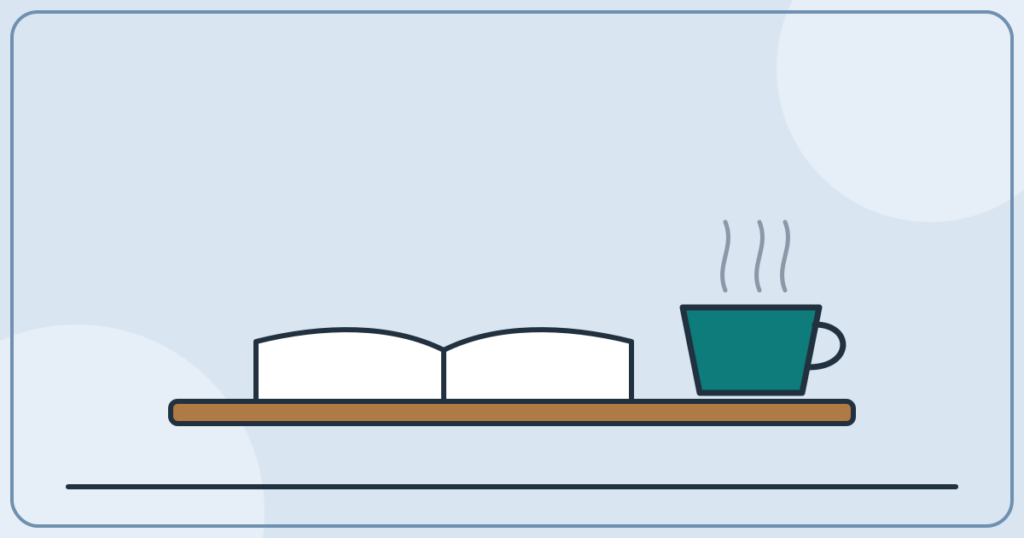
Choose something that makes you happy or quietens your mind. Settle down with a book once the day is done, or take a slow walk among trees. You might sip a cup of herbal tea and feel better for the rest of the evening.

Reach for company

If solitude does not lift you, step out with a friend or someone close to you and let the conversation take your mind off things.

Break the routine

After a day spent sulking, a distraction can be a real blessing. Step away from your usual routine for a while. A change of scene or activity gives your mind room to settle, and tomorrow looks different from a calmer place.

Life Lessons

Three Skills Every Student Should Grow

Three Skills Every Student Should Grow

Being a good student takes more than marks. Three everyday skills, built a little each day, prepare young people for an uncertain world.

Three Skills Every Student Should Grow

Being a student calls for many skills and abilities, and none of them is learned in a day. They are shaped slowly, through daily practice, over a long time. Three matter especially.

Solving problems

Problem solving helps you stay in control when a situation threatens to get out of hand. It helps you find answers for all kinds of circumstances. This skill matters more than ever because the world we live in is unpredictable, where almost any situation can turn against us. Students should learn how to work their way out of the problems that real life throws at them.

Thinking creatively

Creative thinking matters because it stretches the imagination. Young people need to approach things creatively. It helps them understand the world better and come up with answers that may show everyone else a fresh way of seeing. Coming up with ideas and making things are a basic part of a good education.

Leading

Every student will face choices about whether to follow or to lead. Class elections, student councils and club positions will test who others trust and want as a leader. But leaders also emerge from circumstances, when a moment simply calls for someone to step forward.

And alongside all three: remember that life is a short visit. Do not hurry, do not worry, and be sure to stop and smell the flowers.

Mind & Habits

Quieting The Mind In Five Steps

Quieting The Mind In Five Steps

A few quiet minutes can wash away the day's stress and leave a sense of calm. Five simple steps you can practise anywhere, whenever you need them.

Quieting The Mind In Five Steps

Quiet sitting can wash away the stress of the day and leave you with a sense of inner calm. It does good for body, mind and spirit alike. It relaxes the body and eases tension, lowers stress and settles the mind, bringing calm and peace. Here is how you can practise it whenever you need to.

Start with your breath

A good way to bring a wandering mind back is to focus on your breathing. You can learn structured breathing exercises from a good teacher, but the simplest form is just this: stop, and breathe. Slow, deep breaths help calm an anxious mind. You may find you become more focused and clear, and get through your work faster than before.

Watch your thoughts

The mind is always full of thoughts, and clinging to negative ones brings suffering. Remember that thinking something does not make it true. However high or low you feel, that rollercoaster of emotion is not you; you are far more than that. When feelings threaten to overwhelm you, pause and return to breathing.

Stay in the present

The more present and aware you are, the less you suffer. One way to train this is to change small routines. Brush your teeth with your other hand. Take a different route to work. Swap your knife and fork. When you catch yourself fretting over the past or worrying about the future, stop, breathe and return to the present. Remember that this, too, will pass.

Value yourself

Do not look to others for approval. Everything you need is already inside you. Forgive yourself for your mistakes and give yourself all the kindness you need. If that feels hard, treat yourself as you would treat your dearest friend.

Be patient

Worrying about a problem without working on a solution will not solve it. Healing takes time too. Old patterns are slow to fade, because we live by habit. Give body and mind time to settle into anything new. When it feels as though you have slipped backwards, simply breathe and reconnect with yourself. Steady practice will keep you on track.

The past is not healed by dwelling on it. It is healed by living fully in the present.

Life Lessons

Private Is Not The Same As Secret

Private Is Not The Same As Secret

Keeping some things to yourself is healthy. Hiding things out of fear is something else. Knowing the difference between privacy and secrecy matters.

Private Is Not The Same As Secret

Privacy and secrecy can look alike, but they are not the same thing.

What privacy is

Privacy is simply the state of being unobserved; changing your clothes is a simple example. Private matters are the traits, truths, beliefs and ideas about ourselves that we choose to keep to ourselves. They might include our daydreams, our feelings about how the world works, or our spiritual beliefs. When private matters are revealed, by accident or by choice, the other person learns a little more about the one who shared them.

What secrecy is

Secrecy is the act of keeping things hidden. What is secret goes beyond private into concealed. Secrecy overlaps with privacy, but not all privacy is secrecy. Secrecy comes from deliberately hiding something out of fear. Secrets are made of information that could do harm to someone else, emotionally, physically or financially. The person keeping the secret believes that if it came out, whether by accident or on purpose, it could hurt them and the people around them. A secret often carries an element of shame that a private matter does not.

Why the difference matters

People keep things private for many different reasons. A secret, though, is usually kept because of fear and shame about what others would think if they knew. We keep it hidden because we believe the cost of telling is too high. Privacy is a free choice; secrecy is not. A private matter might be, “I did badly in my school exams.” A secret is more like, “I faked my qualifications.”

Guarding your privacy is healthy. Carrying a secret is a burden worth looking at honestly.

Mind & Habits

Rigid, Fluid Or Flexible Mind?

Rigid, Fluid Or Flexible Mind?

Everyone thinks differently, yet some broad patterns appear. One useful way to look at them is three kinds of mind: rigid, fluid and flexible.

Rigid, Fluid Or Flexible Mind?

Everyone is different, and everyone thinks and behaves differently. Even so, people can be loosely grouped by the way they think.

The word “mind” covers everything that goes on in our heads: thought, awareness, perception, beliefs, desires and sensations. It is where conscious, unconscious and practical processes take place, and it shows itself in our ideas, our actions and all the other signs of brain activity. These processes have structure, but that does not make them fixed. Almost everything in the brain can change. Based on how these processes tend to run, some thinkers describe three kinds of mind: rigid, fluid and flexible. Each has its own traits.

Rigid minds

Upbringing and education shape the mind more than anything else, so it is common for rigid thinkers to have been raised by rigid parents. Rigidity is at heart a form of self-protection. Fixed ideas give a sense of control and shield a person from uncertainty. People with this trait do well in work and activities that call for discipline. On the other hand, rigid thinkers can be a little shallow. They seldom stop to question whether an idea or an action really holds up. They expect everything to happen in an orderly, set way. That makes creativity very hard for them, and they tend to repeat themselves.

Fluid minds

Fluid minds are the opposite. They struggle to stay consistent, so they simply adapt to whatever is going on around them, taking the shape of whatever container they are in. This is typical of people who have given up any sense of control over their circumstances, or who feel they need someone to steer them. They find it hard to make decisions and harder still to take a stand. Not knowing what to think, they hand the job to others who seem to have the certainty they lack.

Flexible minds

Flexible minds adapt too, but not by passively accepting whatever happens. Their adapting is thoughtful and creative. They know how to find their place in reality without forcing their will on others, and without meekly giving in to others either. They are open to discussion, which means they can change their opinions and adjust their ideas. In a way, it is a humble mind. It does not believe it owns the truth, yet it does not give way to nonsense or error, because it has its own standards.

Worth remembering

Nobody has purely one kind of mind. We all carry a little of each, though one usually dominates. Nor is any of them simply a “bad” mind or a “good” one. Knowing the basics simply helps you understand yourself and others a little better.

Tips & Tricks

Spending A Free Afternoon Well

Spending A Free Afternoon Well

A rare free afternoon can drain away on the sofa or the screen. Seven simple ways to turn spare hours into something worthwhile.

Spending A Free Afternoon Well

You have some free time and want to put it to good use, instead of lounging about or scrolling on your phone. Now and then our busy lives ease up and hand us a few extra hours. There are plenty of ways to make the most of them.

Read the book you kept postponing

Pick up the book you always meant to read but never found the time for.

Tidy your living space

Sort out your room or your home and clear away the clutter.

Make or learn something

Write, paint, build something with your hands, or start learning a new skill or language.

Explore your own town

Visit an interesting corner of your town and learn about its culture and history.

Lend a hand

Join an event that is already happening, as a volunteer or a helper.

Help a charity

Visit a charitable organisation and offer some of your time to its work.

Share what you know

Gather the children in your neighbourhood and teach them a skill you are good at.

Life Lessons

The Two Cats On The Narrow Path

The Two Cats On The Narrow Path

Two cats meet on a narrow path and neither will give way. A wiser cat shows them how foolish their quarrel over pride really is.

The Two Cats On The Narrow Path

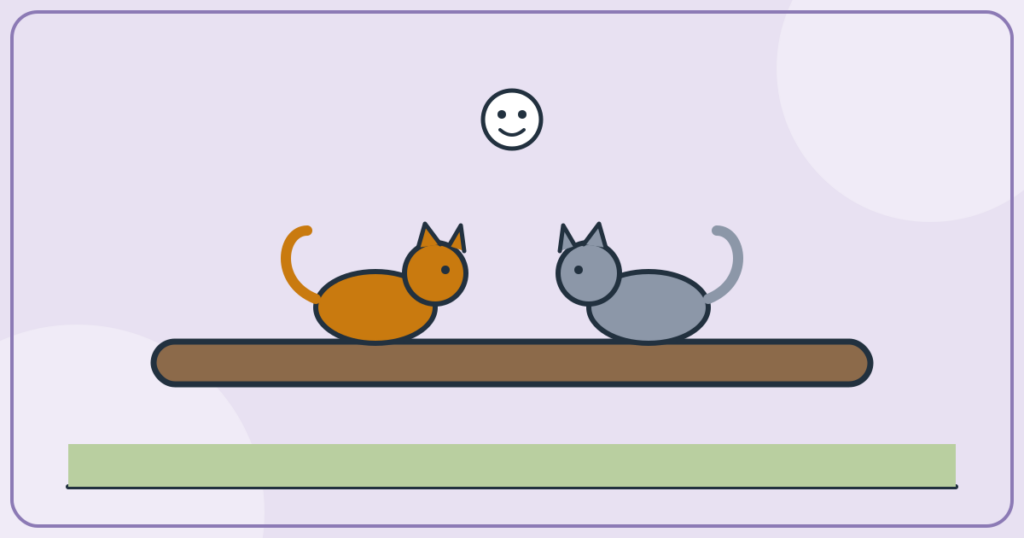
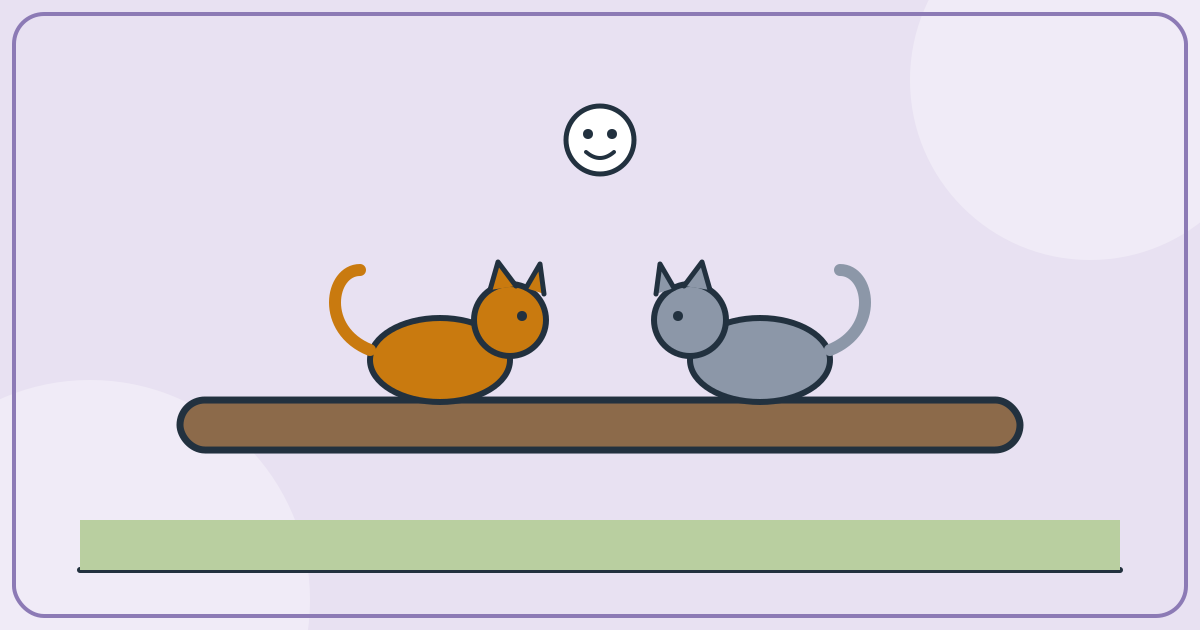
Two cats were walking towards each other along a narrow path. When they met, neither would let the other go first. They simply stood there, yowling at each other.

“Let me through first,” said one.

“No! I got here first,” said the other.

“No, I am wiser than you, so you must show me respect.”

“I am stronger.”

From shouting to fighting

Before long the yowling became a brawl. The two cats were scratching and biting each other. A little later, a wiser cat came by. He watched them for a moment and began to laugh.

The two fighters stopped and stared at him in surprise. “Why are you laughing?” they asked.

“I am laughing at you and the way you are behaving,” he said. “You are wasting your time and hurting each other just because neither of you will let the other pass. This path is wide enough for both of you to get by. Why are you fighting? Have you nothing better to do?”

“It is a matter of honour and power,” the two cats replied.

What real strength looks like

The wise cat smiled. “Do you need to prove you are the stronger one? Who cares? Someone who is truly strong and sure of themselves does not need to show it to anyone. They feel good about who they are, and others sense their strength and respect them out of affection, not fear. There is life, there is good food, there are wonderful things to enjoy and to do, and here you stand, face to face, yelling, scratching and fighting. Is that sensible? Open your eyes and grow up. Does it really matter who reaches the other side first? Is it worth all these scratches and bites? You are spending your time, your energy and your health on nonsense. Look around: the other animals are laughing at you.”

The two cats were lost for words. What the wise cat said made sense, and they went their ways along the path without another argument.

Relationships

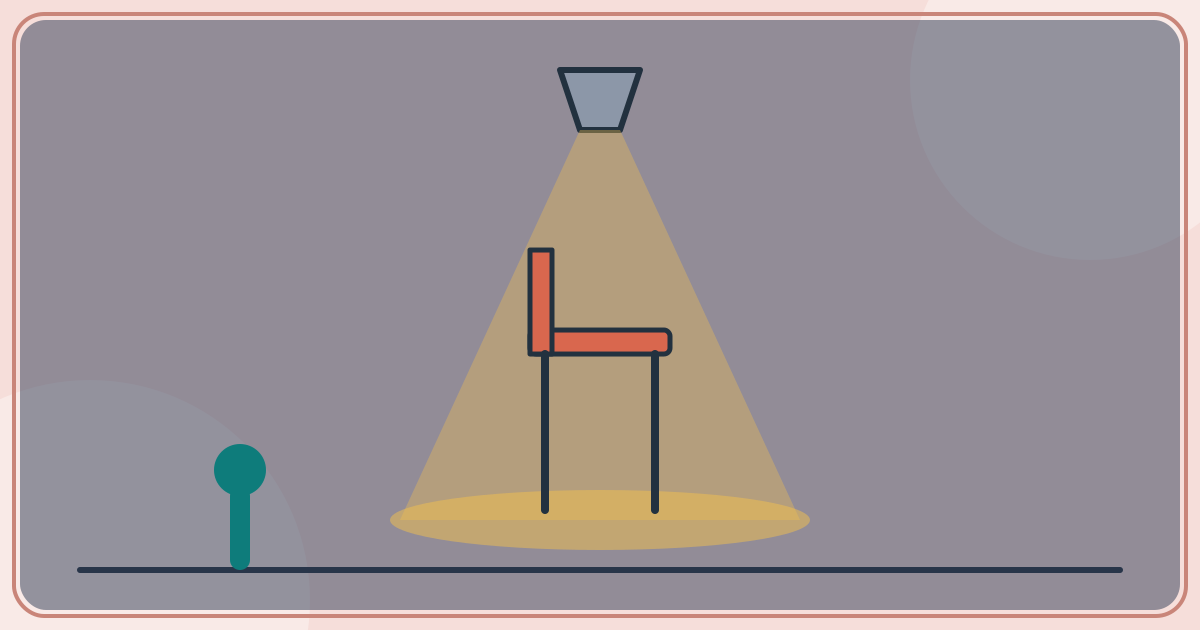
Let Others Have The Spotlight

Let Others Have The Spotlight

Something remarkable happens when you let other people talk about themselves. Respect grows, guards come down, and friendship follows.

Let Others Have The Spotlight

Something almost magical happens when you let other people talk about themselves, their lives and what matters to them. They respect you. They see you as sincere. They open up. After all, everyone wants to be heard.

Your turn will come

Before long, the conversation turns. They want to know you better. They want to understand what moves you. They want to connect with your story. And just like that, a friendship begins to grow.

What it does for you

In the quiet loneliness that touches every life, shining the light on someone else, letting that person be seen, heard and treated as special, becomes a joy in itself. It feels deeply satisfying. It certainly feels purposeful, and finding purpose matters. Imagine who you become when you give meaning to people in those moments. It brings a calm, quiet confidence that nothing else can give.

It is worth remembering too that anyone who stands in the spotlight for long can easily lose their way. Stepping aside to let others shine keeps us grounded.