Tag: Kids

Mind & Habits

Small Acts Of Everyday Courage
Small Acts Of Everyday Courage

Most of us wish we were a little braver. Fear slips into ordinary days and stops us acting. Three ways to build courage you can use daily.
Small Acts Of Everyday Courage

We all wish we were a little braver. Yet fear creeps into our ordinary routines. It stops us acting, holds us back at work and makes us put things off.

Bravery is mental toughness, knowledge and confidence rolled into one quality. With it you can make hard decisions, act without wasting time and walk into uncomfortable situations with ease. You need it when you take on something new, when you have to stand up to someone, and even when things are going badly.

Hold on to the moments you feel brave

When you do something brave, try to bottle the feeling in your mind, or at least remember it as clearly as you can. Celebrate it, take a photograph, keep a small token, anything that reminds you how good you were in that moment. What you did matters less than the fact that you were brave. Notice the times you feel strong and capable. Stop, breathe slowly and deeply, and say to yourself, “This is who I am.” The more often you recognise your own strength, the less afraid you become. Every brave moment, big or small, is fuel for the next one, and that fuel is there whenever you need it.

Use your emotions as tools

Emotions can be hard to control, but learning to steer them is one of the best ways to beat fear of any kind. Focused emotions can lift you up and can even help others. Strong determination, for example, can drown out the fear. You would not normally go looking for reasons to be angry, but a measure of indignation can be more useful than you might think. If parts of your situation stir strong feelings in you, put them to work.

Ask what you would do if you were not afraid

Sometimes being brave is simply a matter of looking at things from outside. If you were not afraid, could you do what needs doing? Probably. Would you be better off for it? Most likely. When you step back and see your situation from another angle, you may find you are fully capable of acting without fear. And if bravery will not come in the moment, act as if you are not afraid. Others will see you as brave all the same, and you may convince yourself that the fear was mostly in your head. Picture everything you could get done if fear were not in the way.

How courage grows

To become braver, you need to be terrified of something, do it anyway, and find yourself a little less scared the next time. The only alternative is to be terrified of something, do nothing, and remain terrified.
Life Lessons

Choosing Well At The Crossroads

Choosing Well At The Crossroads

The choices we make minute by minute shape our lives and touch the lives of others. Five ways to choose more wisely, and with less fear.

Choosing Well At The Crossroads

The choices we make, minute by minute, shape where our lives go. Each one has an immediate effect on us and on the people around us. So choose wisely.

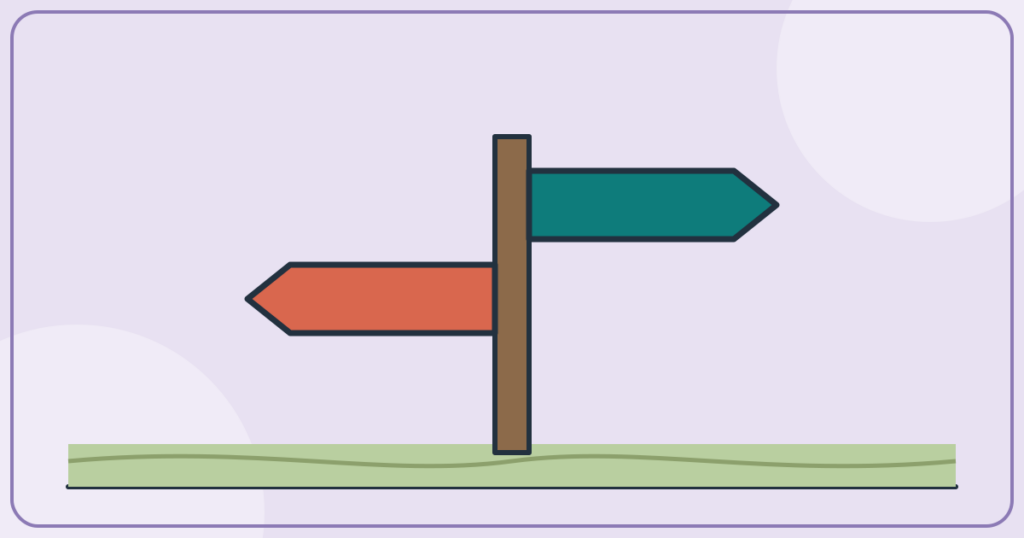
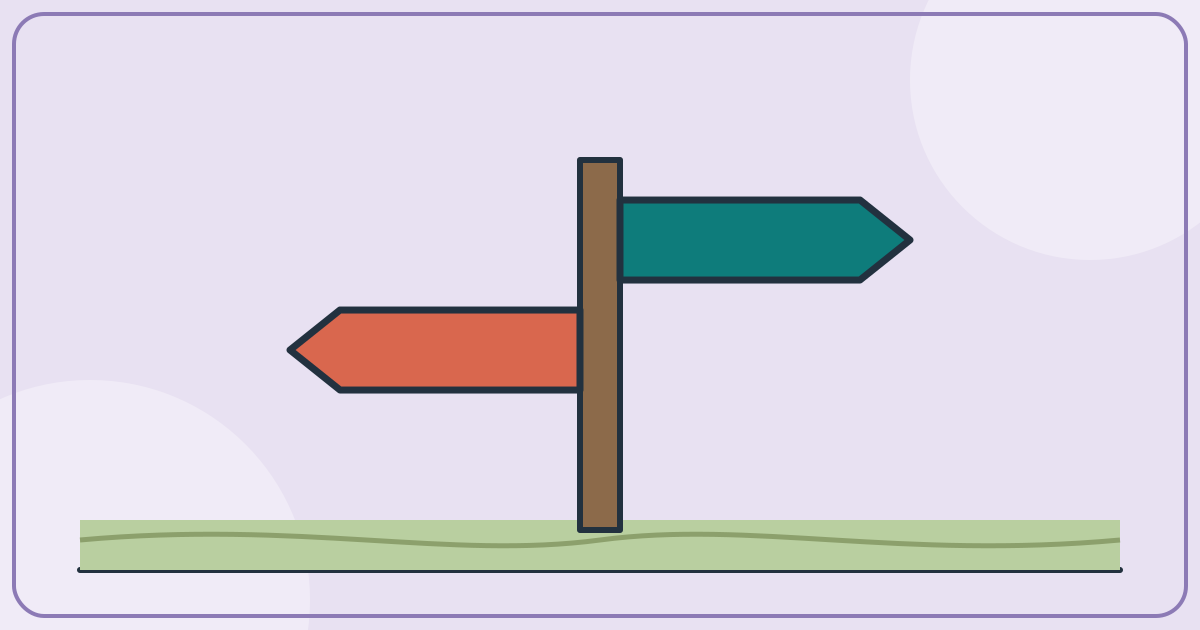
Standing at a crossroads and deciding which way to go is a picture of life itself. Whoever you are, you face choices every day. Even deciding to do nothing is a choice, though seldom the most useful one. Knowing which choice is right can still be extremely hard. These ideas can help.

This choice will not change everything

Most likely, the choice in front of you will not transform your life, and its effects will not last for ever. So step into the decision knowing that you can change course later, try something else, learn from your mistakes and carry on. Seeing a choice clearly as something that is not a threat makes it much easier.

Weigh your options, then act

The wiser approach is to look carefully at your options, pick the one with the most in its favour and go for it. Then act. That is far better than sitting on the sidelines doing nothing. Once you have weighed the options and chosen, stop second-guessing yourself.

If it does not work, try something else

Nobody makes the right choice every time; life does not work that way. Giving up the moment you meet disappointment is not the way to get the most out of life. Trying something different is. If you stumble the first time, it does not mean you are bad at choosing. Take in the lesson and work out a new approach. This comes more easily the more you base decisions on clear reasoning and then follow through.

Ask people you trust

Keep wise people around you with whom you can talk through a choice before you settle it. You may find there is another way. There is always another way. Our task is simply to put ourselves where we can learn to choose well.

Choose your best time to decide

If you try to decide while stressed, tired, hungry, angry or low, your choice may not be well thought through. Pick a time when you are rested, full of energy and ready to act. That might be early morning, or after you have unwound at the end of the day. Whenever you can look at your options calmly and reach a sensible, workable decision, use that time. Your choices will show the difference.

When you are searching for an answer, the best thing to do is often to pause, be still and listen. Learning to hear your own inner sense of what is right may be the most important skill you ever develop.

Tips & Tricks

Catch Your Ideas Before They Fly

Catch Your Ideas Before They Fly

Great ideas tend to arrive when we are least prepared, and most of them vanish. Three simple habits help you keep the good ones.

Catch Your Ideas Before They Fly

Good ideas usually turn up when we are not ready for them. It is often said that an adult has tens of thousands of thoughts a day. Try recalling a hundred of the thoughts you had earlier today. Hard, is it not?

Forgetting most of them is normal. Our brains filter out what is not needed so that we are not overwhelmed. The trouble is that plenty of great ideas get thrown out along the way.

Never trust your memory

Think back to the brilliant, world-changing idea that came to you in the shower. Can you remember it? Of course not. It slipped through the gaps in your memory, never to return, because you did not take a moment to write it down.

In our rush through the day, we rarely stop to note the ideas that drift through our heads. Some people even think it is a waste of time. We assume that if a thought really matters, we will remember it later and act on it. We do not, and all we are left with is a vague, empty feeling. So do not be lazy. Write the idea down, however sure you are that you will remember it.

Resist the urge to organise

It is very tempting to start arranging your thoughts the moment they arrive. Do not. Organising is a separate job for later, when you move from loose, wandering thinking into focused work. Stick to thinking freely, write each idea down, and leave it alone for now. If you try to organise as you go, you will lose many ideas because you are fixed on just one. You will also lose energy, because you are piling on work and making the whole thing harder.

Look back over your ideas regularly

Once your ideas are on paper, return to them and build them into something bigger. Review them about three times a week. As you do, weed out the weaker ones, arrange the rest and start developing those with the most promise.

Remember, most people have plenty of good ideas. Very few bother to write them down, and those few are the ones who succeed.

Relationships

Be The Reason Someone Smiles

Be The Reason Someone Smiles

Bills, jobs and family duties can crowd out everyone else's needs. Small, deliberate acts are enough to brighten someone's day. Here are six.

Be The Reason Someone Smiles

Life wears us down easily. We all carry responsibilities: bills, work, children and more. Amid all that pressure, it is easy to think only of ourselves and forget what other people need. Make time for the small things that can bring a smile to someone’s face.

A smile grows out of inner peace and a glad heart. It is the one thing that makes every person look beautiful, and there is no better way to start a day. A real smile comes from a happy spirit, so spread that joy by being the reason someone else smiles. A smile shared with the world is a sign of friendship and peace.

Surprise someone with a small kindness

Surprise someone with an unexpected kind act. A positive attitude spreads from person to person, and the results are lovely. The world can feel heavy, and nobody climbs out of stress easily on their own. So treat people to something they love, or a gift you know will make them smile. We are all in this together, and kindness always comes back around.

Give a sincere compliment

Compliments are powerful and can make someone’s day. Few things make people smile like warm, encouraging praise, and even the shyest of us love to hear something good about ourselves. Giving compliments sets off a chain of goodwill. Letting someone know they have made a difference in your life, or that you admired how they handled a situation, is a valuable gift.

Smile at someone

Simply smile at someone. Do it from the heart and you may be surprised by what follows. Smiling is not something we copy from our surroundings; it comes from within. A smile for a passer-by, a note for someone having a hard day, a long hug for your best friend, or a good-luck message to someone facing an exam are all easy ways to spread joy.

Thank people, and apologise

Whether we realise it or not, few words are treasured more than “thank you” and “sorry”. In effect you are saying, “Thank you for your effort, your thoughtfulness and your care.” The same goes for owning up to your mistakes. The other person may not smile when you apologise, but later they may well smile as they think about your honesty and courage.

Be there for others

Fill your heart with so much love that it spills into the lives of others. Reach out to people and be a light in a world that badly needs one. When someone truly needs you, be there whenever you can.

Why it matters to you too

Smiling gives you more influence and a bigger effect on the people around you, because it shapes how we feel in each other’s company and how others see us. It also helps us feel good ourselves, which is one more reason to smile. A smile does as much for your own wellbeing as it does for anyone else’s.

Mind & Habits

What Lies Behind Showing Off

What Lies Behind Showing Off

We tend to dislike show-offs and assume they are arrogant. Look a little closer and the reasons behind the display are often quite different.

What Lies Behind Showing Off

Most of us do not warm to people who show off. We assume they are arrogant, and sometimes their display reminds us of how little we have achieved ourselves.

From the outside, show-offs seem happy. They appear to own plenty of what others want, and sometimes they seem superior. What most people do not realise is that the picture on the inside is often very different. Sometimes showing off simply brings a good result: people respond when someone behaves a certain way, so the behaviour continues. Often, though, there are deeper reasons.

They feel unseen

Many people who show off believe they have not been given the attention they deserve. The display is a way of sending one clear message: notice me.

They depend on other people’s opinions

For some people, what others think matters little and does not change how happy they feel. For those who show off, it is the reverse. Other people’s opinion is the most important thing of all, and if they fail to win approval, they can feel truly miserable.

They feel underestimated

Some believe that the people around them are selling them short. So they put their best qualities on display, working hard to prove that they are worth something.

Understanding this does not make showing off pleasant. It may make it easier to meet with patience instead of irritation.

Mind & Habits

Write It Down To Feel Better

Write It Down To Feel Better

Not everyone can talk their feelings out. Writing them down, without worrying about spelling or grammar, can reach the root of the hurt.

Write It Down To Feel Better

Talking about your feelings does not suit everyone, and more and more people are turning to writing instead. Writing helps us make sense of what happens in our lives and can reach right down to the root of what hurts, which can bring a real sense of release. This kind of expressive writing simply means pouring your heart and mind onto the page without worrying about spelling, punctuation, grammar or any other rule. It can be good medicine.

Whether you write by hand or type, putting stressful experiences and emotionally loaded matters into words can help both body and mind. Research in recent years has linked it with easing the symptoms of several long-term physical conditions, and with relief from anxiety, low mood and the after-effects of painful events. Here is how writing can start a deep process of healing.

It lets you be real

The page gives you a place to express yourself freely, without holding back or feeling afraid. You no longer have to pretend to be something you are not. Writing opens both mind and heart, and lets healing begin.

It helps you face the pain

Pain that is never dealt with can trap you in a loop, precisely because it hurts too much to look at. Writing gives an outlet for the hard events that turn life upside down. Thoughts, feelings and emotions often flow more easily on paper than in speech.

It clears your head

Putting things on paper sweeps the clutter from your mind. Feelings and thoughts can churn together in private. Writing helps you work through it while keeping negative thinking in check. Grief, frightening experiences or sudden bad news can push a person into isolation, which does not help. Writing is one way back out.

Before you begin

Write for at least twenty minutes a day on four days in a row. Choose a subject that is deeply personal and important to you. Keep going and do not worry about punctuation, spelling or grammar; if words dry up, draw a line or go over earlier sentences again, but keep the pen moving. Write only for yourself. You may destroy or hide what you write, and it should not become a letter to anyone. Finally, if writing about one particular event feels too much to bear, stop. If that happens, talking to a trusted person or a professional is the better next step.

Health & Body

Four Habits That Keep You Awake

Four Habits That Keep You Awake

Tossing, turning and waking up grumpy is no fun. Often the cause is one of a few everyday habits in the hours before bed.

Four Habits That Keep You Awake

Struggling to fall asleep? Tossing and turning, then waking up cranky, is never pleasant, so it is worth facing facts. You may be losing sleep because of one of these unhelpful habits before bed. Here are the sleep-stealing mistakes to avoid.

Caffeine

Coffee can be a lifeline in the morning, since few of us are natural early risers and nobody wants to feel slow and half awake. But if you work long hours and lean on caffeine all through the day, your sleep will suffer badly, however tired you feel at night.

Eating late

Studies show that going to bed soon after a meal usually leads to a restless night, with discomfort such as heartburn being all too common. Try to finish eating at least two hours before you plan to sleep, and steer clear of foods that are high in sugar and acid.

Checking your phone

Nearly everyone carries a smartphone now, and most of us feel we cannot do without it, since so much of our social and working life runs through it. Phones are also habit forming, and they can cut into our sleep.

Video games

Most of us know that watching television or scrolling on a phone in bed gets in the way of good sleep. Video games are another screen habit to add to your list of things to stop before bedtime.

Relationships

Three Things People Get Wrong About Extroverts

Three Things People Get Wrong About Extroverts

Introverts are finally getting the respect they deserve. Extroverts, meanwhile, are still being misread. Three common misconceptions, set right.

Three Things People Get Wrong About Extroverts

Quiet people are at last receiving the regard they deserve, as people become more accommodating of quieter ways. Yet the more the truth about introverts is accepted, the more assumptions seem to pile up about extroverts. Researchers say several common beliefs about them are simply wrong. Much of what looks like overconfidence actually comes from the way extroverts process information.

They always want to make plans and go out

Extroverts are quite at home in busy, stimulating places. That does not mean they constantly need a social calendar. They are not hungry for attention; they simply handle it more easily than introverts do. Extroverts enjoy time alone too. They are just less attached to it.

They are not just talking, they are thinking out loud

Extroverts do tend to talk more, but that is because talking is how they work through certain information. They often arrive at an answer by talking a situation over, while their more introverted friends look inward to think it through. So when it seems that an extrovert is going on and on, what you are usually watching is a person working out a situation, a decision or a problem.

They are poor listeners

Because extroverts are so chatty, some people assume they must be bad at listening. That could hardly be further from the truth. For the most part, extroverts want to hear your opinion, because that is how they learn, and it is often why they started the conversation with you in the first place. They are also always ready to pick the conversation back up to save everyone from awkward silences.

Mind & Habits

Traits That Push People Away

Traits That Push People Away

Everyone has bad days. When a negative trait shows up every day, though, it quietly drives people away. A reality check on seven of them.

Traits That Push People Away

Nobody enjoys being around an arrogant person, because arrogance repels people. Several other traits work the same way, and many of us carry one or two of them without noticing. Here is a reality check on the traits that may be making you less liked than you realise.

We all have bad days, and most of us slip into a negative trait now and then, however good we are at heart. But if you find yourself showing any of these every day, it may be time to seek help before they start harming your relationships at home and at work.

Moodiness

Some people are so changeable that others hardly dare approach them, never knowing which side they will meet. Cheerful one day, gloomy and miserable the next, often for no clear reason, they are uncomfortable company. They can be set off by the smallest thing. Try to stay calm with others, whatever the situation.

Meanness

Nobody wants to be around people who are always angry at everything around them. If you have ever worked with a mean person, you will know the knot in your stomach before you walk in each morning. One bad seed is enough to spoil a whole environment. Mean people will always exist, so counter them by being as kind as you can to everyone around you.

Arrogance

A superior attitude gets you nowhere. Showing the world that you think you are better than everyone else only reveals how short-sighted and narrow-minded you are. The smartest and most successful people got where they are because they know there is always someone better, and they keep working to improve. Stay humble and keep looking for ways to grow.

Rudeness

Rudeness is a weak person’s imitation of strength. Rude people have no filter and pay little attention to social norms. They ignore other people’s feelings and act as if the world exists only for them. They push others away and often end up deeply lonely. Who knows what friendships might grow if you open up to people instead of shutting them out. Politeness almost always leads to bigger and better things.

Unreliability

Not offering help is one thing. Offering it and then failing to follow through is quite another. Friends and colleagues who say they will do something and then keep putting it off until the last minute, if they do it at all, show that they cannot be trusted. When you promise someone help, completing it should come before anything else. Showing that you can be counted on is one of the most important traits for building any relationship.

Controlling behaviour

Controlling people do not trust others to know how to live their lives or do their jobs. Overbearing parents, bosses and spouses leave those around them feeling unworthy and less willing to try harder. Such people frequently turn harsh and overbearing, and those close to them feel they are always walking on eggshells for fear of setting them off. Giving people the freedom to do things their own way leads to much better relationships all round.

Dishonesty

Dishonest people try to wriggle out of trouble rather than own up to the truth and their errors. Liars cannot be trusted, and if they keep living a lie, they will lose friends and relationships.

A few more to watch for

Judging others too quickly; pull back and try to understand why someone is the way they are. Foul language; the dictionary holds plenty of good words, so use them. Lack of motivation; find something you care about and pursue it. Fakeness; worry less about the image you project and more about who you really are. Boasting; leave your achievements for others to measure.

Tips & Tricks

Seven Habits Of Students Who Do Well

Seven Habits Of Students Who Do Well

Successful students are not born that way. They build a handful of habits. Work on these and your grades, and your ability to learn, will rise.

Seven Habits Of Students Who Do Well

These are the study habits that the most successful students rely on. If you want to do well, do not lose heart and do not give up. Simply work on building each habit below, and you will see your marks rise and your ability to learn and absorb information improve.

Get organised

Plan what you are going to do and when you are going to do it. That alone keeps you ahead of the curve.

Break it up

Split your work into manageable pieces and reward yourself each time you finish one. Studying becomes a lot more enjoyable that way.

Sleep well

A good night’s rest sharpens your focus and improves your working memory.

Keep a schedule

Are you sharper in 90-minute sessions or in half-hour bursts? Find your rhythm and keep to it.

Write things down

Making notes keeps you more engaged during class, and it also helps you narrow down what you actually need to study.

Join a study group

Working with classmates who are covering the same ground helps you untangle confusing topics and get ready for an important exam. Test one another, take turns explaining, and check that nobody is left behind. Explaining something to another person is the surest way to master it yourself.

Ask when you are unsure

Seeking help, whether from a teacher, a tutor or your friends, is a sure way to make certain you truly understand the material.