Tag: Kids

Mind & Habits

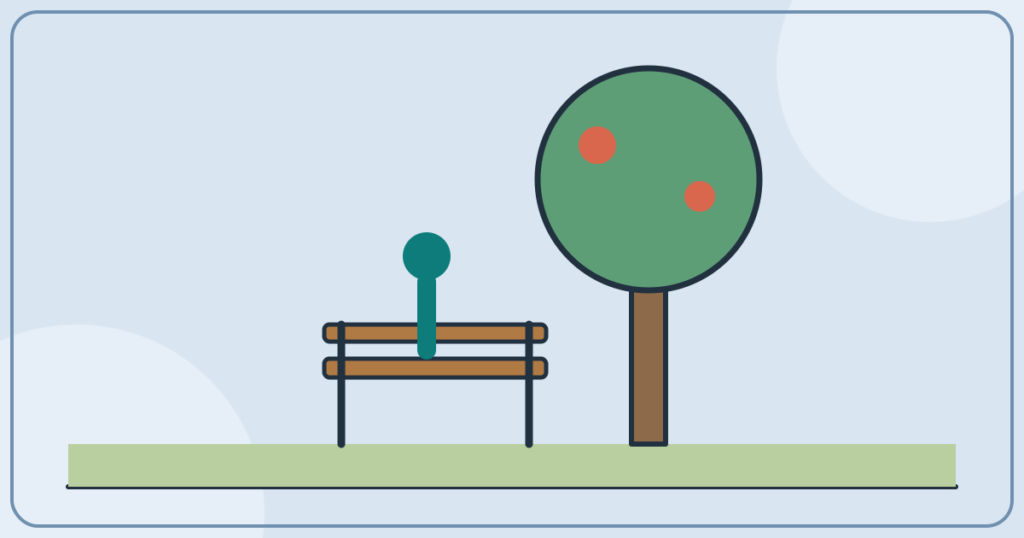
Turning Loneliness Around
Turning Loneliness Around

Do not let loneliness wear you down; wear it down instead. Four practical ways to step out of sorrow and disappointment.
Turning Loneliness Around

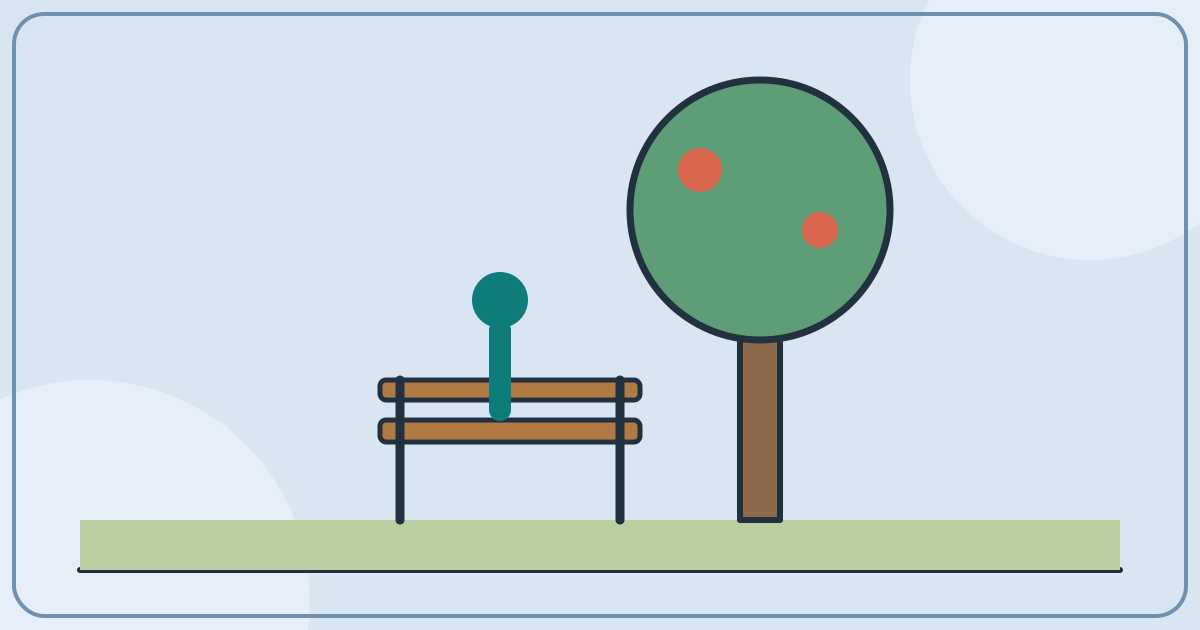
Do not let loneliness defeat you. Defeat the loneliness instead, and step out of the grip of sorrow and disappointment.

Loneliness is a pain that weighs heavily on the mind. If you sense it creeping in, these steps can help you deal with it.

Give your time to others

Volunteering brings you into contact with new people, and it also offers the chance to feel for others. Look for a local children’s home, a club, a charity or any group that helps people without seeking reward or payment. The unselfish work you do will broaden your outlook and lift you out of loneliness quickly. It will also make you feel good about yourself.

Try new hobbies

Perhaps you already keep a few pastimes that keep you company when you feel alone. Deep loneliness, though, can make even favourite pastimes feel dull. So explore something new, something you have never tried. Play a sport you have never played, or set off on a short hike. Let yourself loose and discover the wide world around you. You will not feel lonely for long.

Join a club

If you have felt isolated lately because there is little to do or you have few friends, perhaps after moving to a new town, joining a club is one of the best remedies. Choose one built around activities you enjoy, and you will meet plenty of like-minded people. You will connect with some of them at once and make a few good friends. That alone will help you feel lively again.

Learn to enjoy your own company

Last but not least, one of the best answers to loneliness is to start loving time on your own. Enjoying solitude is an art in itself. Once you learn to like being alone, you may find that solitude is actually good for you. There is so much you can do on your own. You answer to nobody for what you choose. You do not have to weigh up other people’s opinions and moods when you make plans. Once you see these advantages, you will stop feeling bad about being alone.
Life Lessons

The Ant Who Wanted To Be Free

The Ant Who Wanted To Be Free

An ant tired of rules and queues dreams of the carefree life of beetles and ladybirds. One windy day she sees her world from above, and changes her mind.

The Ant Who Wanted To Be Free

Long ago there lived an ant who had grown weary of ant life. Nothing about it pleased her. The rules felt rigid and endless. She resented the long lines, the waiting, and doing the same task as everyone else on command. She envied the ladybirds and beetles, who seemed to roam wherever they liked without a care.

Up on the wind

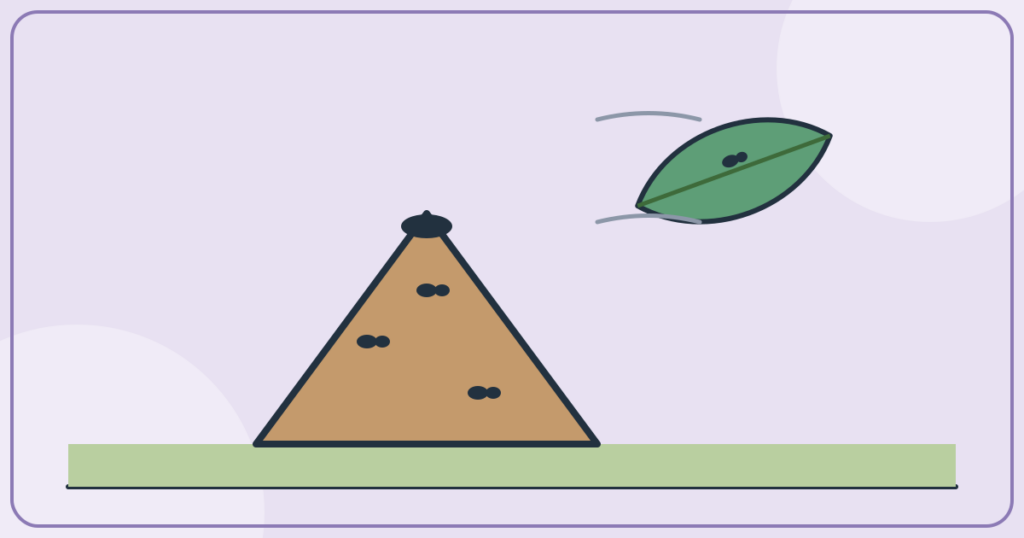
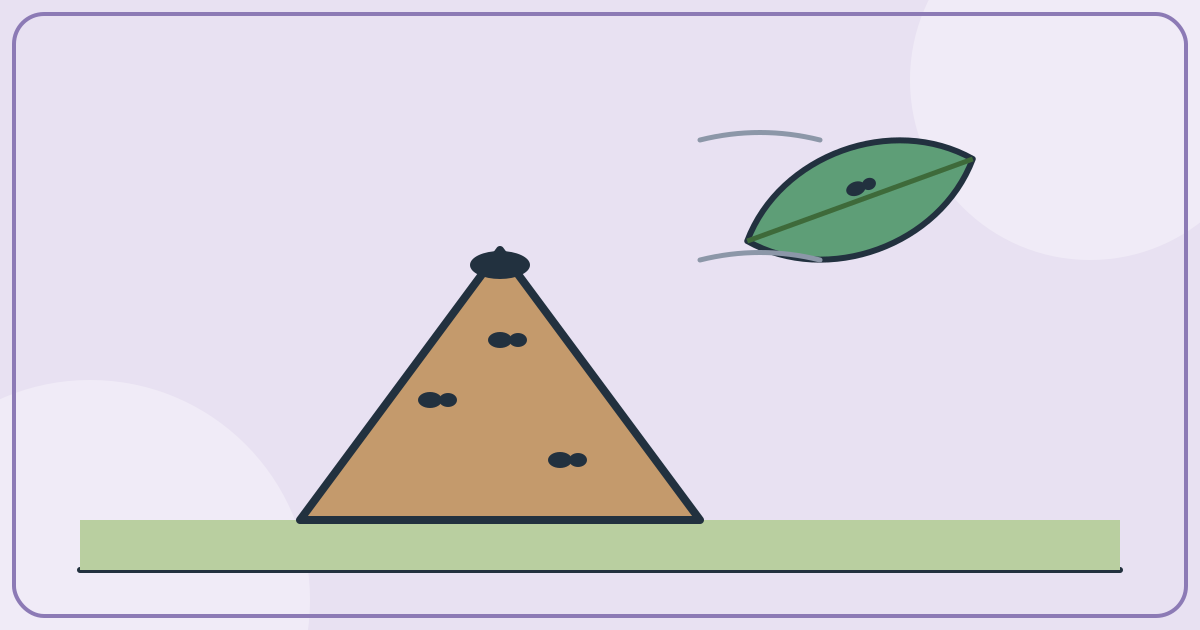
She longed to escape and tried every way she could think of. Then one blustery day a broad leaf came tumbling by. She clung to it, and the wind carried the two of them up and up. Soon the creatures below shrank to nothing, too small to see. And then something astonishing rose into view above the grass and leaves: her own colony’s great mound, standing tall for all to see.

What she saw from above

Nowhere could she spot a home made by beetles or a nest built by ladybirds. No other creature had raised anything at all. Only the ants had. In that moment she understood that the very rules she disliked, the readiness of each ant to put the colony before itself, the discipline and the shared labour, were what had made something so much grander than anything the others could manage. For the first time she was glad, even proud, to be an ant.

Working together

Real teamwork means many people pulling towards one shared aim. Meeting is where it starts; sticking together is how it grows; pulling together is how it wins. That shared effort is what lets ordinary people reach remarkable results. It rests on trust. A team succeeds or fails as a whole, and a group full of brilliant individuals who will not cooperate achieves very little. So if you hope to accomplish more, keep yourself organised and in step with others.

The moral: order and shared rules make great things possible.

Do It Yourself

Small Changes That Cut Household Waste

Small Changes That Cut Household Waste

Living greener does not mean moving to a treehouse. A few small habits at home can shrink the rubbish you throw out by a surprising amount.

Small Changes That Cut Household Waste

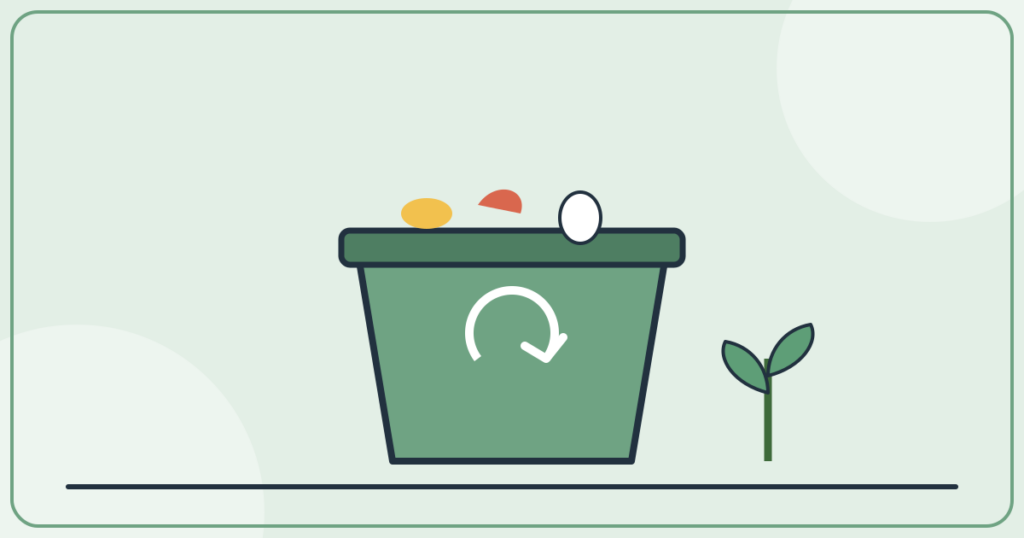
Living more gently on the planet does not require a dramatic change, such as moving into a treehouse or gathering wild herbs for dinner. A few small adjustments to daily life can cut the amount of rubbish you produce by a surprising amount.

Get your bills online

Most companies now let you receive bills by email or through an online account. Choosing that option removes a great deal of unwanted post and paper, much of which you probably throw away without even opening.

Compost your scraps

If you enjoy gardening, keep a small bin on the kitchen counter where you can drop food scraps, including fruit and vegetable peel, eggshells and used coffee grounds. Composting turns leftover food and other natural waste into a dark, rich material that feeds the soil and helps plants grow.

Buy loose and in bulk

Shopping from bulk bins cuts down on wrappers, saves money and lets you sample unfamiliar foods a little at a time. Bulk stores usually have rows of bins with scoops, so you can take exactly as much as you want.

Carry your own bags and jars

A cloth bag is the simplest green habit of all. Avoid plastic bags altogether by keeping a reusable bag, many of which fold up small, in your handbag or vehicle. If you are going bulk shopping, take jars with lids for anything liquid.

Health & Body

Simple Ways To Keep Your Memory Sharp

Simple Ways To Keep Your Memory Sharp

Everyone forgets things: keys, errands, even a name. You need no special remedy to remember better. Three everyday habits help keep the mind sharp.

Simple Ways To Keep Your Memory Sharp

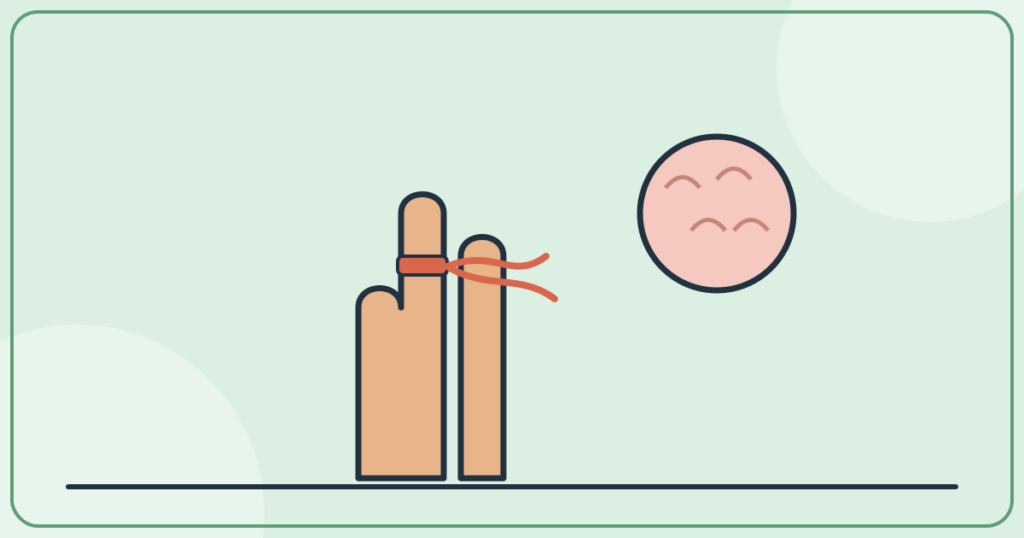
We all forget things to some degree. Some of us lose track of our keys, some forget why we went to the shops, and some even forget people’s names. Unless the cause is simply a late night or exam stress, it is worth working out why your memory is slipping and tackling it sensibly. You do not need costly remedies to remember better. These everyday habits help.

Keep learning something new

Memory works a lot like a car: if you do not use it, it lets you down. To strengthen your memory and keep your mind focused, learn something new as often as you can. There is no secret formula for a long life, but people who live well into old age often share one habit: they keep using their minds. Learn a new dance, a new language or a new game, anything that appeals to you. It will help your memory, teach you new skills and bring new friends along the way. Being with other people matters a great deal for a healthy mind too.

Look after your fitness

Health experts widely agree that exercise such as swimming, running and other activities that raise your heart rate helps protect memory over the long term. To keep your memory strong and your mind clear as you grow older, exercise your body as well as your mind. Activities that get your heart pumping are a good choice, because they increase the flow of blood to the brain.

Practise quiet focus and better breathing

Quiet sitting practice is often oversold as a cure for everything, but it does bring real benefits. It helps you relax and concentrate, which is good both for your brain and for your general health. Most such practices involve slow, deep breaths, which also help memory and calm the nerves. Do it for a couple of minutes a day and you may find yourself sitting straighter, feeling more positive and more energetic. Best of all, it costs nothing.

Mind & Habits

Most Of What We Fear Never Happens

Most Of What We Fear Never Happens

Worry feels useful, even protective. Mostly it is a habit we have worn for years. Letting it go means changing how we see ourselves.

Most Of What We Fear Never Happens

If we could get a grip on the worry that grabs our minds so often, so constantly and so often without our noticing, we would greatly improve our chances of a longer, happier and more successful life.

Why worry feels like home

Whatever you have been doing for years, perhaps decades, feels familiar and comfortable, even when it is something as harmful as worrying. Taking a leap into the unknown and making a change that might turn out well can feel more frightening and more uncomfortable than staying with what you know, even if what you know is worse for you in the long run.

Deciding to let it go

At some point you have to make up your mind to let go of that old, familiar part of yourself. You have to fill the space that worrying used to take up with new ways of thinking. That may feel strange at first, because it is not as familiar as your old thoughts. It can be both scary and exciting. You are no longer just someone who sees themselves as a worrier and uses a few tricks to worry less. You are making a deep change to who you are and how you see yourself. You are letting go of something that has been a big part of you and leaving it by the side of the road.

What worry really does

Worry wastes time and drains our energy. We believe all our worrying will somehow help. We believe that if we worry enough, we might stop bad things from happening. The truth is that worrying about everything, whether it happens or not, does not protect us at all.

Choose gratitude instead

So be thankful for the things you do have, and do not dwell on circumstances you cannot control. Keep your thoughts on the good things.

Life Lessons

Breaking Out Of The Loop

Breaking Out Of The Loop

Many people long for a fresh start but fear it is too late. The walls that keep us looping through the same days are mostly built in the mind.

Breaking Out Of The Loop

Sometimes people reach a point where they simply want to begin again, yet they are afraid to try. It is never too late.

Have you ever found yourself in a situation where you know things are just not working? Whether in your relationships or in your work, you may feel stuck and unhappy with how things are. The good news is that as the world keeps changing so quickly, there are more chances than ever to do things that once seemed impossible after a certain age or a certain stage of life.

Age is a state of mind

Age is largely an idea we have agreed on together, and it should not decide or limit what you are capable of or what you aim for. But there is more to it than that. A fresh start goes beyond outside factors such as time and age. It is about you: your willingness to accept challenges and your determination to break free from your present situation.

What limitations really are

To break free from our limits, we need to step back and see clearly what limits actually are. On the surface, they are things that stop you from doing something. Look deeper and you find they are what keeps you trapped in a loop. They keep you facing the same problems, making the same choices and taking the same actions again and again. Your limits shape the quality of your life. So if you want a better life, you have to break out of the limits that keep you going round the same circle day after day, month after month and year after year.

It starts with how you see things

It may seem that your limits are beyond your control, or simply things that happen to you. But the reality you live in comes from the way you see it. Learning to steer how you look at things is the key to breaking free and starting over. In that sense, every limit begins in the mind. You can learn to take charge of your limits, and with them, your dreams.

Life Lessons

When Life Turns Grey

When Life Turns Grey

Sometimes a run of bad luck seems to swallow everything. Four practices help you find your way back to a better life.

When Life Turns Grey

There will be times when life turns truly awful. One thing follows another until it feels as though bad luck or misfortune has swallowed you whole. How do you climb back towards a good life when that happens? A few ideas follow.

Look up

Put your attention on what is within your power today. What matters is accepting life as it really is, full of ups and downs, joys and sorrows. Fight that truth and you turn sour, resenting life for its hardness.

Gather a circle of support

The road back to warmth and love is far shorter when caring people walk it with you. However often you promise yourself not to dwell on the bad things, there will be moments when you do. That is when your circle matters most.

Reconnect with nature and with yourself

Quiet reflection, singing, drumming, dancing, gentle stretching or slow movement in the open air: all of these can help you come back in touch with your own mind.

Get going

When you have a rough sense of what you want, chase it. Things may not change overnight, but they will start to move. As soon as you put your energy into things you care about and into your aims, your mood starts to lift.

Life Lessons

The Candle That Feared Burning

The Candle That Feared Burning

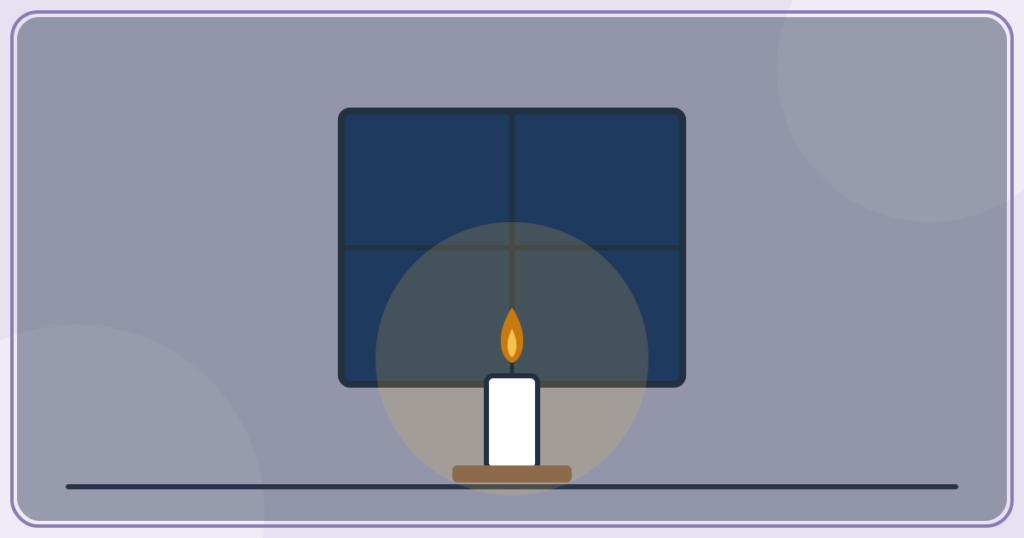
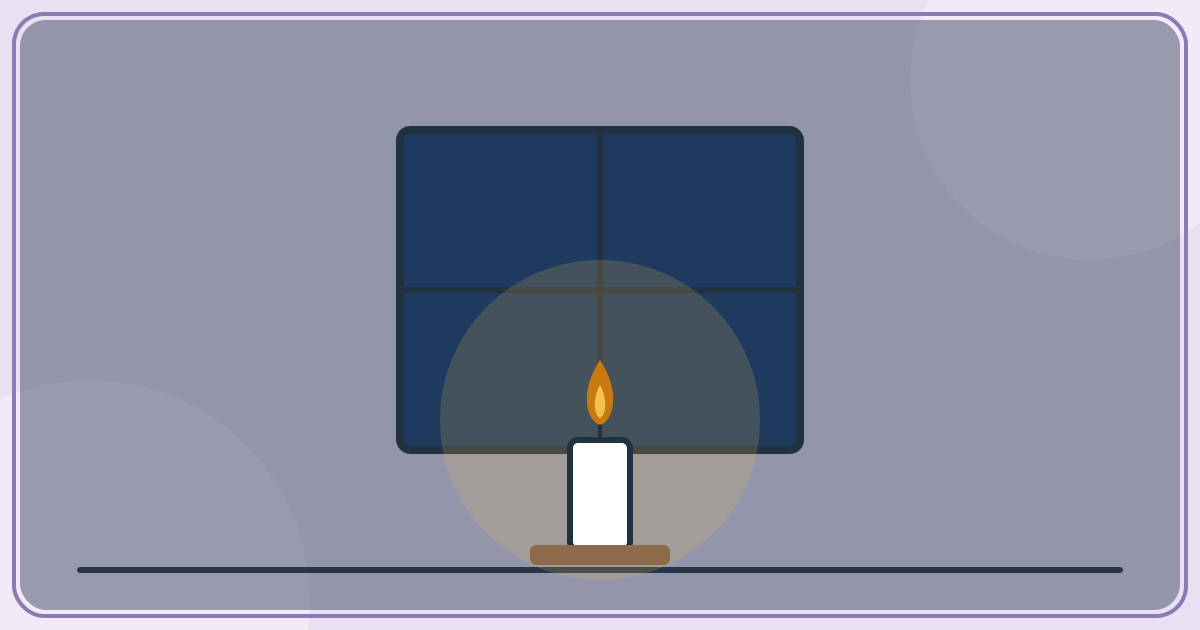
A fine candle longs to be lit, then panics as it starts to melt away. A small fable about what we give and what it becomes.

The Candle That Feared Burning

A fine wax candle lay stored in a box with many others just like it. It grumbled that it had been sentenced to a useless life of idleness. “What good is a candle that never burns?” it asked. “Is that not the very thing I was made for?”

A grand ornamental candle beside it offered comfort. “Be patient. Your moment is coming.”

At last, the flame

In time, the candle was lifted from the box, set in a handsome holder and lit. Now it was content. Its calm glow filled every shadowy nook and shone out through the glass, visible from a long way off.

Then, the fear

After a while the candle noticed that it was getting shorter, even though its flame burned as brightly as ever. “What is happening to me?” it cried when it realised. “With every moment I grow smaller. Trees do not have this trouble; they only grow bigger. Why should my reward for giving light be to lose my very self?”

The answer

Then the ornamental candle answered. “What is there to fear? Can you not see that you have been turned into light? Even people seldom manage that. The light that leaves this room becomes brightness somewhere else. All of us must burn, whether in a grand hall or a humble hut, and each of us carries the same message: that the time of darkness will one day come to an end.”

What we give of ourselves is not lost. It goes out into the world and lights someone else’s way.

Life Lessons

The Frog Who Could Not Hear

The Frog Who Could Not Hear

Two frogs fall into a deep pit while the crowd above shouts that there is no hope. One listens. The other keeps jumping. A fable about the weight of words.

The Frog Who Could Not Hear

A group of frogs was travelling through the woods. Right in the middle of their path lay a deep pit, and as they made their way between the trees, two of the frogs tumbled into it.

The others gathered around the edge. When they saw how deep it was, they called down to the two frogs that there was no hope of ever getting out.

Waiting for help

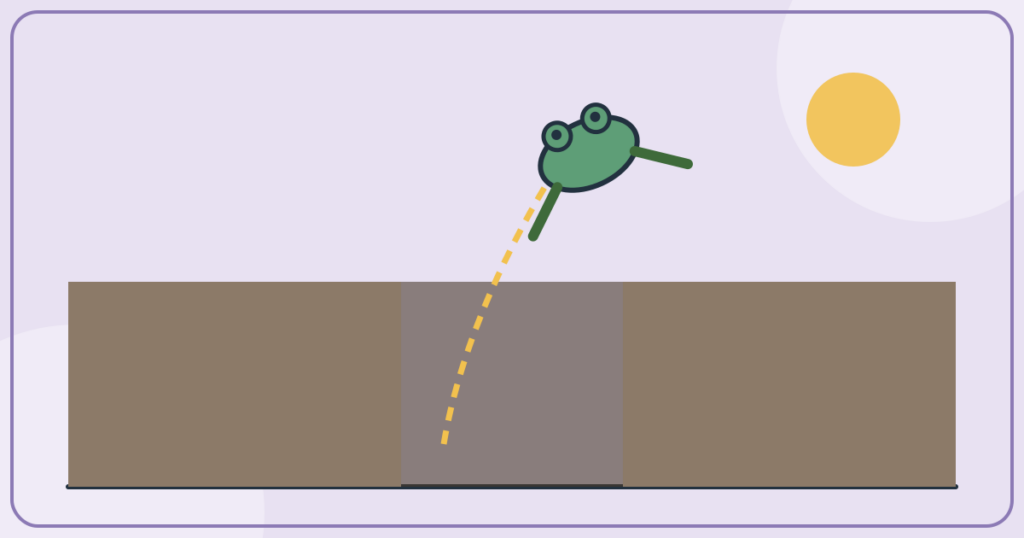
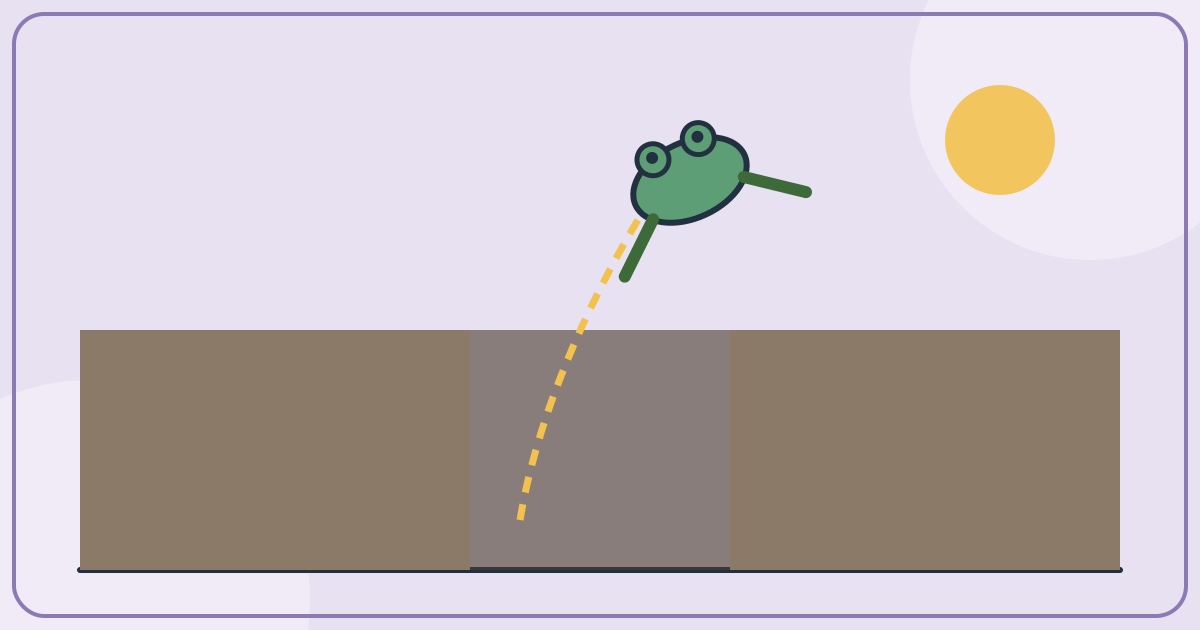
Down in the pit, the two frogs were frightened and did not know what to do. They hoped someone would find a way to save them. They waited a long time for help, but none came. Above them, the crowd kept saying it was impossible to survive. So the two frogs decided to ignore the voices above and try to jump out by themselves.

Two different endings

However hard they jumped, the frogs at the top kept shouting that they should just give up, because they would never escape. In the end, one of the two took those words to heart. He stopped trying, fell back and died.

The other frog kept jumping with all his strength. The crowd yelled at him to stop putting himself through the pain and simply accept his fate. He paid them no attention and kept on trying. He jumped higher and higher, until at last he made it out.

When he climbed free, the other frogs asked him, “We were shouting so loudly. Did you not hear us?” The frog explained that he was deaf. He had not heard a single word of what they were saying. In fact, he thought they had been cheering him on the whole time.

The lesson

Words can have an enormous effect on other people’s lives. Think about what you say before it leaves your mouth. It might be the difference between someone giving up and someone climbing out.

Health & Body

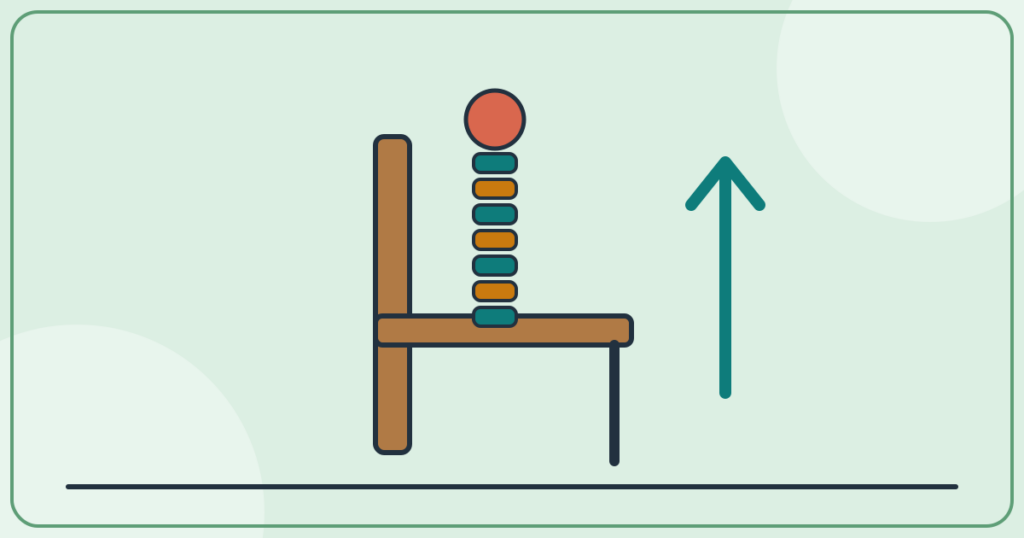
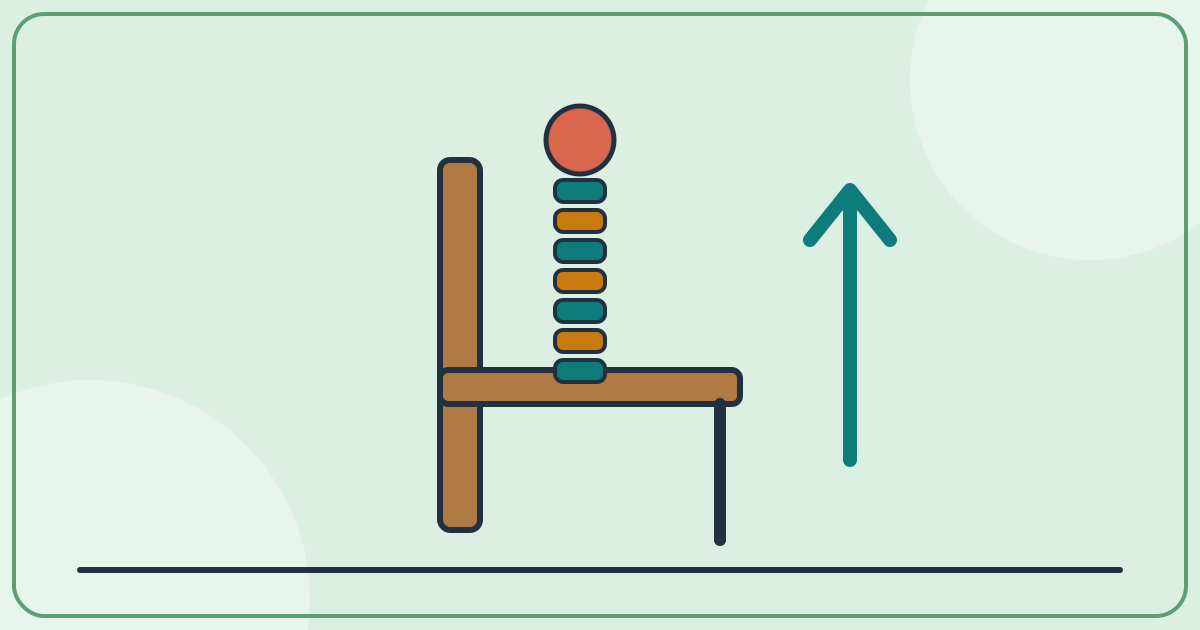
What Changes When You Sit Up Straight

What Changes When You Sit Up Straight

Good posture is one of those habits we keep putting off. Pull your shoulders back and you may be surprised by how much it changes.

What Changes When You Sit Up Straight

Good posture is a very important part of a healthy life, yet it is something most of us keep postponing, much like cutting down on coffee or watching less television. You may not realise how many ways standing and sitting straighter can affect your life. Here are the changes you can expect once you finally stop slouching.

More energy

Tired at the end of a long day, we slump into the chair, thinking the body will rest. The opposite happens. Your muscles have to work harder to hold you up. Sitting upright is in fact the least tiring way to hold yourself, so you will have more energy and feel less worn out.

Less pain and less tension

Good posture means less strain on your joints and back, which helps prevent injuries and aches later on. When you slump, your lungs cannot work to their full capacity. Sitting upright opens your airways and improves circulation, easing tension and pressure.

Easier on the joints

Poor posture can do real damage to your joints. Good posture keeps your muscles aligned and balanced, reducing the load on your joints and the risk of injury.

Less stress

Good posture can lift your mood. It brings fewer aches, more energy and more confidence. It is a fairly small change to make, but it can bring big results. Sometimes the smallest things make the biggest difference.

Fewer headaches

If you often get tension headaches, poor posture may be partly to blame. Keeping good posture can help, though persistent headaches are always worth raising with a doctor.