Tag: Kids

Relationships

Four Myths About Conversation

Four Myths About Conversation

Used well, conversation brings real results. Yet most of us carry a few mistaken ideas about it. Here are four worth dropping.

Four Myths About Conversation

When you use conversation in a meaningful way, it can bring real results. Yet most people hold a few mistaken beliefs about it. Here are four common ones.

Conversation is only small talk

Chatting about the weather or about coffee is part of conversation, but that is not all conversation is. A good conversation spends as much time as it can on meaningful and truly engaging subjects.

Small talk is pointless

Small talk is still part of conversation. The fact that it deals with everyday topics does not make it worthless. It is often the doorway into deeper talk.

Conversation means being fake

Some people certainly do put on an act when they talk, pretending to like things they do not and trying to be someone they are not, just to please whoever they are talking to. Not everyone is like that, because a real conversation is not an exercise in pleasing people.

Most people are too dull to talk to

To find people who are good at talking, you will have to get through some who are not good at it at all. And very often, the same person who seemed dim and dull turns out to be quite intelligent once you get the chance to know them properly. Not everyone who falls short of your first expectations is foolish or not worth your time.

Life Lessons

Rules For A World-Class Life

Rules For A World-Class Life

You are already enough to be a world-class human being, without pretending to be anyone else. Four rules that people of real character live by.

Rules For A World-Class Life

You are already good enough to be a world-class human being without pretending to be someone else. So accept your own qualities and offer them freely to others. Here are a few rules that people of real character live by.

Always do the right thing

People of this kind see no reason to lie or to stretch the truth. Truth needs no memory; a lie needs a good one. Most people lie out of insecurity or fear, and then must keep checking that every later word supports the first falsehood. One lie keeps feeding the next.

Live by your standards, principles and values

Such people do not let their standards slip to suit their surroundings. It is easier to bend, or to wear a mask, simply to dodge confrontation. Over time, though, people will respect you for standing by your values, even when those values differ from theirs. Remember that most people make decisions from their emotions, their feelings or their fears. People of character base everything on their values and principles.

Value your word above all else

Simply by doing what you say you will do, you are already ahead of most people in a society that does not value its word. Be dependable, and trust, respect and goodwill follow on their own. You will also reach more of your own goals, because you no longer accept excuses or easy ways out.

Be authentic

People of character do not try to be someone or something they are not. Sadly, authenticity grows rarer by the day. The good side of that is that real authenticity now shines like a beacon in the night. So always be your own unique self instead of trying to live up to what others expect of you.

Mind & Habits

Four Ways To Quiet An Overthinking Mind

Four Ways To Quiet An Overthinking Mind

Everyone overthinks now and then, but too much of it harms our health. Four practical ways to turn down the noise in your head.

Four Ways To Quiet An Overthinking Mind

All of us overthink at times. Too much of it, though, is bad for our health. Here are four ways to quiet a mind that will not stop turning things over.

Spend time alone with your thoughts

Overthinking tends to flare up when outside drama and other people’s noise crowd in on us. Once our own thoughts are mixed in with everyone else’s opinions, it becomes hard to tell where ours stop and theirs start. Time on your own lets you hear what you actually think.

Stop chasing approval

Very often it is the hunger for approval that is quietly damaging our lives. We turn over and over what it will take to belong, to win affection and to be accepted. Wanting everyone to like us makes us miss new opportunities, shy away from risks and avoid new connections, all out of fear of being judged.

Change the way you talk to yourself

Start noticing the messages you give yourself, because self-talk sits at the root of all overthinking. We keep justifying what we do, playing down what we achieve and explaining away our own hard work. Doing that belittles both the value of our work and our sense of self-worth.

Think bigger

At first it may seem that thinking bigger would only make overthinking worse. In fact the opposite is true. Thinking big keeps your attention on big things, and when your mind is busy with what really matters, there is no room left for petty irritations to creep in and take over.

Relationships

How To Say No Kindly

How To Say No Kindly

We fear that saying no will hurt a friendship or a job. It usually does the opposite. A simple four-part way to decline warmly and firmly.

How To Say No Kindly

At home and at work there are times when requests pile up and we would much rather say no. Many of us believe that refusing will hurt or anger the other person and end the friendship, or even cost us the job. It rarely does. More often it does the opposite. So stop feeling bound to say yes when you mean no, and try these simple steps.

Open warmly

Begin with something like, “You are a really good friend and I truly value working with you.” Starting on a positive note shows that you care about the relationship.

Decline plainly

Then say, “But I have thought it over and decided that I cannot help.” There is no need to explain in detail why you will not lend money or work at weekends. Avoid any reason that invites an argument, such as “I have too much on my plate right now, so I would not be able to do what you ask.” That only opens a debate.

Show you understand

Add, “I know you will be disappointed.” Empathy shows that you are aware of the other person’s feelings, and it matters a great deal.

End on a positive note

Close with something like, “I hope you understand, because your friendship matters to me,” or “This way I can focus on my work, which will be better for all of us.” Finish on an upbeat note that points to the benefit for both of you.

Mind & Habits

Why Some People Are Always Late

Why Some People Are Always Late

Anyone can be late now and then. Being late every single time is a pattern with causes researchers understand, and with practical fixes.

Why Some People Are Always Late

We all have a friend who is never on time. Perhaps you are that friend. Researchers have looked into why some people are late again and again, and what can be done about it.

Anyone can run late a handful of times. Being the person who is always at least five minutes behind is something else, a frustrating and inconvenient habit that may partly come from personality. What makes some people miss trains, slip into a wedding after the ceremony has begun and keep their friends waiting time after time? And why is the habit so stubborn?

The paradox

Decades of research have turned up a handful of revealing traits. Lateness comes with all kinds of penalties, yet the strange part, as one social psychologist observes, is that people keep running late even though those penalties and consequences exist.

We misjudge how long things take

One of the most common reasons people are late is that they badly misjudge the time a task needs, a bias psychologists call the planning fallacy. Research has found that people underestimate the time a task needs by as much as 40 percent.

Multitaskers run later

A second trait, probably linked to the first, is that habitual latecomers are more likely to be multitaskers. One study of 181 underground train drivers in a large American city found that those who preferred juggling several things at once were late for work more often. Juggling tasks makes it harder to stay aware of what you are actually doing and how long it is taking. For people who keep underestimating tasks, breaking an activity down into very detailed steps helps them judge more accurately how long it will take.

How to break the habit

If you recognise yourself as a habitual latecomer, there are ways to fight back. Look again at your routine and time each part of it with a stopwatch, not with the clock in your head.

Remember too that your lateness does not only cost you. It costs everyone who is waiting for you.

Finally, give up split-second timing, the most familiar sign of a habitual latecomer. Instead of announcing “I will be there in 23 minutes”, say “I will be there in 30 minutes”. Nobody reaches anywhere in precisely 23 minutes. If you could manage it, you would not be someone who is always late.

Life Lessons

See The Roses, Not The Thorns

See The Roses, Not The Thorns

We judge people within a second of meeting them. Taking a few more seconds to look for the good changes how we see others, and ourselves.

See The Roses, Not The Thorns

Just as people speak of love at first sight, we are also quick to pass judgement at first sight. It is in our nature to size up the person in front of us, to decide whether we can trust them, whether to be friendly or whether to stay on our guard. Within a fraction of a second we have formed opinions and slotted people into stereotypes, often based on nothing more than what we do not know about them.

The extra few seconds

What we usually fail to do is spend a few more seconds getting a sense of what lies inside another person, above all the good in them. It is far easier to pick out faults and dwell on the bad, even in small actions. The habit works in our favour when we reverse it. The better we get at finding the good in other people, the better we get at seeing the good in ourselves.

A rose bush or a thorn bush

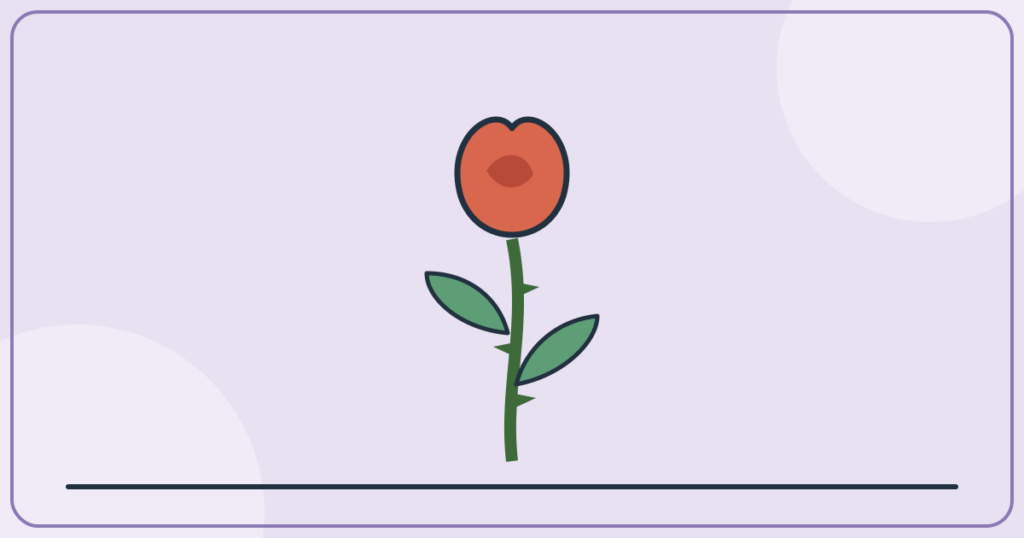
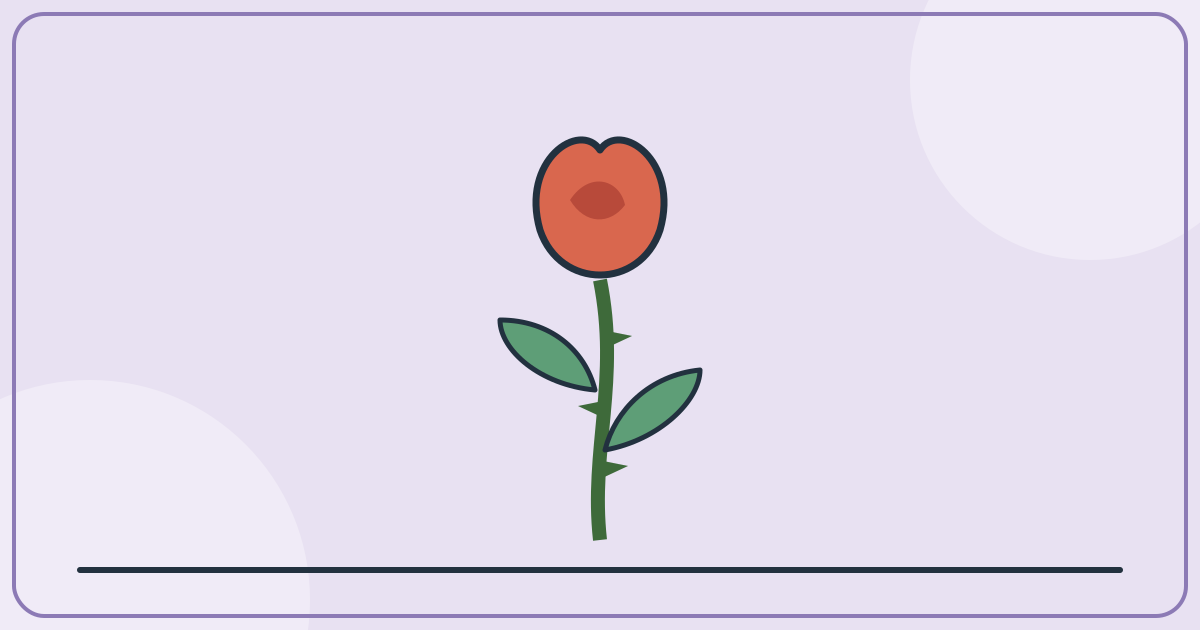
Instead of complaining that a rose bush is covered in thorns, be glad that a thorny bush carries roses. This outlook does not change the bush. It does help us love it.

It takes a little work

Seeing the good in others is not always easy, but with a little effort it is far from impossible. Each of us has been shaped by positive and negative people and circumstances that made us who we are, unlike anyone else. When we see the good in people, it becomes easier to want to help them. Together we then set off a cycle of positive change that grows and gradually changes whole communities.

Find the good in people

People often say, “Find good people and leave the bad ones.” A better version might be, “Find the good in people and overlook the bad in them.” Nobody is perfect.

Life Lessons

Good Behaviour Still Matters

Good Behaviour Still Matters

Being called well behaved is a compliment we rarely hear now. Good manners make life easier for you and everyone around you. Here is how to build them.

Good Behaviour Still Matters

“What a well-behaved young person!” is a compliment we hardly hear these days. Every young person has good moments and bad ones, but behaving well makes life far easier, both for you and for the people around you. Good manners strengthen positive behaviour and build social skills. Here is how to make sure yours are excellent.

Reward good behaviour

When you behave well, give yourself credit. Make a point of noticing how happy it makes other people when you are courteous. That shows you that good behaviour is noticed and valued, and it teaches you which behaviours people welcome. Examples include speaking calmly in a tense moment, sharing, tidying up, taking turns and helping with chores. Afterwards, treat yourself to a small snack you like or something you rarely get to do.

Build your character

Understand that empathy matters more than sympathy. A well-behaved person always thinks about how others feel. When you are tempted to respond badly, stop and ask how you would feel if someone treated you that way. Practise good manners, because as with everything, practice makes perfect. Say “please” and “thank you” in everyday conversation, even with your parents and friends. Build good habits and good manners will become second nature. Develop patience too. Getting everything instantly does little to build character, so learn to wait for good things instead of expecting them the moment you ask.

Practise self-discipline

In stressful moments especially, calm yourself first. Do not try to solve problems while you are angry or upset. Take time to cool down by breathing deeply or stepping out of the room for a short while. Learn that disagreements can be settled without heat or hurt. Do not be too hard on yourself, though. Even well-behaved people have the occasional outburst, especially when they are young. Work through difficult feelings by talking to someone you trust who understands you. Instead of worrying, learn to think calmly about a solution. Finally, remember that well-behaved people set their own limits so that nobody else has to. Be consistent in your self-discipline and set clear consequences for yourself. Choose one that fits the slip, so it is fair and not too harsh. Perhaps ten extra minutes on the exercise you like least?

Watch and learn

Observation is a very useful tool here. How well does your favourite film star behave? Perhaps you could follow their example and be just as polite. Or perhaps you have read a classic novel full of characters who behave impeccably. Either way, motivate yourself to behave well by learning from someone, real or imagined.

Who can help

You do not have to do this alone. A trusted relative such as a parent or a brother or sister, a close friend who wants the best for you, your partner, and inspiring people through their books, videos and podcasts can all help you improve.

Life Lessons

Five Sentences That Can Change Your Life

Five Sentences That Can Change Your Life

Life is built from choices and shaped by words. A single sentence can sink a day or lift it. Here are five worth carrying with you.

Five Sentences That Can Change Your Life

Life is made of choices and shaped by the words we use. If you want to change your life, change the way you speak about it. In a sense you are always predicting your own future through the way you think and talk about how things will turn out. One harmful sentence can wreck someone’s life, make their day or alter their mood. Words carry that much power.

All of us need a push now and then to do better, be better and learn better. When things get hard, we have to find a fighter’s spirit to keep going towards a fulfilling life. These few sentences can change your life and give you some perspective.

How we spend our days is how we spend our lives

Most of us sense this already, yet it slips our mind, above all when we fall into a rut and forget that the days are what a life is made of. Recall it when you are about to give up on a day because it started badly, or when you are about to repeat a bad habit that will not help you get today’s work done. A lifetime is simply a collection of single days, so it makes sense to get the most out of each one.

We see the world not as it is, but as we are

This idea can change the way you see the world. Reality is one thing; our view of it, filtered through who we are, is another. That is why it is always worth questioning your own perception and asking whether things really are as you see them. It helps most when you start believing there is no other way to see something than your own. It can calm a big argument, or even a small disagreement, instead of letting a misreading stand.

Failure is an event, not a person

This sentence is a fine way to steer yourself onto a different path. Hold your chin up and lean towards hope, even on days when you feel neither capable nor successful. Reach for it in the thick of a setback, when you start scolding yourself for falling short. It reminds you not to call yourself a failure, because failure is something that happens, not something you are.

Waiting only makes you older

There is never a better moment to start than now. Delay simply lets the clock run while nothing moves you closer to your goal. One day you may look up to find the time gone and yourself still waiting. Think of this when a big decision keeps getting postponed, or when you are holding off until everything is “perfect”. That perfect moment probably never arrives, and you will wish you had started sooner so you could already be enjoying the results.

Every journey has secret destinations the traveller does not know about

The destination matters less than being ready for the journey. Discovering places you love that were never on your map is one of the hidden rewards of choosing to move towards your dreams. This helps most when you feel you are not getting any closer to where you wanted to be. You may already have arrived somewhere you did not plan for, and be blind to how good it is simply because it is not exactly what you had in mind.

Mind & Habits

Responding Well When You Are Offended

Responding Well When You Are Offended

Someone says something that stings. They think it was funny; you found it rude. A gentler response usually works better than a sharp one.

Responding Well When You Are Offended

Someone makes a remark that leaves you uncomfortable straight away. They think they are being amusing, but what they said was inappropriate and perhaps even offensive. How do you handle a moment like that?

None of us is perfect, but there is a right way to deal with a wrong. A softer approach is far more likely to end well. So whether it is a disagreement with friends or a problem at work, these are good ways to respond when you feel offended.

Do not assume the worst

If you choose to say something, go into it as though the person did not mean to hurt you. Most of the time they simply have no idea how their words came across. Be kind about it, since you have very likely made similar slips yourself. Saying that you have been in the same position can make the other person less defensive and more willing to hear your side.

Be careful with your feelings

Emotions will rise, but do not let them decide how you react. Sometimes the best response is none at all. If a response is needed, it can help to wait, take a moment to think about what actually happened, and work out how to reply gently. Avoid picking the episode apart and filling in the blanks, which can turn it into something bigger than it really was.

Be clear

Ask yourself whether an offence really took place or whether it was a misunderstanding. Decide in advance what you want to say. Writing down your main points can help you get them straight in your own mind. Then describe what happened, as you saw it, in simple terms the other person can easily follow.

Do not accuse

Avoid accusations. Research suggests that harsh labels provoke far more defensive reactions, because people attach exaggerated meanings to such words and respond strongly. Calling someone out may feel righteous, but nobody wants to be told they are offensive, especially when they did not mean to be.

Try another way

If you decide you would rather not take up the comment, there are other options. You could change the subject. You could also simply wait and see. Sometimes the person who made the remark realises their mistake and apologises on their own.

Mind & Habits

Why We Trust Some Strangers

Why We Trust Some Strangers

We decide in moments whether a stranger can be trusted. Research shows the decision leans on who that stranger reminds us of, often without our knowing.

Why We Trust Some Strangers

Every swindler and every salesperson would love to know the answer to one question: what makes us trust someone we have never met, enough to hand over our money? Research now suggests a large part of the answer. We tend to trust strangers who resemble people we already know and consider honest, and we pull back from strangers who resemble people who once let us down.

What the experiment showed

Researchers at a university in New York ran a series of experiments in which volunteers played a game for money. Some of the players in the game were trustworthy and usually shared the money with the group. Others were untrustworthy and mostly kept it for themselves. The volunteers were then shown photographs of new players. When a new face looked like one of the untrustworthy players from before, people were less willing to risk their money. Their view of a complete stranger had been coloured by how closely that stranger resembled someone they had already met.

Judging without information

As one of the scientists behind the study put it, we decide on a stranger’s character without any direct facts about them. We go on their likeness to others we have known, and we do it even when we are not aware of the resemblance at all.

Why we work this way

Humans have learned to trust people on the basis of how they behaved in the past, because past behaviour shows whether someone is reliable. All day long we make judgements about how honest others are. A stranger, though, offers no reputation and no track record to go on, so the mind reaches for the nearest substitute: the faces it already knows.

A small resemblance is enough

The study also found that strangers were distrusted even when they looked only slightly like someone previously linked with bad behaviour. A faint likeness was enough to tip the decision.

Worth remembering the next time a new face makes you uneasy for no clear reason. The feeling may say more about someone from your past than about the person in front of you.