Anger Hurts You The Most
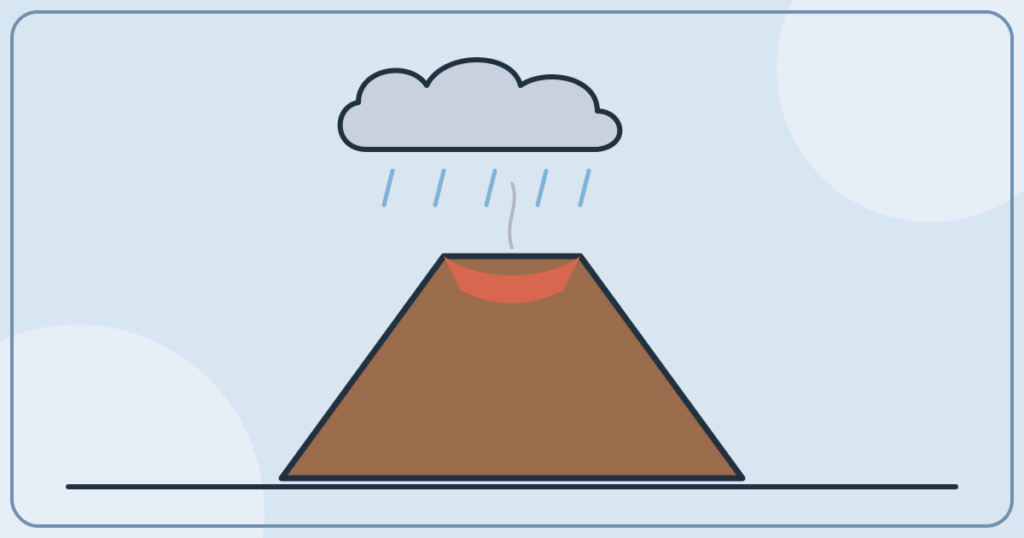
Anger arrives like a sudden storm and leaves us shaken. Understanding where it comes from, and using the breath, helps it pass sooner.
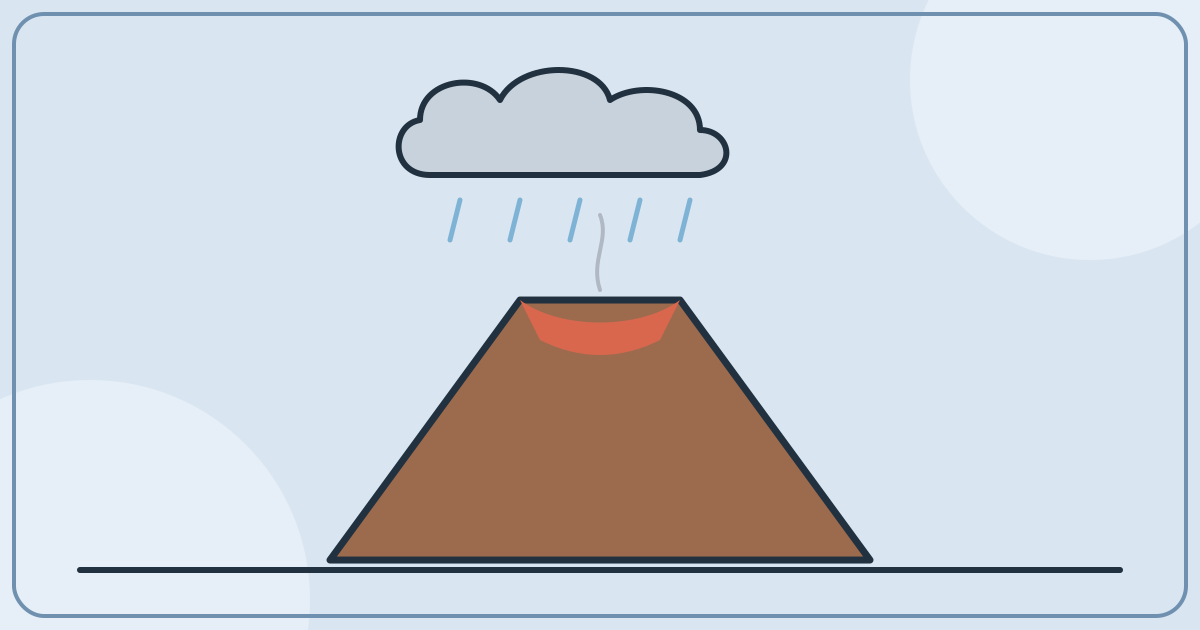
You may tell yourself a hundred times that you will not lose your temper. Then the feeling arrives and you cannot hold it back. It rolls in like a sudden storm. Emotions, it turns out, are far stronger than our thoughts.
One useful way to picture this is the atom. Its heavy core of protons and neutrons sits firmly in the middle, while the lighter, negatively charged particles whirl around the outside. The human mind can be seen in a similar way. Anger and our other negative habits live out on the edge. At the centre, our true nature is calm and caring. Anger is a distortion of that nature. It stops the best in us from showing.
Awareness makes the difference
Showing anger is not always wrong. What hurts you is anger you are not aware of. Sometimes anger can even serve a purpose. A mother may raise her voice or act stern with her children when they put themselves in danger. Some situations truly call for it.
But notice what happens to you when anger takes over. You are shaken from head to toe. Think about the results. Are you pleased with the choices you made or the words you said in that state? Usually not, because in that moment you lost your awareness. If you remain fully aware and only act angry when it is needed, that is a different matter altogether.
Come back to the present
Almost all anger is about something that has already happened. Is there any point in raging at what you cannot change? The mind keeps swinging between past and future. In the past, it is angry about what is done and cannot be undone. In the future, it is anxious about what might happen later. When the mind rests in this very moment, both anger and anxiety lose their grip and begin to look pointless.
Regular calming practices help you stay steady so that small events do not knock you over. So does a little understanding of yourself, of how your mind works, and of where the distortion begins.
We tend to lose our temper most when we are tired and stressed. Every one of us carries good qualities. They are simply buried under misunderstanding and strain. The work is not to add something new, only to uncover what is already there.
Let the breath guide you
Breathing exercises and meditation are very good at settling the mind. The breath has a lesson we have forgotten. Each pattern in the mind has a matching pattern in the breath, and each pattern in the breath carries a matching emotion. So when you cannot manage the mind directly, you can reach it through the breath.
Meditation, in this sense, is letting go of old anger and of past events. It is accepting this moment and living each moment fully. Often anger rises simply because we refuse to accept the present as it is. It also rises when we demand too much perfection. When you are joyful, you stop chasing perfection. If you are always chasing it, you have drifted away from the source of joy.
An early warning system
Becoming more mindful of your thoughts, your feelings and the triggers behind them can act like an early alarm for future clashes. It can also show you whether your anger points to something deeper that would be worth talking through with a professional.