Tag: Seniors

Life Lessons

Your Happiness Is Your Own Property

Your Happiness Is Your Own Property

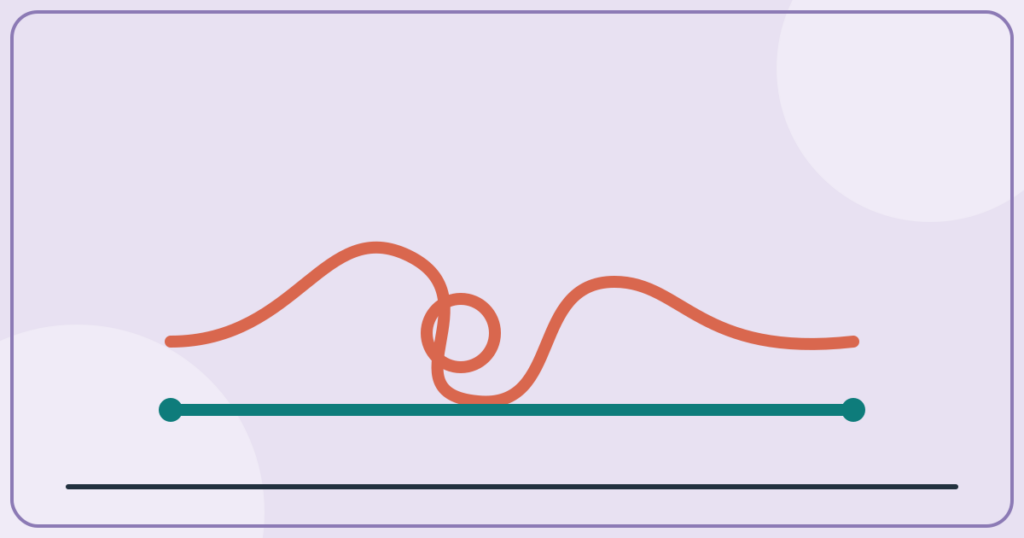
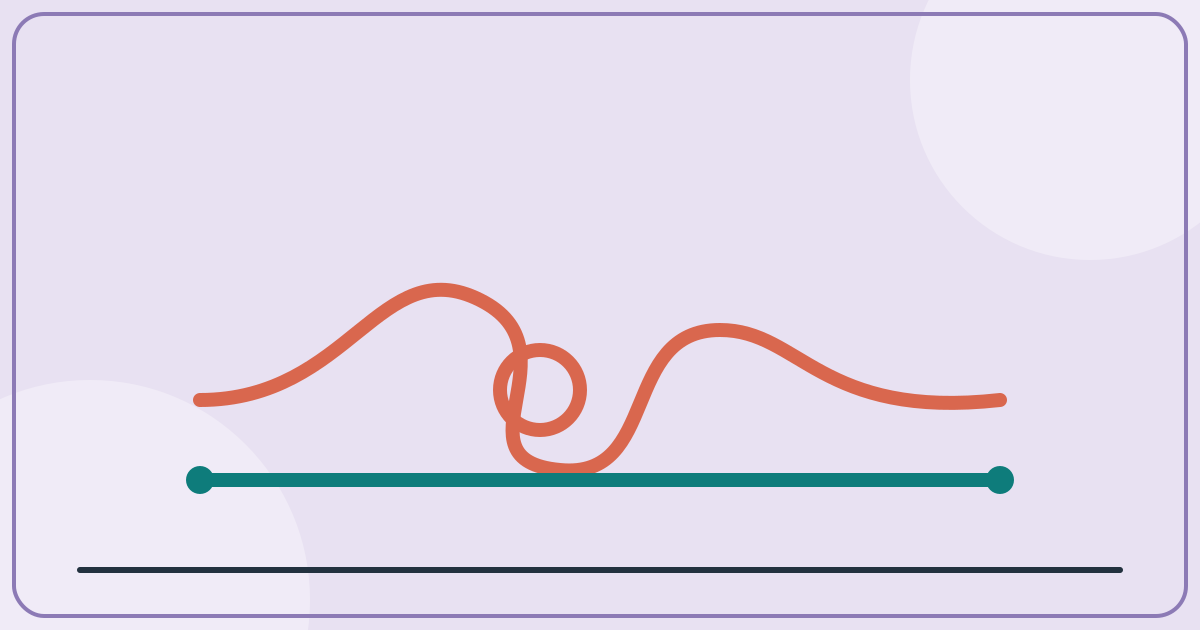
Obstacles arrive and obstacles leave. Your happiness belongs to you, and nothing that is only passing through should be allowed to carry it off.

Your Happiness Is Your Own Property

Whatever hardship lands in front of you, however many obstacles line up, your happiness should not vanish along with your good days.

Obstacles come and go

Every obstacle that arrives will also leave. It comes, and in time it goes. What belongs to you, though, should not leave with it. Happiness is your own property, and like anything you own, it needs looking after.

Think of the guest

Whenever a difficulty turns up, remind yourself that it has come in order to go. When a guest visits your home, you do not expect them to walk off at the end of the visit with everything you own. In the same way, an obstacle may stay for a while and then move on, but it has no right to take your happiness with it when it leaves.

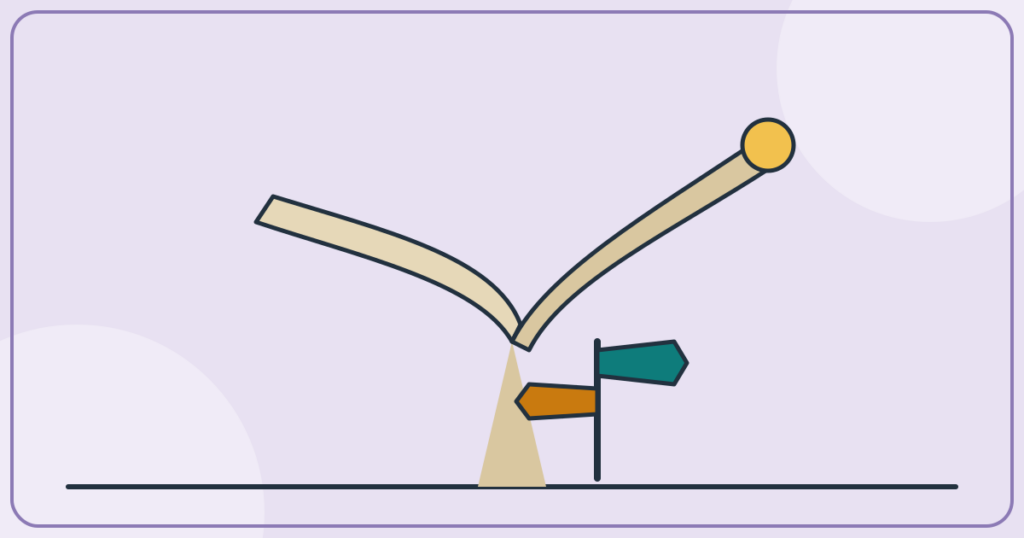
Only you hold the key

Happiness should stay with you through the good days and the hard ones. Other people and events can shake it, but only you have the power to decide whether you remain content. That is not a burden; it is a freedom. Nobody else can hand your happiness out, and nobody else can take it away unless you let them.

A simple practice

Next time something goes wrong, say quietly to yourself: this is a guest, not a new owner. Deal with it, host it if you must, and then see it to the door, with your happiness still safely at home.

Being brave does not mean feeling no fear. It means moving forward while the fear is still there.

Mind & Habits

Stop Being Harsh With Yourself

Stop Being Harsh With Yourself

When life goes wrong, many of us turn on ourselves. Being hard on yourself only adds to the problem. Seven ways to step out of the bitterness trap.

Stop Being Harsh With Yourself

Do you sometimes feel you cannot stop giving yourself a hard time? Being harsh with yourself only makes problems bigger.

When things do not go your way, it is easy to turn hard and bitter. There is nothing wrong with feeling low when life is tough, but remember that bad times do not last for ever. If you can get past the bitterness, the bad times actually end sooner. Avoiding that trap is not always easy, but these steps help.

Find the root cause

Working out what is making you bitter is the first step to recovering. Whether you are going through a breakup and feel the sting of seeing other happy couples, or you are simply unhappy with how your life has turned out, identify the source first.

Make small changes

Changing your life is easier when you do it one small step at a time. If a change feels too big to manage alone, you are probably trying to do too much at once. Taking it step by step works especially well for overcoming bitterness and a negative outlook in general.

Quieten the overthinking

Your mind can be your best friend or your worst enemy. Remember that you do have control over it, even when it does not feel that way. When you are bitter, your mind becomes the enemy, and it gets harder to hold back the negative thoughts that keep circling.

Notice the little things

Learning to enjoy the small things you normally take for granted is a big step towards letting go of bitterness.

Face problems squarely

Instead of punishing yourself when you fail, learn to get past failure. Work on your weak spots and close the gaps.

Go easy on yourself

Making peace with, and sincerely regretting, whatever contributed to how you feel is one of the best ways to leave the negativity behind. Practise positive self-talk and release any hard feelings you hold towards yourself before they grow into a bigger problem.

Allow yourself a treat

One more thing makes each day a little happier: treating yourself. Whatever you enjoy, a favourite dessert or a new pair of shoes you have had your eye on, go and enjoy it now and then. At the end of the day, you need to be kind to yourself too.

Mind & Habits

Be Your Own Encouragement

Be Your Own Encouragement

Staying encouraged is hard, especially when the only cheerleader you have is you. Three simple activities that keep your spirits up from the inside.

Be Your Own Encouragement

Staying encouraged is a real challenge, and sometimes a small hobby or habit is what gets you through.

Have you ever tried to talk yourself into a task you have always wanted to do? It helps to have a few activities ready that motivate you, especially on days when you are your own sole supporter. Here are three that work.

Post sticky notes

The beauty of sticky notes is that they can go anywhere: around the house, on a mirror, even in the car. Jot down short, cheering lines addressed to yourself and put them where your eyes will land. Whenever you feel low or discouraged, the notes are waiting to remind you to keep going. It is a small act, but it means your own best voice is always within reach.

Take up photography

This creative hobby reliably lifts the spirits. Taking part in photo shoots builds confidence and helps you feel good about how you look. It takes courage to step in front of a camera and give your best, and you may find you are exactly that kind of person. Photography also pairs naturally with travel; the two go together like bread and butter, and each makes the other richer.

Read uplifting books

At times, someone else’s ideas are exactly what steer you the right way. Motivational reading is good for building both knowledge and confidence. Reading something uplifting exists to improve how you live, and there are plenty of books written to do just that.

The common thread

Each of these puts encouragement somewhere you can reach it without waiting for anyone else: on a note, behind a lens, or on a page. On the days nobody is cheering, you can still cheer yourself.

Relationships

Do Not Let Irritating People Rent Your Mind

Do Not Let Irritating People Rent Your Mind

You cannot stop people being thoughtless, but you can decide how much of your day they get. Four calm ways to stop botherers bothering you.

Do Not Let Irritating People Rent Your Mind

You can stop other people’s thoughtlessness from getting under your skin by choosing how you react and how you communicate. The irritation is theirs to create; whether it lands is up to you.

Ignore the careless person

If someone thoughtless is bothering you, you are free to disregard them. You can simply not respond. If you are in a group, turn your attention to someone else. Silence is often the quickest way to take the sting out of a provocation.

Do not take the bait for an argument

When someone is itching to argue, just do not. It is not your job to show them how immature they are by getting drawn into petty quarrels. Every argument you decline is time and energy you keep for yourself.

Remember that nobody can read minds

Stop inventing stories in your head, such as believing the person in front of you is walking slowly on purpose to make you late. Most people who annoy us have no idea they are doing it. The story we tell ourselves about their intentions is usually far worse than the truth.

Speak up kindly when you must

If something does need saying, there is no need to be rude. Tell the person politely that their behaviour is not what you expected. A calm word usually works better than a sharp one, and it leaves your own dignity intact.

The quiet principle

Every minute you spend fuming about someone else’s behaviour is a minute they are living in your head without paying rent. Protect that space. Decide who gets your attention, and let the rest pass by.

Mind & Habits

Let Your Feelings Be Feelings

Let Your Feelings Be Feelings

Strong emotions are not a weakness. Three reasons to stop judging what you feel, and why feeling it fully is how the healing starts.

Let Your Feelings Be Feelings

Welcoming your emotions is not negative, harmful or weak. It is the opposite. Feeling things strongly is healthy and useful. Here are three reasons to stop judging your emotions and get on with living.

Your feelings belong to you

When you judge your feelings and push them down, you are pushing down a piece of yourself. Letting them in means you actually live your life instead of just getting through it. Your emotions have a lot to tell you about who you are, and they can lead you towards new experiences.

Judging them blocks healing

When you judge your feelings and bury them deep inside, you take away your own ability to recover from them when you need to. Grief is a good example. Part of grieving is simply to grieve: to be sad, to be angry, and even to be in denial for a while. Going through all of that is how the heart heals. If you never let yourself truly feel, you may end up doing more harm, to yourself and to the people around you.

Judging them stirs up extra emotions

When you label a feeling as weak or unjustified, you can set off a second round of emotions that never needed to appear. You end up angry at yourself for feeling low, or ashamed of being afraid. The original feeling was hard enough; judging it adds a new layer on top.

A gentler way

Next time a strong feeling arrives, try naming it without a verdict: “I am sad,” not “I should not be sad.” Feelings pass through far more quickly when they are allowed in than when they are fought at the door.

Life Lessons

Four Reasons To Stop Lying

Four Reasons To Stop Lying

Small lies feel like shortcuts, then pile up into stress, inner conflict and more lies. Four reasons the truth is the braver and lighter choice.

Four Reasons To Stop Lying

Lying has become an everyday habit for many people, and it can lead to serious trouble, both in the mind and in life. The piece this post draws on was written for women, but its reasons apply to anyone. Here are four good reasons to stop.

1. Truth makes you brave

Telling an awkward, inconvenient truth takes more courage than telling a risky lie. Strong, wise people put truth first, especially where feelings and relationships are involved. The truth may sting in the moment, but the person on the other side will respect you for having the courage to say it.

2. Lies do not solve problems

Do you believe a few white lies will make your problems go away? If so, think again. Lies do not remove problems; they double them. Honesty is the best policy in every situation. Step out of that game: be honest, and accept what follows from your actions.

3. Lies create inner conflict

Lying sets up a war inside you. It creates stress that drags down your mood and hands you fresh problems. Worse, lying can become a habit, and one lie needs another to hide it, and then another. Over time it wears away your confidence and your self-respect.

4. Truth means less stress

Honesty leaves you less tense and less low, because you no longer have to keep track of every white lie or worry about being found out. Many people find that honesty leaves them calmer, healthier in spirit and clearer in their thinking.

The simple test

Before a small lie slips out, ask one question: will I have to remember this? The truth never needs remembering. That alone makes it the lighter load to carry.

Mind & Habits

Make Peace With Your Flaws

Make Peace With Your Flaws

Admitting your shortcomings is hard, and it pays you back many times over. Thirteen quiet gains that come from accepting what you are not yet good at.

Make Peace With Your Flaws

Owning up to your weak spots is hard. Find the will to do it, though, and a surprising number of rewards follow. Here are the reasons it is worth the effort.

It makes you braver

Owning up to your shortcomings takes real courage. Only someone brave and strong-willed can look at their own weak spots without flinching.

It makes you a better person

Admitting that you have flaws is the first step towards improving. It also brings a natural modesty and humility that others notice and respect.

It lets you be at ease with yourself

Accepting your flaws means accepting yourself as you really are. Once you are comfortable in your own skin, a deep calm follows, a clean and quiet sense of peace. It also gives your life a feeling of stability.

It points you towards a better future

When you accept that something is missing, you can head deliberately towards filling that gap. In that way your flaws become the starting point of a plan. Embracing them shows you are willing to change things for the better.

It improves your relationships

Admitting you were wrong, instead of stubbornly trying to prove your point, does wonders for how you get on with people, especially your partner. It also makes it easier to love yourself, and to love others.

It builds success and empathy

Accepting your flaws and working on them is the surest route to success. It also makes you gentler with other people’s shortcomings, because you know how it feels to have your own.

It makes you stronger, and keeps you growing

Facing your flaws and weaknesses strengthens you emotionally and mentally, so you can take setbacks in your stride. And once you accept that you are imperfect, you never grow complacent. You keep trying to improve and to do better, and that steadily makes your life better too.

Life Lessons

The Easy Path And The Worthwhile One

The Easy Path And The Worthwhile One

Everything in life is hard before it becomes easy. Eighteen everyday choices where the easy road and the worthwhile road split apart.

The Easy Path And The Worthwhile One

Everything in life is hard before it becomes easy. At almost every turn two roads open up: the easy one, and the one that is actually worth taking. The easy road asks nothing of us today and costs us later. The other road asks a great deal today and pays us back for years. Here are the places where the two part company.

With the people in our care

  • It is easier to punish a child than to patiently raise one.
  • It is easier to use emotional blackmail than to lift people through leadership.

With what we have and what we earn

  • It is easier to take than to earn.
  • It is easier to hoard than to share.
  • It is easier to enjoy the glory alone than to share the spotlight.

With problems and promises

  • Blaming is easier than solving.
  • It is easier to abandon a commitment than to stand by it.
  • It is easier to look on than to take the initiative.

With our attention and our work

  • It is easier to be distracted than to focus.
  • It is easier to look busy than to be productive.
  • It is easier to repeat than to improve.
  • It is easier to follow a path than to make one.

With other people

  • Gossiping is easier than keeping a confidence.
  • It is easier to blend into the crowd than to stand out from it.
  • Spotting faults is easier than spotting greatness.

With our own hearts

  • It is easier to be proud than to be grateful.
  • It is easier to stay hurt than to forgive.

Choosing the other path

None of us takes the harder road every time. The point is to notice the fork when it appears. Each time you pick the worthwhile option, even once in a day, that road gets a little easier to walk, and in time it becomes the natural way you move through the world.

If you want your words to make sense, let them come out of silence. Sit quietly for five minutes every day.

Mind & Habits

Four Steps To A Steadier, Positive Mind

Four Steps To A Steadier, Positive Mind

Some experiences lift us and others open a tap of negativity. Whether that tap keeps running is up to you. Four simple steps to close it.

Four Steps To A Steadier, Positive Mind

Life brings every kind of situation and experience. Some leave us with good feelings and thoughts. Others start a steady trickle of negativity that seems never to stop. Whether you let that negativity grow inside you or keep it in check is your decision. Here are four steps towards a positive mind, and towards leaving negativity behind for good.

1. Live in the present

Nobody has superpowers. You cannot change what has already happened, and you cannot see what the future holds. The only thing within your reach is to enjoy the moment you are in. Every minute spent reliving the past or worrying about tomorrow is a minute taken away from the one place you can actually act.

2. Keep positive people around you

Extrovert or introvert, you have to deal with people. Negative people pull you towards negative beliefs, gloomy outlooks and discouraging stories. Keep your distance from them, and spend your time with people who spread good energy. Moods spread, so choose carefully what you let rub off on you.

3. Start the day with a positive feeling

Simply tell yourself something like “Today will be a good day” or “Whatever happens, I am happy today.” Talking to yourself kindly does not mean you are losing your mind. It shows a mind turned towards the good, and it sets the tone for everything that follows.

4. Meet challenges with a positive attitude

Learn to turn mistakes, failures and heartbreaks into valuable lessons for life. Face your fears head on, and overcome whatever is stopping you from living a full and satisfying life.

The thread through all four

None of these steps asks you to pretend that bad things do not happen. They ask you to choose where your attention goes: to the present rather than the past, to people who lift you rather than drain you, to a hopeful first thought rather than a fearful one, and to the lesson rather than the wound.

Mind & Habits

Envy Quietly Steals Your Own Life

Envy Quietly Steals Your Own Life

Everyone envies someone now and then. The damage starts when the feeling takes over, and you stop seeing your own life for staring at someone else's.

Envy Quietly Steals Your Own Life

Jealousy is a sharp, stinging emotion. It can leave us bitter, even hostile, towards another person, whether we know them well or have never met them.

What envy actually is

Envy is the discomfort of seeing someone else happy. It might be their success at work or something in their personal life. Whatever it is, the moment you notice what they have achieved, you begin measuring it against what you have.

Everyone does it. That is not the problem

All of us envy other people at times. Fair enough. The trouble starts when you let that feeling seep into every thought and emotion you have about that person, or about yourself. At that point you lose touch with your own reality.

The grass and the rain cloud

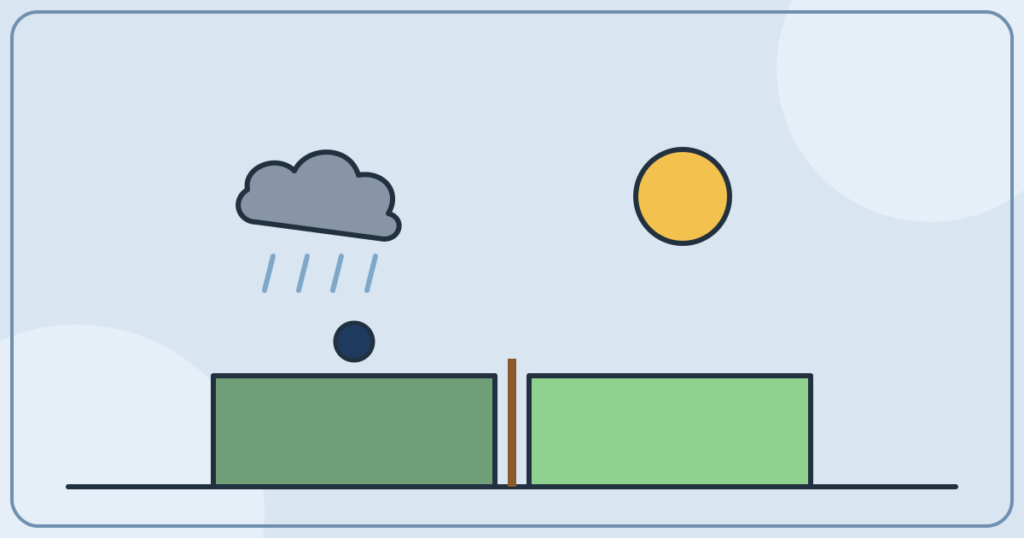
When all your attention goes to what others are doing on their greener patch of grass, you fail to notice why yours looks darker: you are standing under your own rain cloud. The gloom is coming from where you stand, not from what you have.

One life, and it is yours

You get one life, and it is your own. Spend it comparing yourself with others and resenting everything they have that you want, and there will be no space left for motivation. The negativity will fill every corner of it.

The way out starts with noticing. When the comparison begins, bring your attention back to your own ground: what you are building, what you are grateful for, and what you can do next. Your energy is limited. Spend it on your own garden, not on watching someone else’s.