Tag: Seniors

Mind & Habits

How Heavy Is Your Glass?

How Heavy Is Your Glass?

A teacher of stress management lifted a glass of water and asked a question no one expected. Her answer changes how we carry our worries.

How Heavy Is Your Glass?

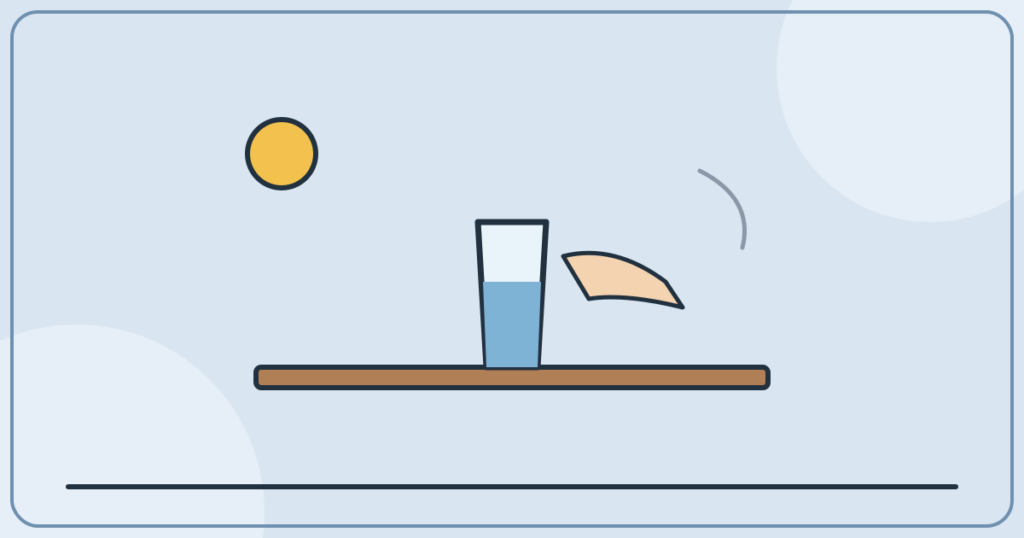
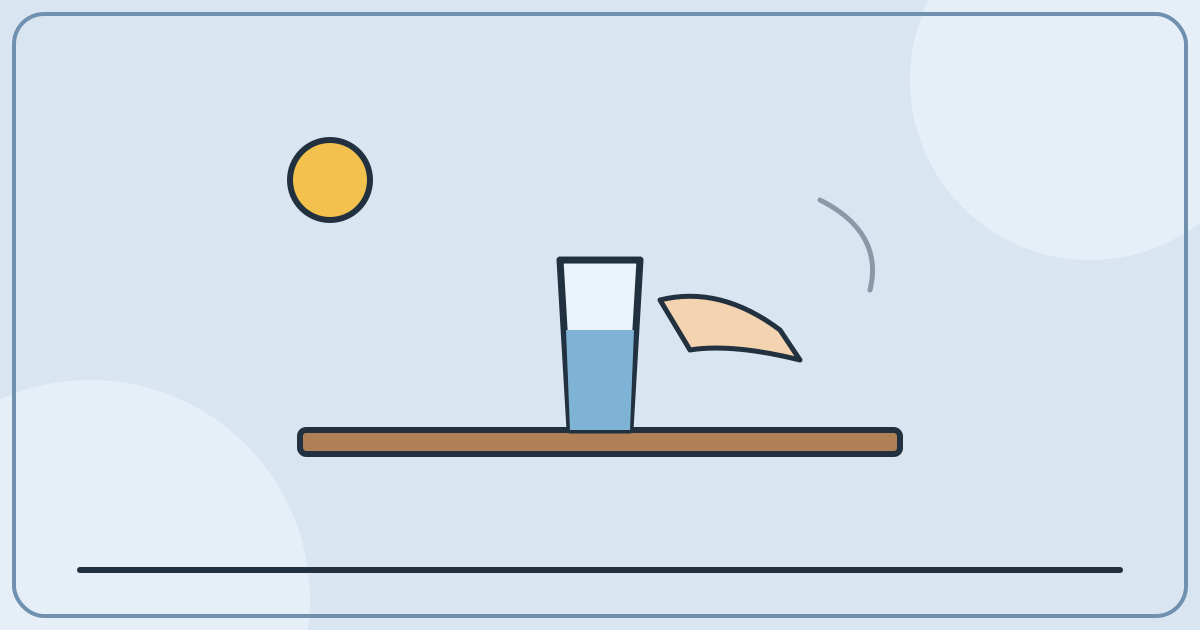
A psychologist was walking around a room, teaching an audience how to manage stress. When she lifted a glass of water, everyone assumed they knew what was coming: the old question of whether the glass was half empty or half full.

Instead, smiling, she held it up and asked how much it weighed.

People called out guesses, anywhere from 100 to 250 millilitres.

The answer no one expected

“The actual weight does not matter,” she said. “What matters is how long I hold it. If I hold it for a minute, there is no problem. If I hold it for an hour, my arm will ache. If I hold it for a whole day, my arm will go numb and I will not be able to move it. Whichever it is, the glass weighs no more than it did. But the longer I hold it, the heavier it feels.”

Our worries work the same way

Our stresses and worries behave just like that glass. Dwell on them briefly, and nothing much happens. Think about them a little longer, and they begin to hurt. Think about them all day, and you feel paralysed, unable to do anything at all.

The problem is rarely the worry itself. It is how long we keep holding it.

Set it down

So it matters to let your stresses go. Lay your burdens aside as early in the evening as you can manage. Do not carry them through the evening and into the night, where they will rob you of rest and greet you again in the morning, heavier than before.

Whatever you are holding today, remember to put the glass down.

Relationships

The Freedom Of Dropping The Mask

The Freedom Of Dropping The Mask

Many of us hide behind a polished version of ourselves. The people who show up as they truly are give the rest of us permission to do the same.

The Freedom Of Dropping The Mask

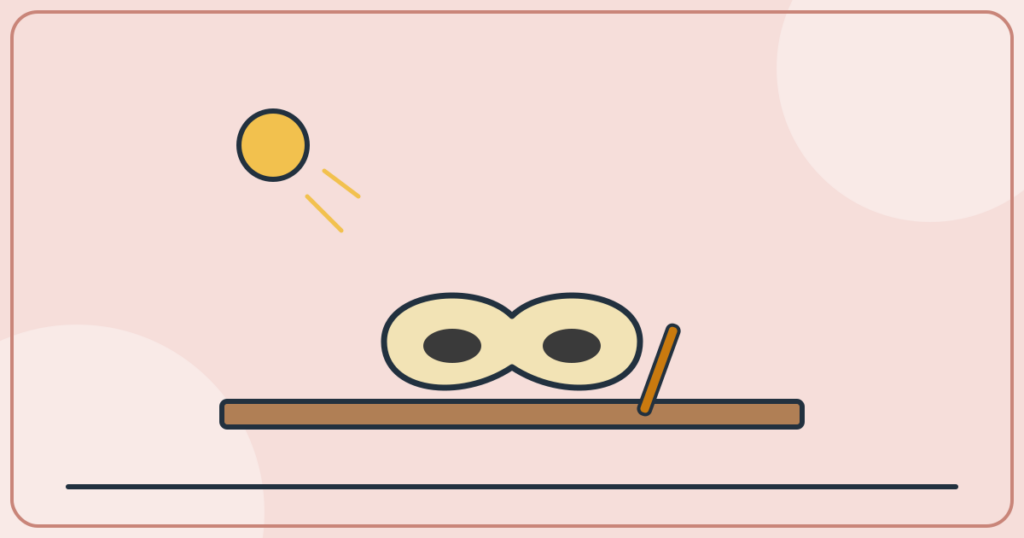
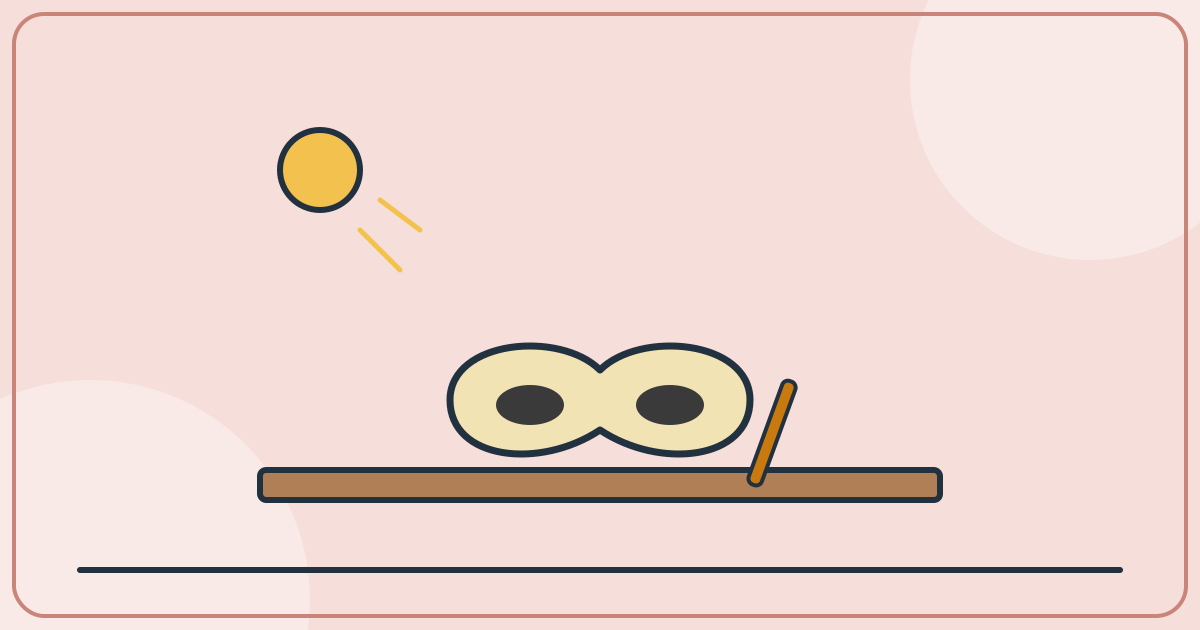
Most of us understand, without being told, what it means to be real. People who are real do not hide behind a mask to protect themselves from how others might see them. They do not put on a false self to look more perfect, more powerful or more independent than they are.

What being real looks like

Real people show themselves as they truly are: the good parts, and also the parts most of us would rather keep hidden. Those lucky enough to know them get to meet the whole person.

Why it is hard

Being real is not easy in a culture that keeps showing us pictures of physical and material perfection. As a result, we all want to look younger, slimmer, richer and more successful. The world rewards us when we play this part well. But people who are real remind us that, inside, the act is costing us something.

Every time we feel we must be bigger, better or more exciting than who we are, we send ourselves a quiet message: you are not enough.

The gift of real people

Meanwhile, people who are not trying to be more than they are walk into a room and bring ease, humour and warmth with them. They admit to their wrinkles and laugh at their own odd habits without putting themselves down.

People like this invite us to lower our guard and relax, even for a moment, into who we really are. Around them, we feel safe enough to take off our masks and taste the freedom of no longer hiding behind a wall.

Learning to do it

Those of us who grew up with a parent who was real may find being genuine comes more naturally. The rest of us may need to work a little harder to drop our pretences and share the beauty and humour of who we really are. The reward for that risk is worth it. As we become real, we attract and inspire others, and we give them permission to be real too.

Life Lessons

Inner Strength Is Forged

Inner Strength Is Forged

We train our bodies and polish our skills, but the strength that carries us through adversity is built inside, through effort and challenge.

Inner Strength Is Forged

Most of us know we need to keep improving ourselves. Yet we tend to focus on the outside: getting fitter, or picking up skills that make us stronger leaders or sharper professionals. The deeper work happens within.

Why it matters

The only certainty in life is change. Situations arise, good and bad, and each one demands a response. How we respond, especially to hard times, depends on our character and resolve. It depends on our inner strength.

It can be built

Like many habits, inner strength can be developed. It does not matter if someone is seen as weak or shy. They can still grow the inner strength needed to face any of life’s challenges. It is not easy, though.

Inner strength, resilience, grit, whatever we call it, has to be forged, and the only way to forge it is through deliberate effort. That is why challenges should be seen as opportunities, because that is exactly what they are. Without challenges, there is no inner strength. When we give in without a fight, we grow weaker. When we resolve to overcome an obstacle, we grow stronger. It is simple to understand and hard to do.

Two things to remember

First, nobody is strong all of the time. Second, failure along the way is certain. What counts is how you respond to it. Get back up and resolve to do better. There is only one real roadblock to inner strength, and that is complacency.

Strength needs energy

Growing stronger inside does not mean racing around until you are drained. You need energy to do it. If you are facing difficulties with money, family or work, find a way to recharge. A run, some quiet meditation, a long bath or a good book: whatever restores you, do it.

When we set priorities, choose our battles wisely and take time to recharge, we are in a far better position to handle whatever comes. What we cannot do is build inner strength out of excuses.

Relationships

Kindness Is A Quiet Strength

Kindness Is A Quiet Strength

People sometimes mistake kindness for weakness. It is the opposite: it takes courage, it costs little, and it is remembered long after we are gone.

Kindness Is A Quiet Strength

Small acts of kindness have a remarkable effect, both on the people who receive them and on our own happiness. Being kind does not take much. Practise it every day, in every situation, until it becomes simply the way you are.

What kindness is

Kindness means being friendly, generous and considerate. Words like affection, gentleness, warmth, concern and care all live close to it.

Some people think a kind person must be naive or weak. That is not true. Being kind often takes courage and strength, especially when it would be easier to look away. Kindness is a skill we use with other people, and like any skill, it grows with practice.

Open your eyes

Kindness begins with noticing when someone is struggling. Then a kind word, a smile, holding a door open or helping with a heavy load can all be acts of kindness.

Ways to practise it

  • Celebrate someone you love.
  • Give honest compliments.
  • Send a message to thank someone.
  • Tell someone how special they are to you.
  • Help an elderly neighbour with the garden, or bring them food or things they need.

What lasts

One day you will no longer be in this world. The kindness you showed will live on by the people whose lives you made happier. In the end, that may be the truest measure of a life well lived.

Life Lessons

Wisdom Is A Daily Practice

Wisdom Is A Daily Practice

We tend to see wisdom as something only old souls possess. In truth, it is an active skill, and everything needed to build it is already within us.

Wisdom Is A Daily Practice

We usually treat wisdom as something outside ourselves: a quality to admire in old souls, and one we may never possess.

The way we usually see it

We think of wisdom as the knack of avoiding needless drama, and somewhere along the way we decide it belongs only to people who have seen a great deal of life. The rest of us, we assume, must keep making mistakes, because other people’s wisdom rarely seems to fit our own situation. So we walk straight into the fire, hoping that one day our turn to be wise will come.

What wisdom really is

Wisdom is not a store of quiet knowledge, taken out only after long and lofty reflection. It is an active quality, something that has to be practised every day, in ordinary moments.

How to practise it

Practising wisdom means looking within ourselves and following our problems all the way through, until we turn them into solutions. Avoiding a problem teaches nothing. Working through it teaches a great deal.

We are already whole. We do not need extra parts added to who we are. We are our own centre, and nothing from outside is required to make us more worthwhile.

Everything we need in order to change is already there, inside us. What remains is to turn our attention to that inner core, and to keep returning to it, one day at a time.

Relationships

When Someone Does Not Like You

When Someone Does Not Like You

Sooner or later someone will dislike you. It feels unsettling, but you have more say over how it affects you than you think.

When Someone Does Not Like You

We are social creatures, so it is natural to feel uneasy when we learn that someone does not like us. What matters is knowing how to handle it, because at some point in your life it will happen.

Remind yourself who you are

Give yourself a short pep talk. Tell yourself that you are fine, and that there are plenty of people in your life who like you and care about you. One person’s opinion does not cancel all of theirs.

Stay civil and detached

Where possible, offer them a smile. When you show that you can be polite and calm around them, they are less likely to keep making their dislike obvious.

If you know you will be seeing or working with this person, accept it and prepare yourself in advance. Above all, resist the urge to slip in quiet, passive aggressive digs. They only keep the tension alive.

Put your attention where it belongs

To keep from feeling low, turn your focus to the things that truly matter to you, and let go, emotionally and even physically, of those who stand against you. Spending your energy on why someone dislikes you will not change the situation.

Ask yourself one honest question: does this person’s hostility really make a difference to my life? Unless there is a genuine reason behind their dislike, there is nothing to gain from worrying about what they do.

When it goes too far

Of course, if someone’s hostility is seriously affecting your daily life, whether through open insults, deliberate harassment or worse, it must be addressed. And if it becomes too much to carry alone, seek help from a professional.

Mind & Habits

Maturity Is Not A Birthday

Maturity Is Not A Birthday

Growing older does not make us wiser by default, and suffering is not the only teacher. Emotional maturity is built, one habit at a time.

Maturity Is Not A Birthday

Becoming an adult does not hand you emotional maturity, wisdom or the habit of being right. It does not protect you from making mistakes either.

Emotional maturity does not simply arrive with age, although it can be nurtured from an early age. Nor does it come from damage. You do not have to live through a mountain of hardship to understand life or to become a strong person. Maturity is something you practise. Here are four ways to grow it.

Treat mistakes as mistakes

A mistake is just that: a mistake. Do not run from it. Accept it, and take the lesson it offers. Running away only means meeting the same lesson again later.

Do not fear change

Change is uncomfortable, but it is how we grow. Each time we let it in instead of resisting it, we stretch a little further than before.

Make empathy visible

Respect the feelings of the people around you, and practise empathy in a practical way. Understanding someone quietly is not enough. You have to let them see that you understand, through what you say and what you do.

Hold on to yourself

Practise a healthy kind of detachment. Do not allow anything or anyone to become so important to you that you lose yourself in it. Caring deeply and staying whole are not opposites.

None of these depend on how old you are. A thoughtful young person can show more maturity than many adults, and anyone can start building it today.

Life Lessons

Notice The Small Good Things

Notice The Small Good Things

Bad days happen. What pulls us through is the habit of spotting small positives, and a few quiet minutes with ourselves.

Notice The Small Good Things

Not every small thing in life is as cheerful as a smiling face or a helping hand. Little negative things happen too. Some days simply go wrong. And we can dwell on those moments so heavily that they end up running our lives.

Small positives carry us

Instead of letting frustration win, learning to spot small positives is what pulls us through those difficult days. Good things are all around us, if only we would notice them. It comes down to our outlook and attitude.

It is the small things that can reach deep inside us, and out to other people, and change an entire day. When we stop fixing our attention on irritations, minor problems and the general rush of life, we become open to seeing the little wonders that surround us.

Spend time with yourself

Make a habit of connecting with yourself every day. You can do it on a walk, or through quiet meditation. How you do it does not matter. What matters is simply being present with yourself. When you are in touch with yourself, you begin to relax into who you are.

Show the real you

Your inner brightness is the only one worth showing the world, because it is the real you, and nothing is more appealing than that. It is entirely your own. You will know you have found it when life starts to feel like it is flowing, when you connect easily with people, and when good things seem to find their way to you more often.

Tomorrow, try catching three small good things before noon. It is a modest habit, but it changes what the rest of the day looks like.

Life Lessons

Stop Chasing Happiness

Stop Chasing Happiness

Chase happiness and it runs away. Become useful, honourable and kind, and it tends to arrive on its own.

Stop Chasing Happiness

Happiness is a restless, passing feeling. We experience it in short bursts. Yet we try to judge our whole, complicated lives by that one unsteady emotion. Instead of focusing on what makes us honourable, kind, useful and of real value to others, we focus on a feeling.

Happiness is not something you can trap. It slips away, it hides, and if all we ever do is chase it, we will be chasing it forever.

Wants never end

Happiness cannot be bought through things, because things do not last. The moment you get the promotion, the car or the relationship you wanted, something in human nature makes you start reaching for the next goal that will surely, finally, make you happy.

It is an exhausting cycle, because no achievement ever truly completes us. Houses go, cars go, jobs go. In the end, all you are left with is yourself, and many people are not at peace with who that is. That is why life is not really about happiness. It is about finding joy, fulfilment and meaning within ourselves. This is not a new discovery.

Be still

Stop the chase. Be still, and decide what kind of person you want to be. When we concentrate on a purpose, we tend to stumble upon happiness. It finds us; we do not need to hunt for it.

Happiness may look like the goal of life, but the real question is how to reach it without chasing it. Think of a ladder that must be built before it can be climbed. The rungs of this ladder are honour, compassion, usefulness and living well.

Give more

Real joy comes from using your particular gifts in the opportunities life brings you. Sharing those gifts with others gives your life a sense of purpose, and with it a renewed feeling of hope, faith, love and connection with the people around you.

Joy is living fully in today, so that worries about tomorrow do not crowd it out. Ask yourself: what can I do today to make a difference? What gift do I have that could help someone else? What truly belongs on my list of things to do in this life? In answering these questions honestly, you will find joy and satisfaction in all of it.

Relationships

Appreciation Enriches Both Sides

Appreciation Enriches Both Sides

Thanking someone sincerely lifts their spirit, and it quietly lifts yours too. It rarely costs more than a moment.

Appreciation Enriches Both Sides

If we are honest, every one of us wants and needs to be valued as a person, and recognised for what we contribute and achieve. We need to know that we have made a difference in someone’s life.

What appreciation does for them

When someone takes the time to thank us sincerely for something we have done, it lifts our spirit, our passion and our sense of purpose. It strengthens our confidence, our self-worth and the whole way we see ourselves. It fills us with energy and the drive to put in more.

What it does for you

The same is true in reverse. When you express your approval or thanks for something another person has done, you improve their life, and you enrich your own as well. There is a quiet satisfaction in knowing you made another person’s day a little brighter.

Ways to show it

Think of thoughtful ways to show your gratitude. Buy flowers, or do something special that you know your partner would love. A thank-you does not need a large budget to carry real value.

Not all appreciation comes wrapped as a gift. Sometimes the best way to show it is simply to be there for a friend, a family member or your partner. It can be as small as remembering to help someone talk through a stressful day, or just remembering to say hello.

The small things, every day

Going the extra mile is admirable. But do not overlook the simple, everyday gestures that let people know they are valued. Begin to make gratitude an attitude rather than an occasion, and watch your world change for the better.