Tag: Young Adults

Terms Explained

PERMA: Five Building Blocks Of Happiness
PERMA: Five Building Blocks Of Happiness

Positive emotion, engagement, relationships, meaning and achievement. What each part of the PERMA model asks of you, and how to start using it.
PERMA: Five Building Blocks Of Happiness

PERMA is often described as the simplest, most basic guide to finding happiness. It names five core elements that feed our sense of wellbeing. Here is what you need to know if happiness is what you are after.

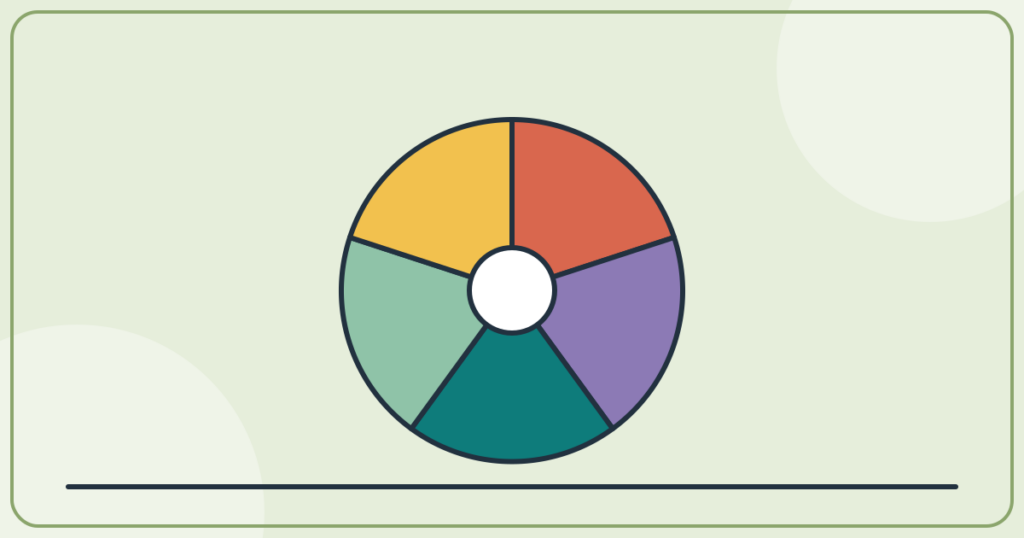
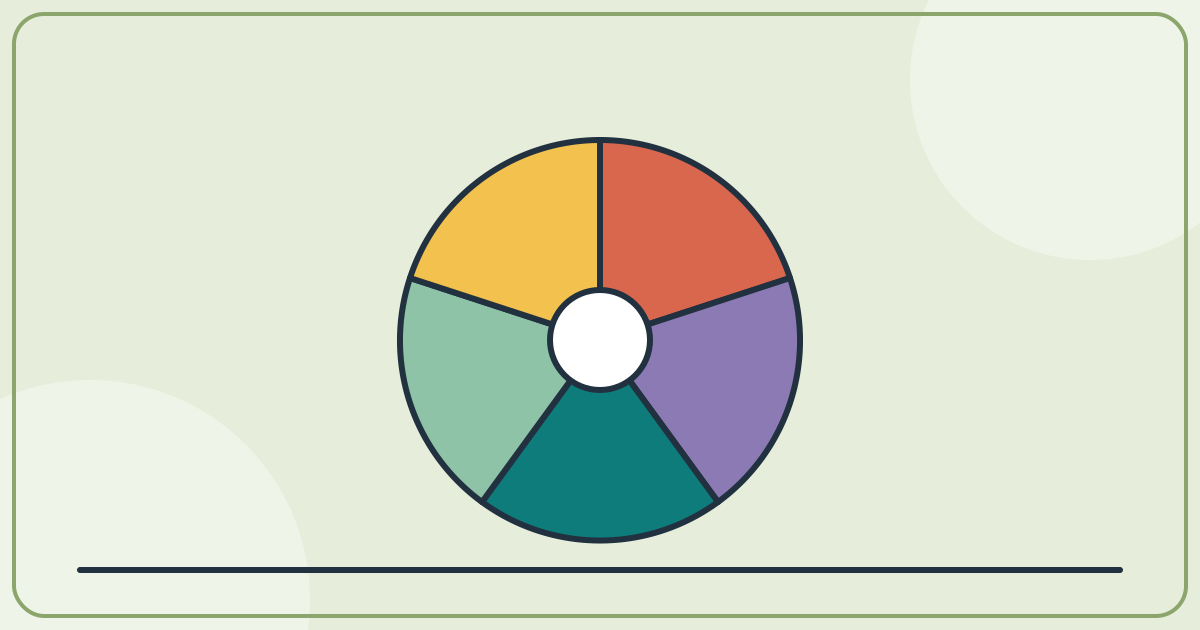
The psychologist Martin Seligman, often called the father of positive psychology, argues that happiness has a formula. He sets out five elements that strongly shape how happy and fulfilled a person feels: Positive emotion, Engagement, Relationships, Meaning and Achievement. Together they spell PERMA, and together they give practical pointers towards a happier life.

P for positive emotion: feeling good

A positive attitude is central to happiness. That does not mean smiling all the time. Quite the opposite: it should never mean bottling up any emotion. Building positive emotion means accepting and understanding your negative thoughts and feelings, learning where they come from and why, and gradually getting better at finding the brighter side of each situation.

E for engagement: finding flow

Doing something that truly matters to us keeps us fully in the present. That absorption brings a deep sense of joy, of mattering, of purpose and of happiness. To raise our happiness and keep it there, we need to let ourselves explore and find activities that absorb every one of our senses. Finding our drive and passion also means putting ourselves first sometimes, and saying no to whatever does not leave us immersed, inspired and energised.

R for relationships: real connection

To put this element into practice, look at the relationships you have now and work on their quality. Nurturing close bonds with friends, family, relatives and partners gives us a solid, healthy foundation, and the support and care we need throughout life. Spending real time together, backing one another and taking a genuine interest in each other’s lives builds healthy connections that deepen our sense of purpose, belonging and happiness.

M for meaning: a life with purpose

Meaning and purpose add hugely to happiness, because we all feel a pull to give our lives to something far larger than ourselves, something beyond the chase for money and passing pleasures. Finding purpose means setting aside small, short-lived rewards and looking at the bigger picture. Write down your dreams and goals. Ask yourself what you want to be remembered for and what you want to leave behind. And do not be alarmed if your dreams look too big for now.

A for achievement: a sense of accomplishment

Reaching our goals adds a great deal to our overall happiness and fulfilment. Achievement is closely tied to meaning and to goal-setting. Meeting a goal of any size confirms our strength, our ability and our staying power. When we stick with a goal and put all our energy, creativity and time into it, our happiness grows because we have given ourselves to something worthwhile.

Putting PERMA to work

  • Knowing the model exists is the first step to using it. Keep looking at things from a positive angle.
  • Find what makes you happy and fully absorbed.
  • Invest in your relationships with family and friends by making time to connect and simply enjoy being together.
  • Work out what gives your life meaning and purpose. It is different for everyone.
Life Lessons

Let Your Future Pull You Forward

Let Your Future Pull You Forward

The picture you hold of tomorrow can lift you out of bed or pin you to it. Three ways to build a future that keeps pulling you forward.

Let Your Future Pull You Forward

An old saying runs that just as the caterpillar believed its world was ending, it became a butterfly. What looks like the end is often the start of something better.

Does your future draw you on? Does it help you get up in the morning? The way you imagine what lies ahead can raise your spirits or drag them down. Fill your future with hopes, dreams and bold ambitions that tug you forward, and you will have a steady supply of motivation that comes from inside you rather than from outside.

Design a future that lifts you

The motivational speaker Jim Rohn had a gift for putting this plainly. His warning was that without a bright, ambitious picture of the future, you end up acting from fear and doubt. What you need is a future that raises you up. The promise of better days ahead is a source of motivation that keeps renewing itself.

Treat your past as a teacher, not a weapon

Your attitude needs to work for you, not against you. Do not use your past as a stick to beat yourself with. Take the lessons it offers and keep moving. That is how you recover more strongly and rise above whatever is trying to hold you down. Be the balloon that carries you up, not the anchor that drags you under.

Set goals worth getting up for

Have you ever met someone with real goals? You can tell they are going somewhere. Their drive comes from what they hope to do and the person they hope to be. You can be like that too. Setting a few goals that genuinely excite you changes how you feel about the future almost immediately.

Use those goals to shape a future you are eager to live and willing to work for. An easy place to begin is to imagine, in detail, an ideal day in your future life, from waking up to going to sleep. Then let those pictures carry you, the way the wind lifts a bird’s wings.

Mind & Habits

Notice The Craving Before You Obey It

Notice The Craving Before You Obey It

The mind is built to want. A few quiet minutes of noticing where a craving shows up in the body can loosen its grip on your habits.

Notice The Craving Before You Obey It

A short guided practice can help you see how cravings rise up in your mind and body. Once you can see them, you have a real chance of breaking free from unhealthy habits.

Our minds are wired to crave. When a craving arrives, we have two options. We can feed it, or we can notice what set it off and work with that. Here is a simple practice for the second option.

Settle into a comfortable position

Start by getting comfortable, in whatever posture suits you at this moment. There is no correct pose. Just let yourself settle.

Tune in to your body

Turn your attention to the physical sensations you can feel. Check in with your body. How does it feel right now? Are you holding tension anywhere? You might start with your feet and the other places where you touch the ground or the chair: your knees, your hips, your hands, your shoulders. Notice your breath, the simple fact of breathing. Be genuinely curious about what is going on inside you right now.

Rest in that awareness

Notice what it is like simply to rest in awareness of your body. Notice, too, what it is like to realise that you can become aware of these sensations at all. That realisation matters. It means you do not have to be ruled by your cravings. You can study them with curiosity, one moment at a time.

Watch for other urges

For the last few minutes, stay aware of your body and look out for any other urges that come up. There may be a pull to drift into daydreams, or a pull to scold yourself over something that happened earlier in the day or the week. Do not push them away. Go straight towards them and explore them, holding each sensation with the same gentle, curious attention.

Why it works

A habit runs on autopilot: the urge appears and we act on it before we have even noticed it. This practice puts a small gap between the urge and the action. In that gap, the craving becomes something you can look at rather than something that simply happens to you, and you get to choose what to do next.

Mind & Habits

The Voice Of Doubt Is Not Yours

The Voice Of Doubt Is Not Yours

That nagging voice saying your idea is silly or risky was planted by others. You cannot silence it completely, but you can refuse to water it.

The Voice Of Doubt Is Not Yours

You know the voice. The fretful whisper at the back of your mind saying you cannot do something because it is foolish, risky or daft. That voice did not start with you. It could have come from anyone: family, friends, teachers, bosses or society in general. Somewhere along the way they planted a seed of doubt in all of us. How did it get there, why, and above all, how do we quieten it?

We are not born doubting

Nobody arrives in the world doubting themselves or their future. Ask a child what they want to be when they grow up and they will say anything at all. They set no limits based on whether they are a boy or a girl, on their background, or on whether they count as rich or poor, because none of that matters to them. As we get older, the answers shrink. They become more “sensible”, or they drift towards whatever pays more. Other people’s influence narrows our choices and our dreams get smaller.

Consider this: whatever answer you give today to the dreaded question of what you want to do with your life, someone will probably respond with disapproval, shock or laughter. At fifteen or at fifty, people will pick at your dreams, ideas and plans, question them, criticise them, or tell you that you cannot or should not. That is hard to hear, especially from the people you love.

You cannot fully silence it

So how do you get rid of the discouraging noise? Honestly, you cannot, not completely. But take comfort: it happens to everyone. Every successful person, now or in history, has been criticised. Each of them had the seed of doubt planted in them too. They simply did not let it grow.

You can choose whether to listen

We cannot stop other people offering opinions and advice, but we can decide whether to take them. Remember that they do not know what you are capable of. Everything they say comes from their own viewpoint, a collection of what they alone believe they know. The best response is to recognise this, and to make sure you never do the same to anyone else. Just because you would not want to do something, or think you could not, is no reason someone else should not at least try.

Take the wheel

Listen to the doubt and worry, and you will probably end up somewhere you are not really happy. Often we do not even notice the seed being planted, because society quietly persuades us that one particular way of living is the only way. It is not. If you do not decide what you want to do with your life and how you want to live it, if you do not take the wheel yourself, someone else will steer, and you may not like where you end up.

Work & Career

Never Give Up, Whatever Happens

Never Give Up, Whatever Happens

Circumstances rise and fall, and some of them cannot be changed. Five reasons to keep going anyway, and one regret worth avoiding.

Never Give Up, Whatever Happens

Whatever your situation, remember that real success comes from continuing to try until you arrive where you want to be.

Life never stands still. Circumstances shift all the time: sometimes they are excellent, sometimes ordinary, and sometimes very hard. Some situations cannot be changed, and with those it is wiser to accept them and keep moving anyway. Here are the reasons not to give up.

You can always begin again

Giving up says the thing cannot be done. But while you are alive, the possibilities have no end. Whatever has happened, and however your first attempts turned out, a fresh start is always available. You can always decide to rekindle your drive and follow what you care about.

It is still possible

Do not quit, because you can still make it happen. Whatever your dream is, know that you have what it takes to achieve it. If you can picture it clearly in your mind, you can make it real. Keep going, and in time you will reach what you most want.

You already have what you need

You hold every resource required to get what you want from life. Excuses do not stand up. Anything worth having has to be worked for; nobody will hand it to you on a plate. So stop explaining why you cannot chase your dreams. Where there is determination, a way appears. The time, the money and the opportunity are there, if you search a little harder for them.

Success feels wonderful

You owe it to yourself to keep going. Achievement is one of the best feelings there is, and quitting takes that away from you. To have success, or at least a fair chance of tasting it, keep trying whatever the circumstances.

Others are watching

By carrying on and working hard, you set an example. You become an inspiration to many people, who are then encouraged to go after what they want and to stop treating giving up as a choice.

Avoid the later regret

Quitting when things turn against you really means wanting the result without putting in the work. Nothing worthwhile comes easily. Work is the only road to anything you truly want. Give up now and you will regret it later. If you do not want regrets in years to come, do what needs doing while you still have the time.

Life Lessons

Two Sisters And A Stalled Train

Two Sisters And A Stalled Train

The same delay, the same carriage, two very different journeys. A short story about waiting for life to improve versus living it now.

Two Sisters And A Stalled Train

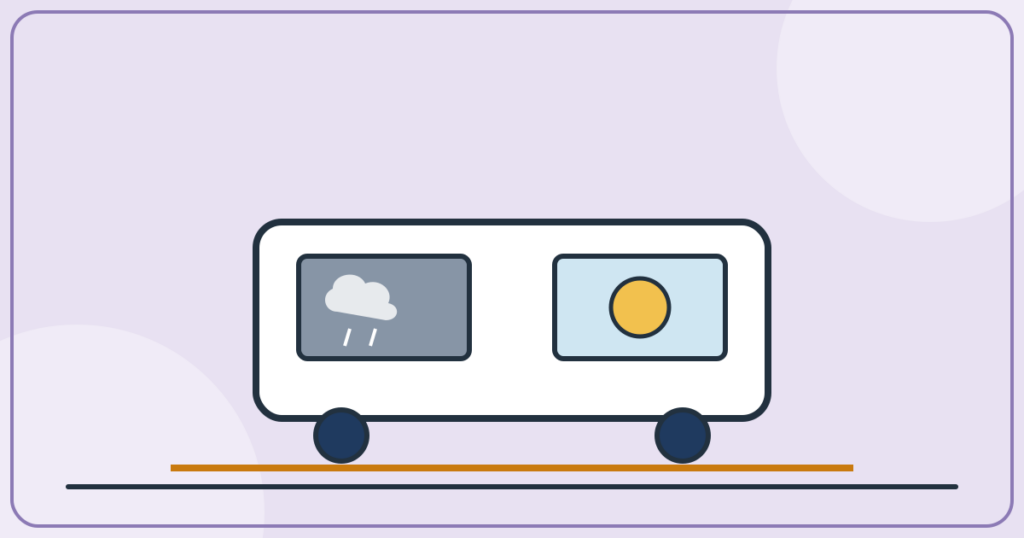
Two sisters, both in middle age, were making a long train journey from one end of the country to the other. Bad weather forced the train to stop at a small station halfway, where it had to wait until conditions eased and the line was cleared. The passengers were stuck on board for hours.

The older sister

The older sister was irritated and fed up. She complained sharply to the guards, who could do nothing about it either. She sulked without pause and became a nuisance to everyone travelling with her.

The younger sister

The younger sister would not let the hold-up spoil her mood. She moved cheerfully through the train, made friends, swapped jokes, played with the children, got people singing in one carriage after another, and generally lifted everyone’s spirits.

Strangers warmed to her. They shared their food, asked her to join them, and threw themselves into the games she organised to keep everyone amused.

Journey’s end

When the train at last pulled into its final station, the older sister was gloomy, low and worn out. As far as she was concerned, the whole trip had been a waste of time.

The younger sister had enjoyed herself enormously. She had made plenty of new friends, had fresh experiences, and kept her good mood and good humour the whole way.

What made the difference

The younger sister enjoyed the trip in spite of the delay and discomfort because she made the most of the moment she was in. The older sister was unhappy because she was waiting for her surroundings to improve. She had put her happiness off until some later point when everything would be just right.

Every day brings each of us a share of problems, obstacles, rewards and successes. Given that, living in the present opens up the most of what life has to offer. We can pay attention to what is going on around us and enjoy the small pleasures that are available right here, right now. Yet most of us stay caught up in old griefs, regrets and failures, or in worries about the future.

The past is finished. The future has not arrived. The only thing that is real is this moment, so use it well. Take hold of these moments, because none of them will come round again. Take hold of the now.

Mind & Habits

Face Your Inner Demons

Face Your Inner Demons

Fear, sadness, anxiety and frustration all fight for room inside us. When they seem to be winning, remember that you are still here, and that makes you the winner.

Face Your Inner Demons

Everyone has to deal with their demons at some point. When life gets especially hard, it can feel as if they have the upper hand. Yet while you are still alive and breathing, you have not lost.

We all know those voices in our heads, the moods and feelings that throw a shadow over us and spill out into how we live. Those are our inner demons. Everyone fights them in one form or another: fear, sadness, anxiety, frustration, disappointment. They torment us and keep us from happiness, peace, love and hope. As in any fight, there are two choices. You can hide from them, or you can stand up, face them and beat them.

You cannot run for ever

There is no escaping the decisions you keep delaying, the plans you keep postponing, or the things you keep putting off. A mind in turmoil will not find peace. If something keeps haunting your thoughts, let it go. Stop agonising over what is beyond your control. Meet whatever is filling your head with courage and self-respect, and become the thing your worst fears are afraid of.

Stay positive

Choose optimism and learn to expect good things. Inner demons feed on weakness, so the stronger you feel, the easier those dark emotions are to beat. Success comes when you put your attention on what is going right rather than what is going wrong. Dwelling on everything bad and casting yourself as the victim of your own story only feeds the demons and digs you deeper into the hole.

Believe in yourself

Trust in yourself and your abilities is strong enough to overcome whatever negative thoughts come along. The aim is not to tame your mind or police every thought. It is a way of limiting the damage to your inner peace, so that your thinking stays clear, your actions stay productive and your demons stay quiet.

Make friends with them

Some battles never end in victory, only in stalemate. When that happens, stop fighting and let the difficulty sit beside you. Get to know it. You will certainly learn something, and you will come out tougher for it.

Peace is earned, not bought

However different we are, we all want the same thing: peace of mind. We take different roads to the same place, and still we quarrel over the route. Some reach it; others spend their lives trying. Inner peace is a condition of the mind, and you will not find it in money, romance, children or fame. You have to earn it. The moment you accept that you cannot buy it, take it or wish it into being, it starts to become yours. The quickest way to peace is to make friends with your own mind.

The ancient strategist Sun Tzu held that if you know both your enemy and yourself, you need not fear a hundred battles. Know only yourself, and every victory will come with a defeat. Know neither, and you will lose every time.

Life Lessons

Ten Good Things To Let Into Your Life

Ten Good Things To Let Into Your Life

We spend so much effort keeping bad things out. Here are ten good ones worth deliberately letting in, and why they crowd out the rest.

Ten Good Things To Let Into Your Life

Much of our energy goes into keeping things out of our lives: illness, disappointment, money trouble. Yet there are plenty of good things we could invite in that would make life richer. Here are ten worth having.

1. Awareness

Use all your senses to take in what surrounds you. The natural world offers a great deal of joy every day, if we pause to look, listen, touch, taste and smell. The reward for this kind of attention is that we worry less about what is churning inside us. It is the gift of being present.

2. Self-love

What use are your talents and strengths to anyone if, at the end of the day, you do not care for yourself? You can succeed at work and still run yourself down about your looks or your qualities, and then you never fully enjoy the work you love. Learn to value yourself. It builds confidence and carries you further than you expected.

3. Self-worth

Few gifts to yourself matter more than recognising your own value. Seeing your worth comes before truly enjoying your life. The measure is not other people’s view or opinion of you; it is how you see yourself.

4. Love

Love may be the most important thing there is. It keeps us moving. It brings relationships alive, deepens friendships and lights a warmth in us that nothing else can replace. Letting love in makes you easier to love.

5. Compassion

Holding kindness and grace towards others is a fine thing. It brings harmony to the world and gentleness to our hearts. Reach out, share in others’ troubles, and help where you can, remembering that we are all part of something larger than ourselves.

6. Humility

Pride is hard to spot in yourself and harder still to fix. Rather than fretting over what you are trying to get rid of, focus on what you would like more of. Part of humility is owning up when you are wrong.

7. Laughter

Make room for it. Whatever kind of day it has been, and whatever else you feel you have failed at, allow yourself a proper laugh.

8. Serendipity

Stay alert to things that happen unexpectedly, even when they first look bad. A happy accident can arrive dressed as a lesson. Take it gratefully.

9. Optimism

The surest way to push out negativity is to bring in more positivity. Look at the brighter side. Things will be all right.

10. Generosity

Whether you give time, money or simply a patient ear, generosity is a wonderful quality to let in. It builds better relationships, keeps your own heart open, and helps someone who needs it.

Letting in is how we let go

Good things crowd bad things out. Love grows and makes room for more good while it pushes fear aside. Joy outweighs pain. The hard work of letting go gets easier. At the very least it is a matter of balance: taking in the good deserves as much effort as clearing out the bad.

Mind & Habits

Treat Your Mind Like A Home

Treat Your Mind Like A Home

Open the windows to new ideas, clear the clutter, choose who comes through the door. Six ways to look after the place you live in most.

Treat Your Mind Like A Home

Think of your mind as your home. Open the windows so change can come in. Clear out the loft and keep the rooms in order. Let only the people you choose through the front door, and do not be afraid to build an extension that adds to its worth.

Glance around where you live. Is it tidy? Is your room in order? Would you mind if it were cramped or falling apart? Most likely you would, and if you would not, it is worth asking why. That is where you live and where you spend most of your hours. All of this, of course, is a picture of your mind. Here is how to look after it.

Lay a foundation

You cannot build without a base, and you cannot grow without something to grow from. That base is your core beliefs. Without them, everything else can come apart. So ask what your deepest values are. Whatever they turn out to be, they are the beliefs that matter most to you. Hold them with confidence even when others disagree. If they work for you and keep your house standing, stand firm.

Separate your beliefs from inherited ones

Do you believe something only because you were brought up to? That can come from school, family or friends. Do you behave a certain way because your crowd does? It may be something as small as taste. Perhaps you grew up surrounded by one kind of music and find you love a completely different kind. Do not be afraid to discover who you really are.

Repair the cracks

If your walls cracked, you would not leave them, because untreated cracks spread and worsen. Treat yourself kindly, yes, but above all deal with the worries and problems that sit on your mind and drag you down.

Explore every room

Wander through this inner house and discover something fresh: a new interest or hobby, or an ability you did not know was there. You may never have imagined running five kilometres or cooking a meal from scratch. Do not set limits on yourself. Go outside, too, and explore other people’s minds. Share your ideas and values with them and open yourself to theirs.

Keep harmful guests out

Protecting your house from damage matters. Work out whether anyone in your life is filling your head with negative or poisonous thoughts, and keep them at the door.

Match the outside to the inside

Be true to yourself; this is about being genuine. In the language of the house, do not put a sleek modern front on a dusty old interior. Dress the way you want, say what you mean and share what you feel. Nobody put you here to please everybody. Show people who you truly are.

Mind what you think

Negative thinking only breeds more of the same. Let yourself think about situations, other people or yourself in a belittling way and it spoils the most precious place you have, your mind. Regular quiet reflection, even a few minutes a day, makes it easier to steer the thoughts you produce. Treat your body with the same care and respect you would give any place you hold dear.

Mind & Habits

Widen Your Awareness

Widen Your Awareness

Becoming more aware of yourself and the world breaks down false beliefs and the stories we mistake for reality. Seven practical ways to start.

Widen Your Awareness

Becoming more aware, in every part of your life, is a rewarding journey. A wider awareness breaks through the walls built by habit, by the way we happen to see things, and by beliefs that are simply wrong.

Raising your awareness gives you the power to build a happier, more satisfying life. It means opening yourself to new possibilities, getting back in touch with who you really are, making room for the best in you and, above all, releasing the pain and hurt that have been holding you back. Here are some simple ways to begin.

Find out who you are

The poet Allen Ginsberg urged people to follow their own inner light and not hide what makes them different. To find yourself, first study yourself. Discovering the real you is an eye-opening experience. You are not what society told you to be, and you are not your job title or your labels. Do not try to be someone else or live inside those illusions. Cut your ties with pretence. Honesty with yourself is itself a step up in awareness.

Look inward

Have the courage to observe yourself and think about what you see. Looking inward helps you understand your thoughts and feelings and gives you clarity about where your life stands now. It is an important step in growing. Admit your problems and look for ways to solve them.

Practise compassion

Compassion may be the single most effective exercise for widening your awareness. Being kind to yourself and to others helps you forgive other people, and it also helps you get past your own negative thoughts and feelings.

Keep your ego in its place

Ego is only a small part of who you are. Awareness is the larger, better self. Ego works like an infection on that larger self, a blockage that stops it growing, though it can be cured. Ego gets in the way of clear, deliberate choices. Keep asking yourself whether it is really you speaking, or your ego.

Spend time alone

You need to catch up with yourself. Many of us treat being alone as a danger, or as a chance to brood over the emptiness. Time spent in your own company lets your inner voice be heard. Listen to it and follow it. Take a walk and hear your own thoughts, be thankful for everything you have, listen to music, or throw yourself into a hobby that lifts you.

Get close to nature

Notice the sound of leaves in the wind, the colours of flowers, tall trees, clouds that never hold the same shape, and moving water. Be grateful for the natural world around you, because time spent in it is never wasted. Out there you can feel a deep calm and a sense of belonging, and often the answers you have been looking for arrive in that calm.

Meditate and move

Meditation gives you a direct route to a deeper awareness of yourself. Even a simple practice does a great deal for mind and body. It helps you reconnect with yourself, steadies your thoughts and emotions, lowers stress, and brings joy and clarity. Regular exercise supports the same calm.

As the writer Rasheed Ogunlaru has put it, the world does not need changing nearly as much as our own awareness needs raising.