Tag: Adults

Life Lessons

The Easy Path And The Worthwhile One
The Easy Path And The Worthwhile One

Everything in life is hard before it becomes easy. Eighteen everyday choices where the easy road and the worthwhile road split apart.
The Easy Path And The Worthwhile One

Everything in life is hard before it becomes easy. At almost every turn two roads open up: the easy one, and the one that is actually worth taking. The easy road asks nothing of us today and costs us later. The other road asks a great deal today and pays us back for years. Here are the places where the two part company.

With the people in our care

  • It is easier to punish a child than to patiently raise one.
  • It is easier to use emotional blackmail than to lift people through leadership.

With what we have and what we earn

  • It is easier to take than to earn.
  • It is easier to hoard than to share.
  • It is easier to enjoy the glory alone than to share the spotlight.

With problems and promises

  • Blaming is easier than solving.
  • It is easier to abandon a commitment than to stand by it.
  • It is easier to look on than to take the initiative.

With our attention and our work

  • It is easier to be distracted than to focus.
  • It is easier to look busy than to be productive.
  • It is easier to repeat than to improve.
  • It is easier to follow a path than to make one.

With other people

  • Gossiping is easier than keeping a confidence.
  • It is easier to blend into the crowd than to stand out from it.
  • Spotting faults is easier than spotting greatness.

With our own hearts

  • It is easier to be proud than to be grateful.
  • It is easier to stay hurt than to forgive.

Choosing the other path

None of us takes the harder road every time. The point is to notice the fork when it appears. Each time you pick the worthwhile option, even once in a day, that road gets a little easier to walk, and in time it becomes the natural way you move through the world.

If you want your words to make sense, let them come out of silence. Sit quietly for five minutes every day.


Mind & Habits

Four Steps To A Steadier, Positive Mind

Four Steps To A Steadier, Positive Mind

Some experiences lift us and others open a tap of negativity. Whether that tap keeps running is up to you. Four simple steps to close it.

Four Steps To A Steadier, Positive Mind

Life brings every kind of situation and experience. Some leave us with good feelings and thoughts. Others start a steady trickle of negativity that seems never to stop. Whether you let that negativity grow inside you or keep it in check is your decision. Here are four steps towards a positive mind, and towards leaving negativity behind for good.

1. Live in the present

Nobody has superpowers. You cannot change what has already happened, and you cannot see what the future holds. The only thing within your reach is to enjoy the moment you are in. Every minute spent reliving the past or worrying about tomorrow is a minute taken away from the one place you can actually act.

2. Keep positive people around you

Extrovert or introvert, you have to deal with people. Negative people pull you towards negative beliefs, gloomy outlooks and discouraging stories. Keep your distance from them, and spend your time with people who spread good energy. Moods spread, so choose carefully what you let rub off on you.

3. Start the day with a positive feeling

Simply tell yourself something like “Today will be a good day” or “Whatever happens, I am happy today.” Talking to yourself kindly does not mean you are losing your mind. It shows a mind turned towards the good, and it sets the tone for everything that follows.

4. Meet challenges with a positive attitude

Learn to turn mistakes, failures and heartbreaks into valuable lessons for life. Face your fears head on, and overcome whatever is stopping you from living a full and satisfying life.

The thread through all four

None of these steps asks you to pretend that bad things do not happen. They ask you to choose where your attention goes: to the present rather than the past, to people who lift you rather than drain you, to a hopeful first thought rather than a fearful one, and to the lesson rather than the wound.

Relationships

The Silent Treatment Hurts Both Sides

The Silent Treatment Hurts Both Sides

Holding back feelings, praise or support is usually a habit born of old pain. How to cope if it is done to you, and how to unlearn it if you do it.

The Silent Treatment Hurts Both Sides

Holding back is usually rooted in emotional pain, and it spreads that pain to everyone on the receiving end.

What withholding looks like

Its best-known form is the silent treatment, but withholding covers any reluctance to show what you truly feel. It also includes holding back support, praise or warm attention from the people you love.

Most of us have known someone who is impossible to please, and many of us have suddenly found ourselves facing a cold silence with no explanation. At the same time, plenty of us will recognise the habit in ourselves: keeping our feelings locked away rather than saying them. Most people have been on both sides. It is an unhealthy pattern, and it breaks down communication and understanding.

If it is being done to you

Nobody deserves to be treated this way. Feeling ignored, disrespected or shut out, without knowing why, is awful. The first thing to remember is that you are not to blame. You have been caught up in someone else’s pattern of pain. This person does not know how to express feelings in a healthy way, probably because that is what they learned as a child.

The second thing to remember is that the withholder is acting out of their own hurt. They are stuck in a habitual response that defeats its own purpose and pushes away the very people they love. Keeping this in mind can help you feel compassion for the person hurting you.

Even so, if you have put up with the pattern for too long, you may need some distance. Take time to examine your own patterns and understand why you have played a part in this drama. If it is happening within your family, you can be the one who steps forward to break the chain.

If you are the one who withholds

Understand that withholding is a learned response, and anything learned can be unlearned. Find safe places to start expressing what you have been holding back. Make a deliberate effort to say what you are feeling and thinking. Praise someone you love. The more you practise, the healthier you and your relationships become.

Something learned over a lifetime will not change overnight. Take it one day at a time.

We keep piling up worries, anxieties, failures, frustrations, fears and disappointments that would be better thrown away and forgotten, and we turn the garden of our life into wasteland. Let the negative emotions go, and watch your life change.

Mind & Habits

Envy Quietly Steals Your Own Life

Envy Quietly Steals Your Own Life

Everyone envies someone now and then. The damage starts when the feeling takes over, and you stop seeing your own life for staring at someone else's.

Envy Quietly Steals Your Own Life

Jealousy is a sharp, stinging emotion. It can leave us bitter, even hostile, towards another person, whether we know them well or have never met them.

What envy actually is

Envy is the discomfort of seeing someone else happy. It might be their success at work or something in their personal life. Whatever it is, the moment you notice what they have achieved, you begin measuring it against what you have.

Everyone does it. That is not the problem

All of us envy other people at times. Fair enough. The trouble starts when you let that feeling seep into every thought and emotion you have about that person, or about yourself. At that point you lose touch with your own reality.

The grass and the rain cloud

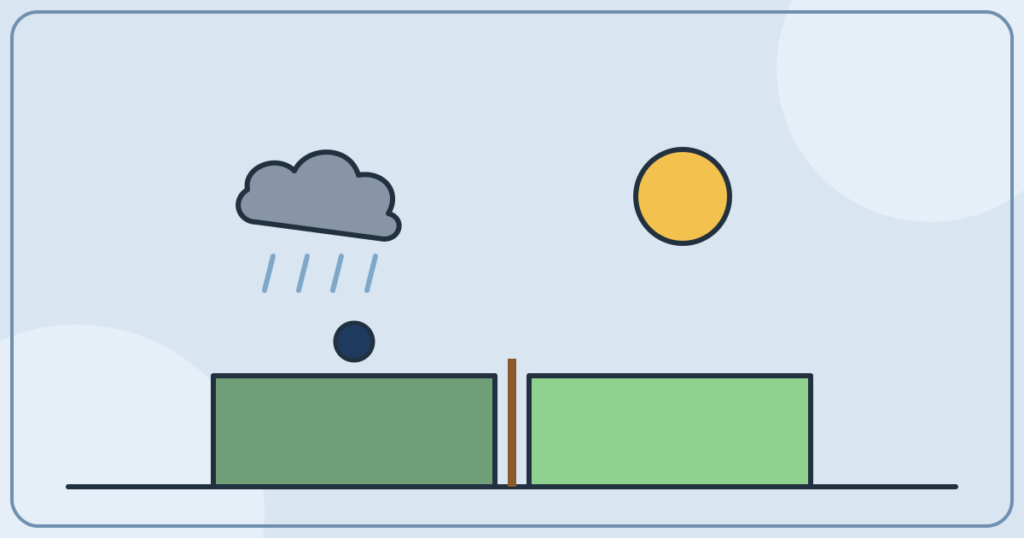
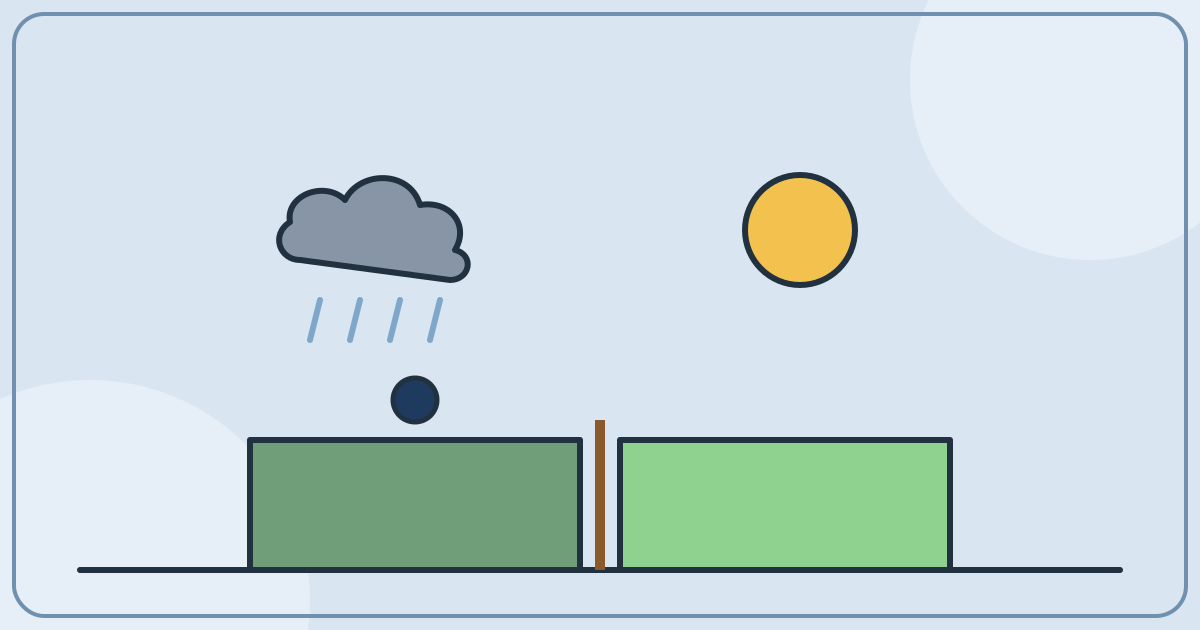
When all your attention goes to what others are doing on their greener patch of grass, you fail to notice why yours looks darker: you are standing under your own rain cloud. The gloom is coming from where you stand, not from what you have.

One life, and it is yours

You get one life, and it is your own. Spend it comparing yourself with others and resenting everything they have that you want, and there will be no space left for motivation. The negativity will fill every corner of it.

The way out starts with noticing. When the comparison begins, bring your attention back to your own ground: what you are building, what you are grateful for, and what you can do next. Your energy is limited. Spend it on your own garden, not on watching someone else’s.

Life Lessons

Lift Yourself Out Of A Low Season

Lift Yourself Out Of A Low Season

After a job loss, a bereavement or a long grey stretch, it is worth making a deliberate effort to shake off the gloom. Four ways to start moving again.

Lift Yourself Out Of A Low Season

When gloom settles in and drains your energy, it is worth making your own deliberate effort to break free of it and move on towards the future. Here are a few ways to refresh yourself and face what comes next.

Change your surroundings

Moving somewhere new, or simply taking a holiday, will not fix the root of your unhappiness, which may be the loss of a job or the loss of someone you love. It will, at the very least, help you set your troubles aside for a while, and that pause has value of its own.

Take up yoga

Yoga does help. It works on body and mind together, and that double focus is exactly what you need when unhappy thoughts are crowding in on you. Find a good teacher and learn it properly.

Accept help from someone

Many people treat asking for help as something to be ashamed of. It does not have to be. You see a doctor for the ailments of your body without a second thought. In the same way, you should admit it when something in your mind is more than you can handle on your own, and let someone qualified help you with it.

Take up a hobby

Everyone has an interest of some kind. It might be something thrilling, such as an adventure sport, or something quieter, such as reading or listening to music. What all hobbies have in common is that they bring the mind some peace.

The thread running through all four

None of these makes a loss disappear. What they do is give you small, practical footholds: a change of scene, a calmer body, a listening ear and an absorbing pastime. Each one moves you a step away from the gloom and a step towards the future.

Life Lessons

Why We Are Not Shown The Whole Map

Why We Are Not Shown The Whole Map

We often wish we could see how life will turn out. Knowing everything in advance would probably crush us, and not knowing is what makes us grow.

Why We Are Not Shown The Whole Map

We often wish someone would show us the whole picture of our lives. It is not always good for us, because seeing everything at once would easily overwhelm us.

The wish to know

Now and then we catch ourselves wanting to know what our lives will look like, and what gifts and difficulties the coming months or years will bring. We want to know whether our present relationship will last, or whether our goals will be reached. Faced with a decision, we want to know in advance which choice will work out best. Some people even turn to fortune-tellers, their dreams and all kinds of other sources, hoping to find out what lies ahead. At most we get fleeting glimpses.

We may believe we want the whole story in full detail. In truth, knowing everything that is going to happen to us would probably leave us swamped and worn out.

Look at what you have already lived

Think about your life so far. Like most people, you have probably done more and faced more than you could ever have pictured. If someone had told you as a child about every job and every relationship you would go through, with all their ups and downs, you would have been overwhelmed. With your head crammed with facts about the future, you would have struggled to live in the present moment, and the present is where everything actually happens.

Not knowing is how we grow

In many ways, not knowing what is coming draws out of us the very qualities we need to grow. It would have been hard to give yourself fully to certain people or projects if you had known they would not work out in the end. Yet it was by sticking with them that you learned the lessons you needed.

Look back over your life and you would struggle to name anything that should not have happened. Your hardest experiences, and the lessons that came with them, may well have brought you your greatest rewards. Not knowing the future keeps us in the right place: wholehearted, and living in the present.

Mind & Habits

A Few Quiet Minutes Of Looking Inward

A Few Quiet Minutes Of Looking Inward

In a rush-everywhere world, sitting still with your own thoughts can feel like wasted time. Six ways a little daily introspection pays you back.

A Few Quiet Minutes Of Looking Inward

Introspection means looking closely at your own thoughts, feelings and sensations so you can understand yourself better.

In a world obsessed with speed and the urge to keep moving, finding time to sit down and reflect is hard. Yet setting aside even a small part of each day to examine yourself can help far more than you might think. Here are some of the ways it earns its place in daily life.

It shows you your negative patterns

Perhaps you keep going back to a relationship that hurts you, telling yourself that despite all the frustration and inconsistency the other person will change one day. Perhaps you keep covering for a colleague who does not pull their weight, putting your own work on hold and damaging your progress over time. Whatever the pattern, introspection helps you see it, and see how and why it drags down your mood and your outlook. From there you can think about other ways to handle those situations and, in time, move away from the sources of stress altogether.

It keeps the bigger picture in view

Without an overall aim, daily tasks start to feel pointless and more and more frustrating. That is why it matters to have a clear picture of where you want to be in the future.

It stops you fretting over what you cannot control

A maddening traffic jam, or a manager who never listens to your views: however often we are told not to stress over what we cannot change, we do it anyway. Accepting that we are not always in charge of the outcome, and that sometimes we simply have to adapt to poor conditions, is hard. Introspection helps us let go of the things we cannot influence and put our energy into the things about ourselves that we can definitely improve.

It lets you look your fears in the eye

We would all like to be the person who dives into any challenge and comes out on top. But everyone is afraid of something, whether it is rejection, failure or something else entirely. Introspection lets you admit your fears to yourself and, over time, work out how best to deal with them.

It lets you define happiness for yourself

When are you happiest? Whose company do you enjoy most? These questions can sound trite, but they are valuable. When you notice the good things in your life, you can use what you learn to shape your future goals and plans.

It lets you decide by your own conscience

When you face a big decision, the important people in your life will naturally have views. Introspection helps you decide on the basis of a full understanding of what is right or wrong for you. You end up choosing according to what you truly believe, rather than letting other people’s opinions push you around.

Terms Explained

PERMA: Five Building Blocks Of Happiness

PERMA: Five Building Blocks Of Happiness

Positive emotion, engagement, relationships, meaning and achievement. What each part of the PERMA model asks of you, and how to start using it.

PERMA: Five Building Blocks Of Happiness

PERMA is often described as the simplest, most basic guide to finding happiness. It names five core elements that feed our sense of wellbeing. Here is what you need to know if happiness is what you are after.

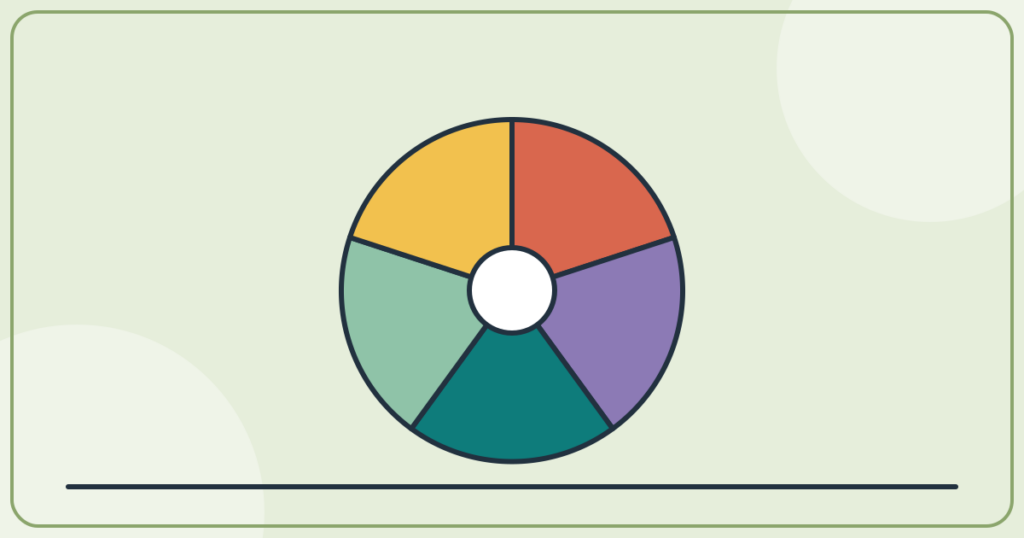
The psychologist Martin Seligman, often called the father of positive psychology, argues that happiness has a formula. He sets out five elements that strongly shape how happy and fulfilled a person feels: Positive emotion, Engagement, Relationships, Meaning and Achievement. Together they spell PERMA, and together they give practical pointers towards a happier life.

P for positive emotion: feeling good

A positive attitude is central to happiness. That does not mean smiling all the time. Quite the opposite: it should never mean bottling up any emotion. Building positive emotion means accepting and understanding your negative thoughts and feelings, learning where they come from and why, and gradually getting better at finding the brighter side of each situation.

E for engagement: finding flow

Doing something that truly matters to us keeps us fully in the present. That absorption brings a deep sense of joy, of mattering, of purpose and of happiness. To raise our happiness and keep it there, we need to let ourselves explore and find activities that absorb every one of our senses. Finding our drive and passion also means putting ourselves first sometimes, and saying no to whatever does not leave us immersed, inspired and energised.

R for relationships: real connection

To put this element into practice, look at the relationships you have now and work on their quality. Nurturing close bonds with friends, family, relatives and partners gives us a solid, healthy foundation, and the support and care we need throughout life. Spending real time together, backing one another and taking a genuine interest in each other’s lives builds healthy connections that deepen our sense of purpose, belonging and happiness.

M for meaning: a life with purpose

Meaning and purpose add hugely to happiness, because we all feel a pull to give our lives to something far larger than ourselves, something beyond the chase for money and passing pleasures. Finding purpose means setting aside small, short-lived rewards and looking at the bigger picture. Write down your dreams and goals. Ask yourself what you want to be remembered for and what you want to leave behind. And do not be alarmed if your dreams look too big for now.

A for achievement: a sense of accomplishment

Reaching our goals adds a great deal to our overall happiness and fulfilment. Achievement is closely tied to meaning and to goal-setting. Meeting a goal of any size confirms our strength, our ability and our staying power. When we stick with a goal and put all our energy, creativity and time into it, our happiness grows because we have given ourselves to something worthwhile.

Putting PERMA to work

  • Knowing the model exists is the first step to using it. Keep looking at things from a positive angle.
  • Find what makes you happy and fully absorbed.
  • Invest in your relationships with family and friends by making time to connect and simply enjoy being together.
  • Work out what gives your life meaning and purpose. It is different for everyone.
Work & Career

Enthusiasm Is As Catching As Gloom

Enthusiasm Is As Catching As Gloom

One sour attitude can drag down a whole team's morale. The good news is that enthusiasm spreads just as fast. Five ways to start the right kind of spread.

Enthusiasm Is As Catching As Gloom

A negative attitude spreads until it starts to affect how well people work and how well they decide. The remedy is to put enthusiasm and a positive outlook in its place.

Negativity behaves a lot like a common cold. It can start with a single person, and before long the whole team feels it, and morale and performance slide. Unlike a cold, though, it has a cure. Enthusiasm and a good attitude are just as contagious, and they can lift performance just as quickly. Here are five ways to beat negativity at work.

1. Turn obstacles into openings

Rather than dreading problems, you can keep your own outlook positive by choosing how you respond to them. Negativity frequently begins as negative self-talk: the same gloomy messages running on repeat in your head, darkening your view and wearing down your confidence.

2. Swap negative self-talk for positive

Negative thoughts lead to self-doubt, and self-doubt leads to failure. Watch for negative messages, both in your own thinking and in what other people think and do. Then practise turning each one round into something constructive. Positive thinking produces positive action, and positive action produces positive results.

3. Build trust

Use a positive attitude and real enthusiasm to build relationships. Negativity makes it hard to trust people, and without trust you cannot bring about any good change. Taking deliberate steps to build trust makes people more comfortable and makes relationships stronger.

4. Win people over instead of winning arguments

The only way to win an argument is not to have one. Handled well, disagreements and debates are chances to make things better. When one comes up, respect the other person’s opinion, never tell them flatly that they are wrong, and make a real effort to see the matter from where they stand.

5. Disagree pleasantly

The question we all face is how to disagree without being disagreeable, and still get our ideas heard. Keep talking, and keep trying to see the issue through different eyes. Take the time to think carefully about how the other person thinks and why they feel as they do.

Courage is not the absence of fear. It is standing up to fear and learning to master it.

Mind & Habits

Notice The Craving Before You Obey It

Notice The Craving Before You Obey It

The mind is built to want. A few quiet minutes of noticing where a craving shows up in the body can loosen its grip on your habits.

Notice The Craving Before You Obey It

A short guided practice can help you see how cravings rise up in your mind and body. Once you can see them, you have a real chance of breaking free from unhealthy habits.

Our minds are wired to crave. When a craving arrives, we have two options. We can feed it, or we can notice what set it off and work with that. Here is a simple practice for the second option.

Settle into a comfortable position

Start by getting comfortable, in whatever posture suits you at this moment. There is no correct pose. Just let yourself settle.

Tune in to your body

Turn your attention to the physical sensations you can feel. Check in with your body. How does it feel right now? Are you holding tension anywhere? You might start with your feet and the other places where you touch the ground or the chair: your knees, your hips, your hands, your shoulders. Notice your breath, the simple fact of breathing. Be genuinely curious about what is going on inside you right now.

Rest in that awareness

Notice what it is like simply to rest in awareness of your body. Notice, too, what it is like to realise that you can become aware of these sensations at all. That realisation matters. It means you do not have to be ruled by your cravings. You can study them with curiosity, one moment at a time.

Watch for other urges

For the last few minutes, stay aware of your body and look out for any other urges that come up. There may be a pull to drift into daydreams, or a pull to scold yourself over something that happened earlier in the day or the week. Do not push them away. Go straight towards them and explore them, holding each sensation with the same gentle, curious attention.

Why it works

A habit runs on autopilot: the urge appears and we act on it before we have even noticed it. This practice puts a small gap between the urge and the action. In that gap, the craving becomes something you can look at rather than something that simply happens to you, and you get to choose what to do next.