Tag: Adults

Relationships

Love People Without Clinging
Love People Without Clinging

Needing someone as though your survival depends on them feels safe, but it breeds expectation and heartbreak. How to stay close without clinging.
Love People Without Clinging

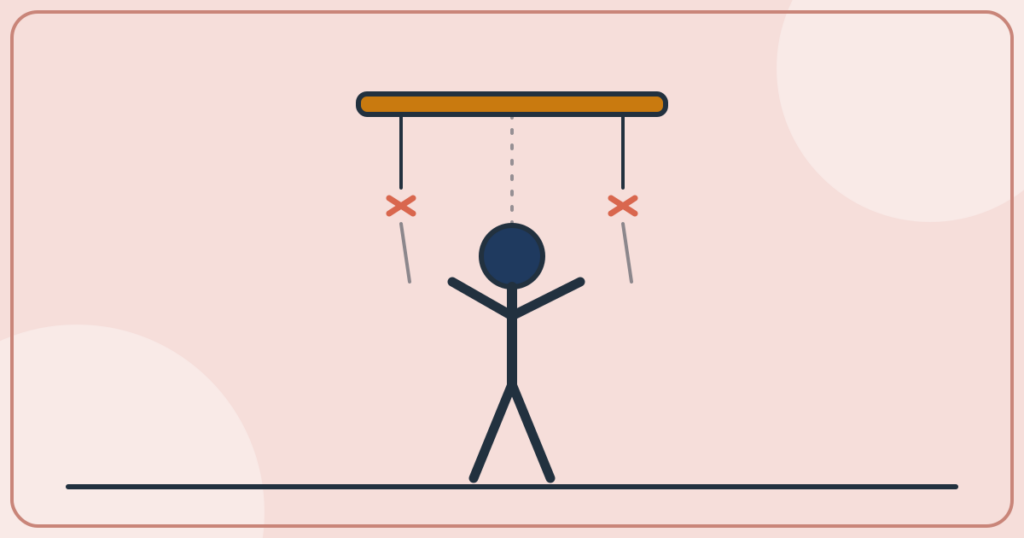
Attachment is a warm word when it describes the bond between a baby and the person who looks after it. As adults, though, many of us stay attached to people as if our survival still depended on them. Family, friends or colleagues, we hold on to them to meet our emotional, financial or practical needs.

That dependence can make you feel safe for a while. Far more often it leads to expectations, attempts at control and, eventually, heartbreak. Leaning too hard on others narrows your view of what is possible and keeps you from the independent person you really are.

Walking away is not the answer

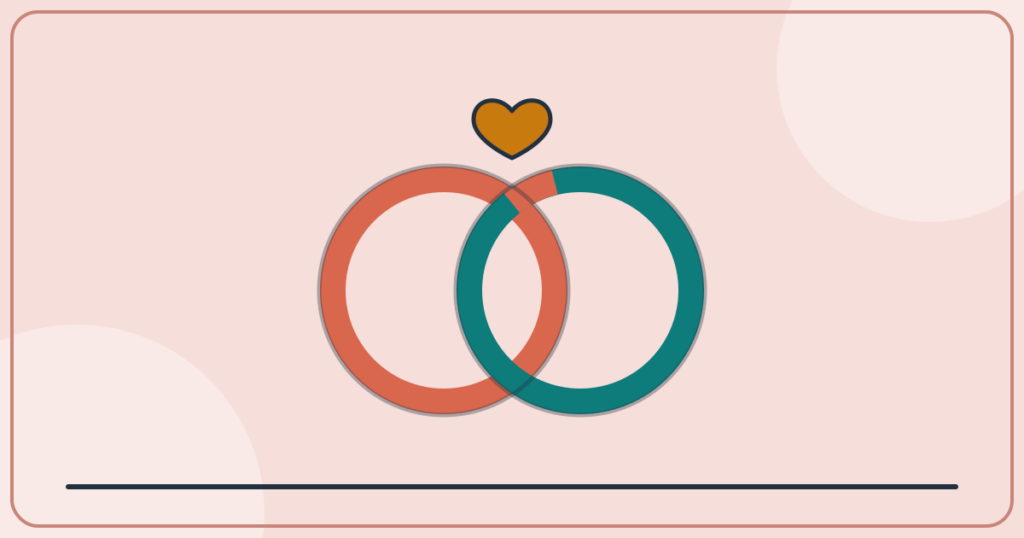
The fix lies in how you handle your relationships. Ending one and cutting the other person loose looks like an easy way out, but it solves nothing. You simply move from one relationship to the next, looking for the one special bond where every expectation is finally met.

Going silent does not work either. Shutting down communication only widens the gap and puts more pressure on a relationship that is already cracked. The resentment you carry then closes your heart, and a closed heart cannot take in even the good and happy feelings on offer. The heart is where compassion and love live, and it needs to stay open.

Staying close without clinging

  • Recognise that attachment grows out of dependence, whether emotional, physical or financial. Letting go of that dependence is how you find your independent self.
  • Talk things through to clear up misunderstandings.
  • Forgive people who have wronged you, in whatever way.
  • Drop the labels and fixed ideas you hold about how people behave, so you can see them fairly and clearly.
  • Practise acceptance, so you can understand when someone sees a situation differently from you.

Where it leads

Together these help you reach the part of you that is independent, loving, understanding and kind. Staying in touch with that true self is what makes relationships joyful without making them clingy.


Life Lessons

Two Sisters And A Stalled Train

Two Sisters And A Stalled Train

The same delay, the same carriage, two very different journeys. A short story about waiting for life to improve versus living it now.

Two Sisters And A Stalled Train

Two sisters, both in middle age, were making a long train journey from one end of the country to the other. Bad weather forced the train to stop at a small station halfway, where it had to wait until conditions eased and the line was cleared. The passengers were stuck on board for hours.

The older sister

The older sister was irritated and fed up. She complained sharply to the guards, who could do nothing about it either. She sulked without pause and became a nuisance to everyone travelling with her.

The younger sister

The younger sister would not let the hold-up spoil her mood. She moved cheerfully through the train, made friends, swapped jokes, played with the children, got people singing in one carriage after another, and generally lifted everyone’s spirits.

Strangers warmed to her. They shared their food, asked her to join them, and threw themselves into the games she organised to keep everyone amused.

Journey’s end

When the train at last pulled into its final station, the older sister was gloomy, low and worn out. As far as she was concerned, the whole trip had been a waste of time.

The younger sister had enjoyed herself enormously. She had made plenty of new friends, had fresh experiences, and kept her good mood and good humour the whole way.

What made the difference

The younger sister enjoyed the trip in spite of the delay and discomfort because she made the most of the moment she was in. The older sister was unhappy because she was waiting for her surroundings to improve. She had put her happiness off until some later point when everything would be just right.

Every day brings each of us a share of problems, obstacles, rewards and successes. Given that, living in the present opens up the most of what life has to offer. We can pay attention to what is going on around us and enjoy the small pleasures that are available right here, right now. Yet most of us stay caught up in old griefs, regrets and failures, or in worries about the future.

The past is finished. The future has not arrived. The only thing that is real is this moment, so use it well. Take hold of these moments, because none of them will come round again. Take hold of the now.

Life Lessons

Ten Good Things To Let Into Your Life

Ten Good Things To Let Into Your Life

We spend so much effort keeping bad things out. Here are ten good ones worth deliberately letting in, and why they crowd out the rest.

Ten Good Things To Let Into Your Life

Much of our energy goes into keeping things out of our lives: illness, disappointment, money trouble. Yet there are plenty of good things we could invite in that would make life richer. Here are ten worth having.

1. Awareness

Use all your senses to take in what surrounds you. The natural world offers a great deal of joy every day, if we pause to look, listen, touch, taste and smell. The reward for this kind of attention is that we worry less about what is churning inside us. It is the gift of being present.

2. Self-love

What use are your talents and strengths to anyone if, at the end of the day, you do not care for yourself? You can succeed at work and still run yourself down about your looks or your qualities, and then you never fully enjoy the work you love. Learn to value yourself. It builds confidence and carries you further than you expected.

3. Self-worth

Few gifts to yourself matter more than recognising your own value. Seeing your worth comes before truly enjoying your life. The measure is not other people’s view or opinion of you; it is how you see yourself.

4. Love

Love may be the most important thing there is. It keeps us moving. It brings relationships alive, deepens friendships and lights a warmth in us that nothing else can replace. Letting love in makes you easier to love.

5. Compassion

Holding kindness and grace towards others is a fine thing. It brings harmony to the world and gentleness to our hearts. Reach out, share in others’ troubles, and help where you can, remembering that we are all part of something larger than ourselves.

6. Humility

Pride is hard to spot in yourself and harder still to fix. Rather than fretting over what you are trying to get rid of, focus on what you would like more of. Part of humility is owning up when you are wrong.

7. Laughter

Make room for it. Whatever kind of day it has been, and whatever else you feel you have failed at, allow yourself a proper laugh.

8. Serendipity

Stay alert to things that happen unexpectedly, even when they first look bad. A happy accident can arrive dressed as a lesson. Take it gratefully.

9. Optimism

The surest way to push out negativity is to bring in more positivity. Look at the brighter side. Things will be all right.

10. Generosity

Whether you give time, money or simply a patient ear, generosity is a wonderful quality to let in. It builds better relationships, keeps your own heart open, and helps someone who needs it.

Letting in is how we let go

Good things crowd bad things out. Love grows and makes room for more good while it pushes fear aside. Joy outweighs pain. The hard work of letting go gets easier. At the very least it is a matter of balance: taking in the good deserves as much effort as clearing out the bad.

Mind & Habits

Treat Your Mind Like A Home

Treat Your Mind Like A Home

Open the windows to new ideas, clear the clutter, choose who comes through the door. Six ways to look after the place you live in most.

Treat Your Mind Like A Home

Think of your mind as your home. Open the windows so change can come in. Clear out the loft and keep the rooms in order. Let only the people you choose through the front door, and do not be afraid to build an extension that adds to its worth.

Glance around where you live. Is it tidy? Is your room in order? Would you mind if it were cramped or falling apart? Most likely you would, and if you would not, it is worth asking why. That is where you live and where you spend most of your hours. All of this, of course, is a picture of your mind. Here is how to look after it.

Lay a foundation

You cannot build without a base, and you cannot grow without something to grow from. That base is your core beliefs. Without them, everything else can come apart. So ask what your deepest values are. Whatever they turn out to be, they are the beliefs that matter most to you. Hold them with confidence even when others disagree. If they work for you and keep your house standing, stand firm.

Separate your beliefs from inherited ones

Do you believe something only because you were brought up to? That can come from school, family or friends. Do you behave a certain way because your crowd does? It may be something as small as taste. Perhaps you grew up surrounded by one kind of music and find you love a completely different kind. Do not be afraid to discover who you really are.

Repair the cracks

If your walls cracked, you would not leave them, because untreated cracks spread and worsen. Treat yourself kindly, yes, but above all deal with the worries and problems that sit on your mind and drag you down.

Explore every room

Wander through this inner house and discover something fresh: a new interest or hobby, or an ability you did not know was there. You may never have imagined running five kilometres or cooking a meal from scratch. Do not set limits on yourself. Go outside, too, and explore other people’s minds. Share your ideas and values with them and open yourself to theirs.

Keep harmful guests out

Protecting your house from damage matters. Work out whether anyone in your life is filling your head with negative or poisonous thoughts, and keep them at the door.

Match the outside to the inside

Be true to yourself; this is about being genuine. In the language of the house, do not put a sleek modern front on a dusty old interior. Dress the way you want, say what you mean and share what you feel. Nobody put you here to please everybody. Show people who you truly are.

Mind what you think

Negative thinking only breeds more of the same. Let yourself think about situations, other people or yourself in a belittling way and it spoils the most precious place you have, your mind. Regular quiet reflection, even a few minutes a day, makes it easier to steer the thoughts you produce. Treat your body with the same care and respect you would give any place you hold dear.

Life Lessons

Let Go Of Anger And Forgive

Let Go Of Anger And Forgive

Carrying an old hurt injures nobody but the person carrying it. How to let anger out the right way, then choose to forgive and walk away lighter.

Let Go Of Anger And Forgive

Clinging to old injuries and grudges harms nobody except you. Learning to release anger and forgive is how you get your freedom back.

Everyone gets angry now and then. Anger is not wrong in itself. It is an ordinary emotion, and letting it out is healthy. Handled carelessly, though, and especially when it is left unresolved, it causes trouble.

Let the anger out, the right way

Anger rising inside you is frustrating and it hurts. Sometimes the urge is to strike out and wound someone. Other times you push it down and bury it. Both are unhealthy. Anger needs expressing, but in a way that lets you release it, let go and move on.

Give yourself permission to feel it fully. Name the anger, and the hurt beneath it. The usual advice really does help: have a good cry, shout into a pillow, work up a sweat, or write it all down in a journal. These may sound worn out, but they have lasted because they work.

Anger is often aimed at a particular person. Talking to the one who wronged you can help. You cannot control how they react, but you get the chance to say how you feel, and that alone may help you let go.

Work towards forgiveness

Once the anger has been let out, forgiveness can begin. Forgiving does not cancel the other person’s responsibility for what they did. It does bring peace to everyone involved, and it is good for your heart in every sense.

How do you get there when the wound runs deep? Take your time. Forgiveness rarely arrives in a single moment. It is a process, so allow yourself to go slowly. You may still need time to grieve and think over what happened. Saying the words out loud, again and again, can get things moving. It works like an affirmation: repeated often enough, the idea settles into your mind and starts to shape how you feel.

Choose it on purpose

Deciding to forgive shows that you, not the other person, are running your life. It also frees up the energy the grudge was eating. While you withhold forgiveness, you stay tied to the person who hurt you. Even after the anger cools, they keep a place in your thoughts. Forgive, and that tie is cut. The thoughts and feelings knotted around them and the event can finally turn to something better, which frees you both.

Enjoy the freedom

Once you let go and forgive, you are properly free. Your outlook and attitude shift noticeably, as though a heavy load has come off your back. You may even wonder why you held on for so long. If so, do not punish yourself for the delay. It is all part of growing in compassion, understanding and wisdom. Take the lessons with you, along with the new sense of freedom.

Forgiveness gives twice

Forgiving does as much good for the one who forgives as for the one forgiven. The person who was wronged most needs to put down the anger and grief they carry.

Relationships

How To Deepen Your Compassion

How To Deepen Your Compassion

Compassion is more than feeling sorry for someone. It is sharing their pain and wanting to ease it. Eight ways to make it a habit rather than a mood.

How To Deepen Your Compassion

Compassion is the feeling of sharing another person’s suffering, joined to a wish to ease it. It shows up as particular kindness towards people who are hurting.

It grows out of empathy and is usually visible in what we do. A compassionate person tries to help those they feel for. A compassionate act is one that takes someone else’s pain into account and tries to lighten it as though it were your own. That is what separates compassion from other kinds of helpfulness or decency: its aim is the relief of suffering.

Real compassion takes effort, and the effort is worth it. The writer Ralph Waldo Emerson saw one of life’s finest rewards in this: nobody can honestly try to help another person without also helping themselves.

Listen, and only listen

While someone talks, most of us are rehearsing our reply and waiting for a gap to jump in. Try simply listening. Drop every judgement and give the person all of your attention. There is great healing in telling someone your darkest secret, being properly heard, and still being loved.

Answer the feeling, not the words

Angry words can be covering fear. Blame can be hiding guilt. Argue with what someone literally said and they often dig in harder. Try to understand the emotion underneath and respond to that, and they start to trust you and open up.

Keep your own support around you

We can only give love without conditions when we are also receiving it. Go out, spend time with people you love, and keep living your own life. Refill yourself, or you will have nothing left to give.

See all of them

When a person you care about is sliding down a bad path, it is easy to forget everything good about them. At that moment, deliberately recall one strength they have, perhaps their loyalty, their humour or their patience. Look at the whole person, not the worst of them.

Put yourself in their place

Suffering is shared by everyone. Nearly all of us have known joy and pain. The details differ from person to person, but the themes do not. Recall a time you went through something similar. Dwell on it and remember each feeling and worry you had, and how badly you wanted understanding and kindness from someone walking the same road. Do this often, until it becomes second nature.

Assume there is pain you cannot see

We rarely know what another person is carrying inside. So when someone irritates or offends you, stop for a moment and allow for the possibility that they are struggling with something you know nothing about.

Forgive yourself as well

Turn the same compassion inward. Nobody is perfect. Go easy on yourself when you fall short, because you are as human as anyone else. If your intentions and efforts point the right way most of the time, things will come right in the end.

Make it a daily practice

Reflect on compassion in the morning, keep it in mind as you deal with people during the day, and look back on it at night. Done this way, it stops being an occasional feeling and becomes part of who you are. Love and compassion are not extras for good times; people cannot do without them. Kindness can be your whole philosophy, and it needs no complicated system to support it.

Mind & Habits

Stop Worrying And Start Living Well

Stop Worrying And Start Living Well

Worry keeps people awake at night and nibbles at their days. Six plain, workable ways to loosen its grip.

Stop Worrying And Start Living Well

Worry is the thing that keeps so many people staring at the ceiling at night. By day it nags at them while they try to work, enjoy themselves or simply unwind. Here are some simple ways that work for getting past it.

Rein in wandering thoughts

Thoughts need discipline. Do not let them wander wherever they please, drifting like an animal left to graze or a kite whose string has snapped. You are in charge of your thoughts. Keep them on a lead.

Choose optimism, the sensible kind

Be as hopeful as you can while staying reasonable. Optimism is not lying about all day imagining you will one day lead the world’s most powerful country. That kind of fantasy helps nobody. Call up every positive attitude you have and use it to push back against negativity. Life is not all comfort, but neither is it all pain. Steer clear of a gloomy, brooding outlook. Remind yourself that your worries are small when set against your ability to deal with them.

Do not sit alone with it

Try not to be on your own. Ring a friend and meet up, or start a conversation with someone close to you in the family. Keeping busy with jobs around the house also crowds out anxious thoughts.

Find a way to be still

Meditation is widely recommended these days for both physical and mental wellbeing. There are many methods. Pick the one that suits you best. It relaxes the mind and gives you a way out of anxious thinking. Simple breathing exercises often help too.

Face the problem directly

Do not let problems eat away at you. Meet them head on. Very often a problem turns out to be much milder than you feared. People who dread losing the fight tend to put it off, and while they delay, the problem quietly grows. Tackle problems early and remove them before they take root.

Measure yourself against yourself

In a crowded, competitive world, getting ahead of everyone else can look like the only route to success. Make time to take stock of what you are good at and set your ambitions to match. Do not chase what others have. Set your own goals and work towards them. Each person is different, and trying to keep pace with everyone else only adds to your worries and leaves you frustrated for life.

Terms Explained

Reading A Mutual Fund Fact Sheet

Reading A Mutual Fund Fact Sheet

Every month a fund house publishes a short document that says how your fund is doing and what it holds. What the fact sheet tells you, section by section.

Reading A Mutual Fund Fact Sheet

A fact sheet is a short report that a fund house, known formally as an asset management company, publishes for each scheme every month, usually on its website. It is the simplest way to follow how a scheme is performing and what it owns.

It is useful for comparing schemes, both within one fund house and across different fund houses, especially if your money is spread over several schemes. It can also tell you whether your appetite for risk needs adjusting before you put more money into other schemes.

Performance

The main reason to invest in a mutual fund is to grow your money faster than prices rise. The performance section shows the returns the fund has produced and how it has done against its benchmark over different periods. A fund that beats its index and benchmark consistently tends to grow faster and give better returns, and may be worth considering.

Portfolio

Investors want the best returns, and a well-run scheme spreads its money across several sectors, because putting everything into one sector makes the fund swing more sharply. The portfolio details show you where your money has gone and how sensibly it has been placed.

Operational features

The portfolio turnover ratio shows how much the fund’s holdings have been churned during the period under review. It is worked out from the shares bought or sold as a share of the fund’s stock portfolio. Churn has a cost, and larger equity funds generally have more room to keep their expense ratios down.

Who manages the money

Investors should know which fund manager or managers are running the scheme. That lets you look up the other schemes they handle and how those have fared. A team is usually better than a single manager, since the fund is less likely to change direction abruptly if one person leaves. When the same people manage your money over a long stretch, the process gains stability.

Why people choose mutual funds at all

The case usually made for funds rests on a handful of qualities: low cost, the potential for good returns, diversification, ease of withdrawal, professional expertise, a hedge against inflation, convenience, and a regulated, transparent structure.

This is general information, not investment advice. Rules, charges and disclosures vary by country and change over time, so check the current position with a qualified financial adviser before you invest.

Relationships

How To Handle A Control Freak

How To Handle A Control Freak

Some people need to decide what everyone does and how. Four calm ways to live and work alongside a controller without being run by one.

How To Handle A Control Freak

A control freak is someone who wants to decide what everybody else does and exactly how it should be done. What marks them out is an unusually strong need to control other people.

Many are perfectionists underneath. Keeping everything around them under tight command is how they avoid showing their own weak spots. You will meet them in every walk of life, at home, at school and at work, so the useful question is not whether you will face one but how to deal with one. Four approaches help.

1. Smile and stay calm

When someone insists that you do things their way, smile, and then do what you had decided to do. Keep your composure and do not argue. A controller always needs the final word, so the argument drains you and robs you of your peace for nothing. Staying calm is hard at the start. Once you have the knack, their controlling habits slide off you the way water slides off a duck.

2. Do not try to take charge of them

Turning the tables gets you nowhere. In their own world they are in charge of everything and never in the wrong. They have probably never failed at anything, because they only attempt what they are sure they can succeed at; anything else would threaten their sense of control. There is no point trying to do things the way they would call right, since they will find a fault regardless. Do what makes you happy, and return to the first step: smile and stay calm.

3. Be kind, and praise them

Kindness is the most powerful tool here. People like this need more affection than most. They are not content inside, so they try to control everything they can in order to hold on to their idea of happiness. Kindness works surprisingly well. Fight them and they tighten their grip on you. Stay kind and they lose the power to make you lose control, which is often exactly what they were trying to achieve.

4. Choose to forgive

Forgiving the people who wrong you is a strong and freeing act. The person trying to control you may have had little love in their life. Quite likely they were controlled themselves and are simply repeating what they learned. They do not know another way. That is the situation, and you can decide to be the bigger person.

One last thought. When people resent you or envy you, it is often a sign that you are doing something right. Keep going, and do not let anyone pull you down.

Relationships

Habits That Keep A Relationship Healthy

Habits That Keep A Relationship Healthy

Love and respect are the foundation, but a good relationship should also help both people grow. Nine habits that keep a bond strong through the rough patches.

Habits That Keep A Relationship Healthy

A healthy relationship rests on love and respect, and it should also help each person grow. Relationships are delicate. Most of them pass through stormy stretches before they settle into something solid. These habits help a bond stay healthy and happy.

Bring back the first-year effort

With time, most of us relax into the comfortable equivalent of old tracksuit bottoms and stop trying. Patience, gentleness, thoughtfulness, understanding and the everyday effort we once put in all slip away. Think back to your first year together. Write down the things you did for your partner then, and bring them back.

Let it go

Anger and quarrels waste time. You may be hurt and you may be right, but sometimes the wiser move is to drop it. Pride will try to stop you. Set it aside and be the first to offer peace. You are not at war, and this is not a debate you need to win. Nobody gains anything from a fight.

Talk, even when it is uncomfortable

Most relationship troubles start when partners keep their feelings to themselves. A healthy, open bond needs both people to speak honestly to each other. Trouble also grows when partners start guessing at meanings and reading certain words or actions as hidden signals.

Change yourself, not your partner

When you love someone and expect them to drop, in time, the habits that bother you, reconsider. Want something different? Say so plainly, so your partner is clear about what you want.

Accept that you are different

People are far more different from each other than any popular book suggests. Understanding those differences, and even enjoying them, makes a shared life calmer, more interesting and more fun.

Hold a weekly check-in

Set aside a regular time, long or short, to ask each other what went well last week, what did not, and what could be better this week. Use it to line up your diaries, plan an evening out together, and talk about what you both hope for in the days, weeks and months ahead. Without a deliberate moment to take the temperature, unmet needs and resentment quietly pile up.

Get a regular tune-up

At least once a year, attend a workshop for couples, speak with a counsellor or read a book on relationships together. Even if it seems unnecessary, you will pick up an idea or two, and doing it together strengthens the connection.

Give what you hope to receive

What we need changes over the years. If you want to be understood, be more understanding. If you want more love, offer more. It is a simple rule, and it works.