Tag: Young Adults

Work & Career

When Heart And Head Disagree
When Heart And Head Disagree

Many decisions feel hard because what we want has run ahead of what we know. Close that gap, and the right choice often becomes clear.
When Heart And Head Disagree

How do you make the right decision when you are stuck in a dilemma, and how do you know it is the right one? Often we get stuck on even small choices, where heart and head keep pulling in different directions. Let us look at this more closely.

Desire and knowledge

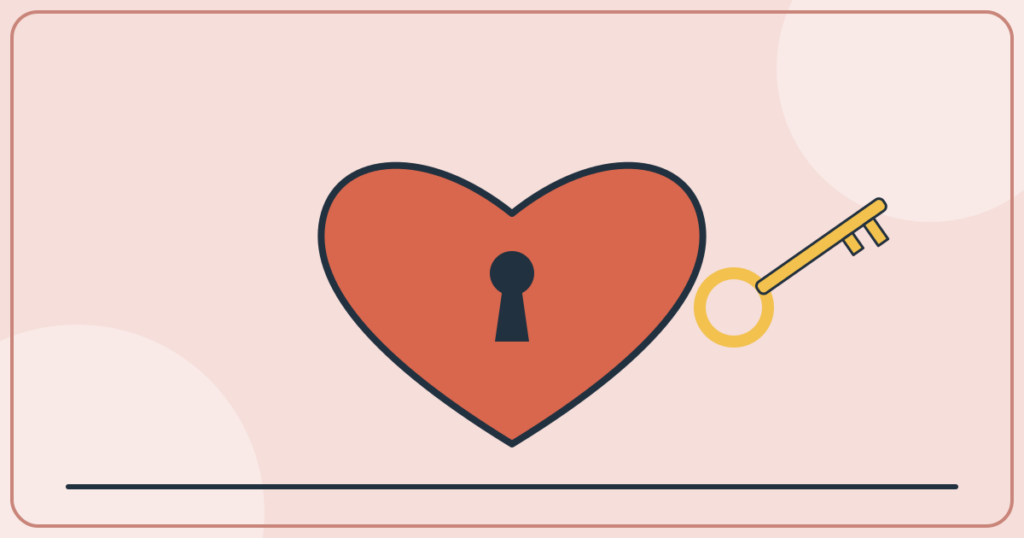
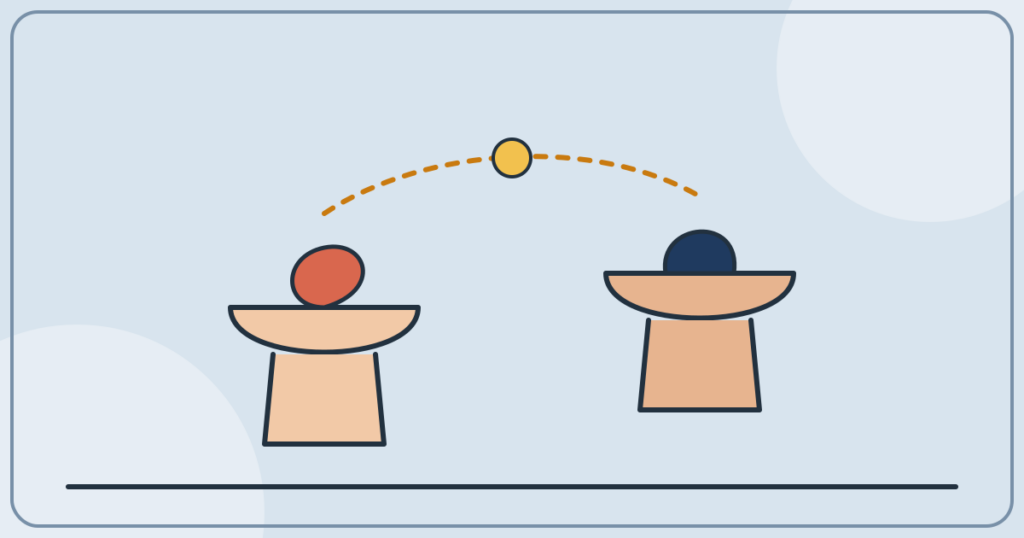
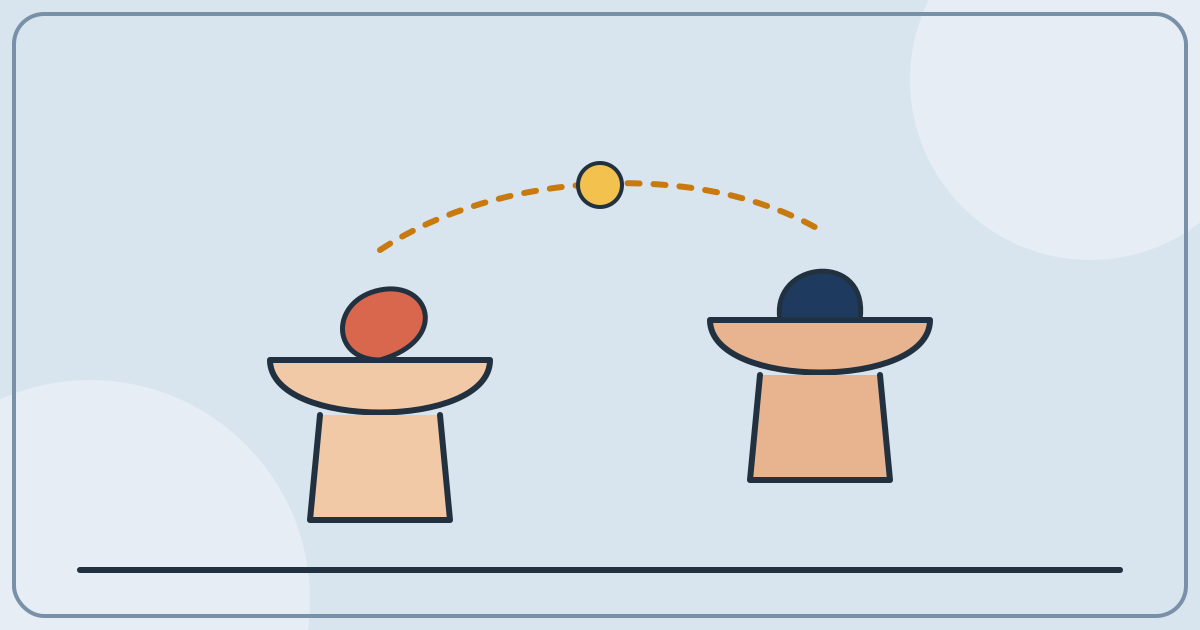
Think of the heart as our desires, the things we want to do, and the head as our knowledge, the facts and information about those things. Confusion sets in when the two drift apart, when our wanting runs ahead of our knowing. At that point we cannot be sure how things will turn out. To clear the confusion and make the right choice, we need to bring ourselves to what the clipping calls the gut point.

Reaching the gut point

The gut point is reached when we back up our head with enough knowledge to meet the strength of our desire. Once head and heart line up, a way forward tends to appear, and we get a real gut feeling about how things are likely to turn out.

Whenever you feel unsure while deciding, build up your knowledge by gathering information and details. This helps you climb out of the dilemma and reach the point where you can picture the outcome clearly, good or bad. That clarity gives you the push to choose well.

An example

Say you work for a large company but have a strong wish to give up your job and become a freelance photographer. You have no formal training, but you love taking pictures. What should you do?

First, test that love. Take a short course or a workshop and do some real photography. Very often a desire is an illusion, born from comparing ourselves with someone else’s success. If your desire stays as strong, or grows stronger, start connecting with people in the field and look into ways of earning a living from photography. As your knowledge grows, your desire will grow with it. Sooner or later you will reach the gut point, with full information, a plan and a clear gut feeling about whether to go full time and leave your job.

In everyday life

The same approach works for ordinary decisions. If we get a positive feeling, we are probably on the right track. If it is negative, we need to change something. Unlike other living creatures, we humans can deepen our knowledge to understand things better and make choices that are good for us and good for others.


Relationships

Saying Sorry Without Words

Saying Sorry Without Words

The word sorry is meant to make the other person feel better, but it is so overused that it often falls flat. Here is how to apologise through what you do.

Saying Sorry Without Words

Saying “I am sorry” is supposed to help the other person feel better. Because the phrase has been used so carelessly for so long, it rarely does its job on its own. So here are ways to apologise without saying it at all.

Every relationship goes through rough patches. Handled the right way, a problem can actually bring two people closer. An apology expresses regret for something you did wrong and is a way to start putting things right.

Do their chores

If you live with the person you upset, let them walk into a spotless home with nothing left to do but kick back and rest. If you do not live together, find a fair and welcome way to help out anyway. After a big fight, when your friend or loved one is not taking your calls, you might wash their car or tidy their garden.

Write a poem

Write one, or find one, that shows how you feel about the person beyond this one disagreement. Keep it simple, and give it to the person you wronged.

Cook for them

Cook their favourite dish, and if you are not sure what that is, find out. You could go further and bake an actual apology cake with the words “I am sorry” in the icing, because good food has a way of reaching anyone’s heart. Even a cup of coffee made with extra care and a smile can do it.

Make a collage

Put together a collage of photos from wonderful places you have been together, or happy times you have shared. Add a short message, something like: “Nothing matters more to me than the happy moments you have brought into my life.”

Take responsibility

Be as specific as you can when you own up to what you did. A specific apology means more to the other person, because it shows you have truly understood what hurt them.

Mind & Habits

Why A Hobby Is Worth Your Time

Why A Hobby Is Worth Your Time

Hobbies are food for the soul. If you think you have no time for one, you probably need one more than anyone else.

Why A Hobby Is Worth Your Time

Put your enthusiasm into a hobby and a whole new world of possibilities opens up. Hobbies feed the soul. They lift our spirits, restore our energy and refresh the mind. They can be so stimulating that they create moments of real delight. Anyone who calls hobbies a waste of time should reconsider. And if you believe you could never step away from work long enough for one, that is probably the best sign you need it. Here is why.

Recharge

When we do something we enjoy, we can step away from everyday worries and recharge. Leisure that gives us pleasure helps us recover from the demands of busy, even frantic, lives.

A creative spark

Hobbies can be healing, and they can rekindle our spark. They calm the mind and let us slip away from the outside world to reconnect with ourselves, leaving us refreshed and full of energy. Having a passionate interest that helps us unwind makes us happier, and that in turn makes us more successful in everything else we do.

Learn about yourself

Our hobbies say a lot about who we are. Doing something only because we enjoy it teaches us much about ourselves: our likes and dislikes, strengths and weaknesses, fears and beliefs. Take meditation: it shows you how restless your thoughts can get and how badly they need a quiet pause from time to time. A pastime can uncover parts of you and bring out talents you never knew you had.

Perspective

Hobbies give us a balanced view of life beyond work. They remind us how important it is to make time for ourselves and to refresh both mind and spirit. When responsibilities pile up, a hobby gives us something to look forward to. Putting energy into recovery matters just as much as putting it into work. Stepping back from life’s pressures does not only revive us. It also helps us see the bigger picture, the whole forest rather than just the trees. And you never know where a hobby might lead: to interesting new people, or even to a new career.

A boost to self-esteem

A hobby will challenge you, mentally or physically. As you rise to those challenges, your confidence grows. Solving problems and becoming good at something is both exciting and rewarding.

Keep it in balance

Overall, a hobby improves both the quality of your life and your success. But be sensible about it. A hobby should not swallow the rest of your life. Some people, for instance, pursue health and fitness to the point of cutting themselves off, giving up time with others to keep control over their food, workouts and routine. A hobby should bring balance to your life, not drive every choice you make.

Relationships

When Rumours Are About You

When Rumours Are About You

Anyone who has worked in an office or gone to school knows how much damage a rumour can do. You cannot always stop one, but you can handle it well.

When Rumours Are About You

Anyone who has worked in an office or been to school knows how much harm a rumour can cause. Avoiding rumours altogether would be ideal, but sometimes you simply cannot stop one from spreading about you. The best approach is to build habits that make future rumours less likely, and to deal with any rumour calmly and promptly.

Keep people informed

Rumours tend to grow around people who are very private about their lives or who rarely talk with those around them. There is no need to share every detail of your life with everyone. But letting a few people know how you are and what is happening helps. Then, if a rumour does start, it is harder for anyone to believe, because people already know the real story.

Treat people kindly

Not every rumour begins with close friends or family. Many start with people who do not know you well, which makes it easy for them to invent things. That is why it pays to be kind to everyone. The kinder you are, the less likely people are to act out of spite and try to damage your name. Even with people who are hard to get along with, aim at least to be kind.

If you harm someone else’s reputation, you are more likely to find a rumour spreading about you, and you will be in no position to blame anyone for it.

Do not spread rumours yourself

It really is that simple. Passing rumours along makes you part of the harm done to others. If you do it, you are no better than the person who spread one about you.

Do not take it personally

Some people carry bitterness or ill will and spread rumours because it makes them feel better about themselves. Others mishear something and pass it on without meaning any harm. Either way, a rumour is usually not a sign that you did anything wrong. Often the people spreading it are dealing with their own insecurities or simply with boredom. So do not let it get under your skin.

Life Lessons

The Boulder In The Road

The Boulder In The Road

A king hid a boulder in the middle of a road and waited to see who would move it. What happened next is a lesson about every obstacle we meet.

The Boulder In The Road

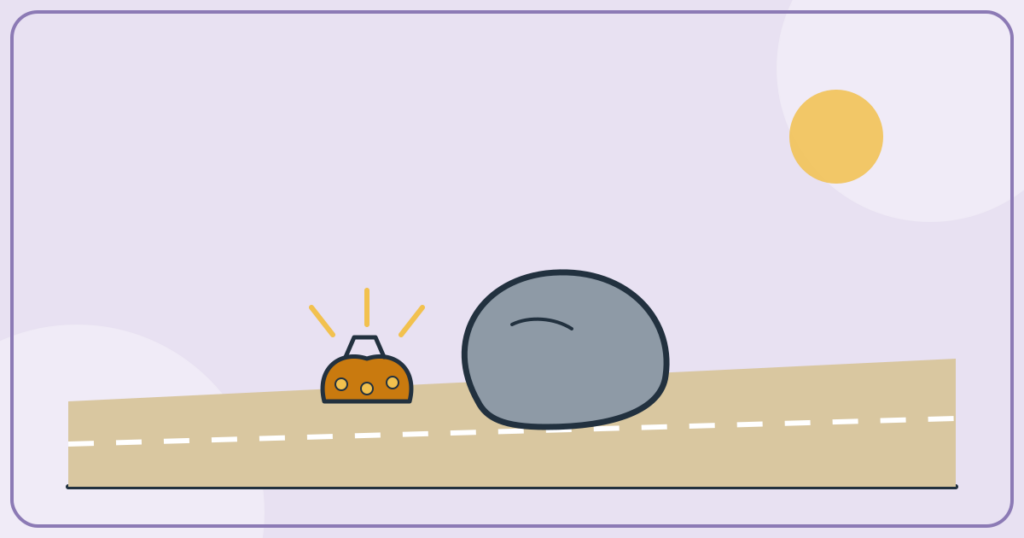
Long ago, a king had a large boulder placed in the middle of a road. Then he hid nearby and watched to see whether anyone would clear it away.

Some of the richest merchants and courtiers in the kingdom came along and simply walked around it. Plenty of people complained loudly that the king did not keep his roads clear. Not one of them did anything about the stone.

The man with the vegetables

Then a farmer came by, carrying a heavy load of vegetables. When he reached the boulder, he put his load down and tried to push the stone off the road. It took a great deal of pushing and straining, but in the end he managed it.

Returning to gather his load, he spotted a purse on the ground in the very spot the boulder had occupied. It held many gold coins, along with a note from the king. The gold, the note said, was for whoever moved the boulder out of the road.

What the story teaches

Every obstacle we meet in life carries a chance to make our situation better. While some people stand around complaining, others are creating opportunities through kindness, generosity and a willingness to simply get the job done.

The next time something blocks your path, it is worth asking whether you are walking around it, complaining about it, or putting down your load and pushing.

Relationships

Six Keys To Healthy Self-Love

Six Keys To Healthy Self-Love

Healthy self-love sits between low self-esteem and false grandeur. Six keys help you build it, and with it a life that feels fully your own.

Six Keys To Healthy Self-Love

Healthy self-love is the balance point between low self-esteem, which is a shortage of self-love, and grandiosity, which is an inflated, false self-love that covers up for the lack of the real thing. Changing your mind, body and inner life starts with growing genuine self-love. Here are six keys.

First key: Become aware of yourself

What do you keep telling yourself? Do you listen to your thoughts, sift them and question them?

Second key: Look after your body

Your body serves you and represents you. Treat it with the care you would give something precious. If you do not, you are unlikely to build self-love. Harming your body works directly against it and defeats the purpose. Your body does not just serve you, it also shows the world who you are. Treat it with respect.

Third key: Refine your inner life

When you connect with your deeper self, something shifts inside. It does not matter what you believe, or whether you believe in anything at all. What matters is that you have some daily practice that refines you within. If you do not already have one, such as quiet reflection or meditation, explore what is out there or create your own. You can begin at any age. For some it is playing or listening to music that lifts the spirit. For others it is a mix of things. Make time to build your relationship with yourself by doing something that uplifts you.

Fourth key: Make time for yourself

Every day you need some time alone to feel centred. Far from being selfish, it is vital to your wellbeing. Use it to develop your thinking and sharpen your sensitivity, perhaps on a quiet walk in nature or in some still time alone. It is the best investment you can make in yourself.

Fifth key: Find your purpose

What is your life for? Are you simply waiting for the weekend, or for the next television show? Or is there something deeper and bolder, a goal bigger than yourself that shapes the person you hope to become and what you want to say to the world? Write a personal mission statement that fits your values. It is the next step in growing as a person and in finding happiness, because it tells the world who you are.

Sixth key: Treat every day as practice

In the end, a lifetime is the total of what you did, what you lived through and where your hours went. What would you like people to remember about you? Each day is a chance to practise being that person. How you use it is a question only you can answer.

Why it is worth it

  • You deserve to be loved without conditions, whatever you have done.
  • Self-love brings a natural confidence and warmth that draw people to you and help you succeed.
  • It enriches not only your own world but other people’s too, and lets you influence them in a meaningful, positive way.
  • You come to rely on your own judgement instead of searching elsewhere for answers, approval or rescue. That is real freedom.
Work & Career

Plan Your Way To Your Best Day

Plan Your Way To Your Best Day

Reaching your full potential every day is less about willpower and more about planning. Three habits make the difference.

Plan Your Way To Your Best Day

Getting the most out of every day comes down to planning. People who manage their time well are the ones who have productive days. Here is how you can reach your full potential, one day at a time.

Keep the big picture in view

We live surrounded by distractions, and it is easy to get swept up in the stress and frustration of daily life. That is why it matters to stay focused on what you actually want. How does that larger picture look to you? Which goals do you want to reach? To make the most of each day, you first need to know what that bigger picture is.

Plan your days

Deciding how you want to spend each day is central to making it count. Without a plan, you get pushed around and drift without direction. Living up to your potential means arranging your day around what matters to you. Keep your eyes on what counts most to you. Try planning the week ahead every Sunday evening, so you can see your schedule before the week begins.

Manage your time

Planning and good time management together are what bring out your best each day. When you map out your day and decide how to use your time, you not only get more done but also find extra time for the things you enjoy. Learning to manage time matters for a deeper reason too: when you value yourself, you value how you spend your hours.

One more thing ties it all together. A positive attitude helps you stay focused on what you want to achieve every day, and turns a well planned day into a well lived one.

Mind & Habits

The Wolf You Choose To Feed

The Wolf You Choose To Feed

An old story of two wolves fighting inside every person carries a simple lesson about which thoughts we allow to grow.

The Wolf You Choose To Feed

How you experience the world happens in the privacy of your own mind. You rule that inner space, so it pays to notice what kind of mental climate you are building for yourself.

Negative thoughts can stir up anxiety, anger, resentment, jealousy and a whole range of other feelings. Thinking negatively now and then is normal. But when it never stops, it can drag a person into deep unhappiness and harmful behaviour. Our thoughts come and go so fast that catching them can seem impossible. With awareness, and a gentle attitude towards ourselves, we can still steer the negative ones towards something better.

The story of two wolves

An old folk tale shows the biggest contest we ever face: good thoughts against bad ones.

An old man was teaching his grandson about life. He told the boy that a fight was raging inside him, a terrible fight between two wolves. The first wolf was everything dark in us: rage, jealousy, grief, regret, greed and arrogance, along with pity for oneself, guilt and bitterness, feeling small or feeling superior, lying, vanity and ego. The second wolf was everything bright: joy, peace, love and hope, serenity and humility, kindness, goodwill and empathy, generosity, honesty, compassion and faith. That same struggle, he said, goes on within the boy and within every human being.

The boy thought for a moment and asked which wolf would win.

The old man answered simply: the one you feed.

Guard the gate of your mind

To build a good inner world, you have to become the gatekeeper of your own mind. Changing your mental habits and the way you talk to yourself is not easy. Happiness depends on having an alert inner referee who lets in only what truly helps you. Without regular, careful reflection, you may already have woven a web of unhealthy thinking without noticing.

Stop feeding on junk

A steady diet of stressful and anger stoking material does your mind no favours. Constantly filling it with this mental junk food will quickly reshape your thinking for the worse. Break that cycle now. How good your inner life feels is something you can change.

Mind & Habits

What Truly Confident People Know

What Truly Confident People Know

Confidence is a strange thing. Too much turns into arrogance, too little into self-doubt. Here are the truths that genuinely confident people live by.

What Truly Confident People Know

Confidence is an odd quality. Too much of it becomes arrogance, and too little becomes self-doubt. Confident people tend to be relaxed and to meet life head on, compared with those who think poorly of themselves. Here are the truths they never lose sight of.

Keep the balance

Being confident means knowing who you are and what you can achieve. Picture your goal resting on a seesaw. As long as both ends stay level, held there by integrity and honest intentions, you usually reach what you set out to do.

Prepare well

Confident people know that preparation is ninety percent of the work. The last ten percent is simply getting on with the task. Think of a skilled baker: she is sure her pastry will turn out beautifully because she has already sifted the flour, softened the butter and eggs, heated the oven and set everything out before she starts.

Make no excuses

They do not blame others for what they do, and they own their actions. You may have failed at something, but that is no reason to push the work onto someone else. A bad day, or waking up in a foul mood, is not an excuse.

Accept that mistakes happen

However prepared you are, things still go wrong. The baker might sneeze while adding an ingredient and ruin the whole batch. That does not shake her, because she knows she is still a good baker. She is simply human. Confidence means knowing she can bake another batch after one, two or even three failures.

Be your own person

Confident people accept themselves. They have the courage to act alone and do not lean on others to feel complete. Be original, and do not give up your values just to fit in.

Stay away from negativity

Keep your distance from people who are not on your wavelength, or you may find yourself in constant friction with them. Keeping clear of the negativity helps keep negative thoughts away too.

Respect others

Truly confident people know that respecting other people’s abilities and individuality reflects well on them many times over. Confidence without ego means you do not see yourself as better than everyone else. Confidence mixed with ego throws you off balance, and your hopes come crashing down.

Welcome change

We often avoid thinking about endings because they make us anxious. We also tend to forget that life keeps changing, and so do we. We feel safe when things stay the same, so we cling to what we know. The truth is that change has to be embraced.

Let go of pleasing everyone

Confident people know they will meet some people they simply do not get along with, and they are at peace with that. Accepting that you cannot please everyone saves a great deal of time and trouble. They keep their focus on the strong relationships they already have and on being thankful for them.

Release the need to control

Sometimes things do not work out the way we hoped. That does not mean life is terrible. Confident people choose to keep their attention on what is still good, even then.

Behind all of this sits one simple idea: goals beat dreams. Confidence grows from working towards something and reaching it, then doing the same again, until your mind knows the routine of moving from wanting to having. To reach a goal, you have to move.

Relationships

Turning Dislike Into Friendship

Turning Dislike Into Friendship

Not everyone has to love you. But when someone who matters seems set against you, a few calm steps can often turn things around.

Turning Dislike Into Friendship

Nobody can be liked by everyone, and some people simply do not get along. That is perfectly fine. Sometimes, though, it really matters that a particular person warms to you. They might matter to someone dear to you, or they might be the person you report to. In any case, here are some ways to win over someone who seems to dislike you.

Check that it really is dislike

Some people are just quiet, or naturally reserved with everyone. It is only real dislike if they keep being rude to you and go out of their way to make your life harder. Before you do anything, compare how they treat you with how they treat others, and do not overreact.

Talk to them directly

Sometimes the straightforward route is the best one. Choose a good moment and calmly ask why the two of you seem to have started off badly.

Look honestly at your own part

Was it something you said or did? Think about how you generally behave and about your past dealings with this person. If their dislike turns out to be your fault, consider saying sorry and starting again.

Try kindness

Give warmth a chance, even when they are being unpleasant. Be kind to them a few times and see whether they meet you halfway. Do not go overboard. Give them a fair chance to respond in kind, and if they do not, simply keep a polite distance.

Keep things normal

Speak to them the way you would to anyone else. At the start of the week, ask how their days off went. You do not need to sit beside them and chatter. One friendly gesture a day can go a long way towards changing how they feel about you.