Tag: Young Adults

Tips & Tricks

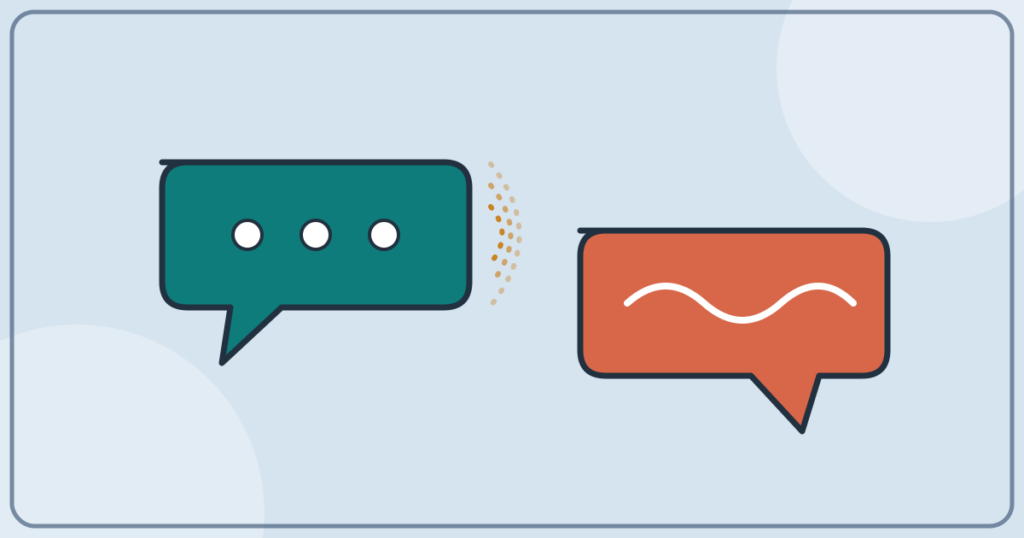
Talk To Difficult People Without Losing Your Calm
Talk To Difficult People Without Losing Your Calm

Some people cannot be reasoned with, yet you still have to talk to them. Five skills help you keep your dignity and your temper.
Talk To Difficult People Without Losing Your Calm

Most of us have tried to reason with someone who simply will not be reasoned with. It is frustrating, maddening and sometimes a little frightening. The five skills below help you stay steady, so that you walk away from the conversation with your dignity intact.

Remember that it is about them

When someone lectures you, hands out advice you never asked for, or blames and attacks, they are often describing themselves. Before you react, imagine the same words aimed at the speaker. Do they fit better there? You can even turn the question around and ask whether the person has lived through what they describe, or felt the way they say you should feel.

Ask to be heard without being advised

Sometimes you do want to share something, just not to receive a fix. Say so at the start. Tell the person you would like to tell a story or describe an experience, and that you are not looking for advice. Ask whether they can simply listen while you unload a little. That one sentence heads off a good deal of irritation.

Listen like you mean it

Work out what the person is saying and what they seem to feel underneath the words. Then say it back to them, so they know you understood. Acknowledging what someone has said removes much of the friction from a conversation. You do not have to agree. You only have to grasp where the other person stands.

Give them some room

Perhaps a colleague wants to talk through personal troubles yet again, and you have neither the time nor the energy, with your own work waiting. Answer kindly. Say that you would like to hear more, but that you must get back to your task.

Speak your own truth

Do not be afraid of your feelings, or of saying what is true for you as it arises. Many people get emotionally hijacked because they dread feeling something uncomfortable. They want to get along, so they bottle it up, and the pressure comes out later in a worse form.
Work & Career

Working Hard Versus Working Smart

Working Hard Versus Working Smart

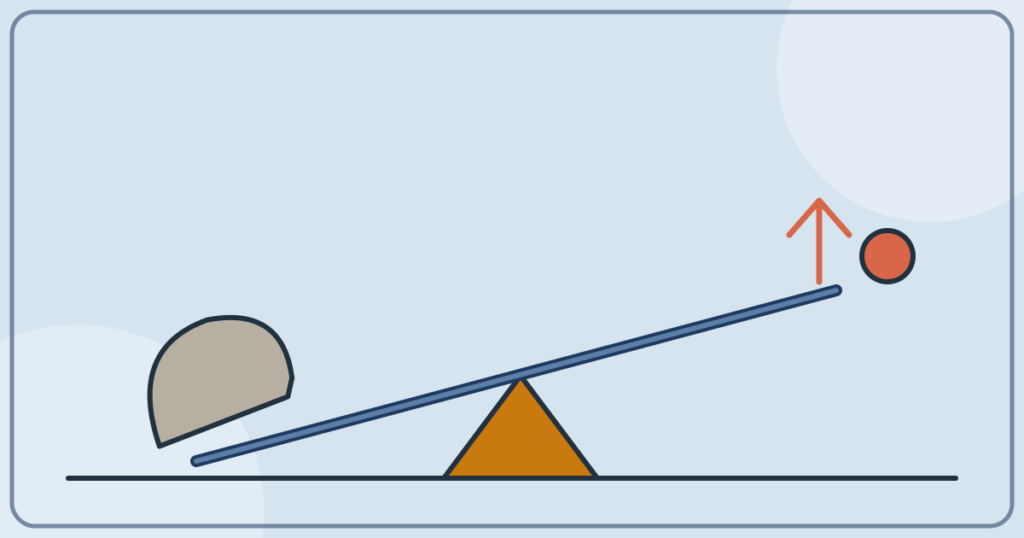
Parents swear by hard work and the new generation by smart work. The better answer is to do both, on the right things.

Working Hard Versus Working Smart

There is a long running argument about work. Older people tend to believe in working hard. The new generation believes in working smart, meaning more effective work and more time for themselves. They say that once you clock out, the work should stay behind. Each view has strengths and weaknesses, and many people wonder whether they have to pick one. They do not.

It is about balance

Know your limits. If you are exhausted, it is fine to take a break and return to the task refreshed. That does not mean you have stopped working hard. Working smart often means the good idea shows up once the mind is rested.

It is about being strategic

People who only work hard are often busy because they are overwhelmed by the tasks on their plate, perhaps five projects with tight deadlines. People who work both hard and smart set goals, rank the workload and keep looking for better ways to get the projects done.

It is about the right things

Someone who works hard on the wrong things will not succeed. Neither will someone who works smart on the wrong things. The skill lies in knowing which task needs your full effort, and not wearing yourself out on a job that matters less.

Mind & Habits

The Blessing Of Higher Emotional Intelligence

The Blessing Of Higher Emotional Intelligence

Emotional intelligence is hard to measure but easy to recognise. Seven things people with a high level do differently.

The Blessing Of Higher Emotional Intelligence

Emotional intelligence, often shortened to EI, is the ability to understand and handle your own feelings and those of the people around you. It affects how we manage our behaviour, get through social situations and make personal decisions. People with a higher level of it read the world and its people well, and they adjust their emotions to the place and the moment. Here are seven things they tend to do differently.

They are driven

They see the problems in the world and in people, yet they do not lose heart. They look for new ways around the obstacles and want to improve things for everyone.

They are self aware

They know their strengths and their weak points, and how to work on the weak ones. They are comfortable being who they are and feel secure in it.

They are empathetic

They listen to other people’s troubles and feel real compassion, placing themselves in the other person’s position. They feel the pain without letting it swallow them, and they look for a solution. They do not stay in the dark place of negative feelings.

They are curious

Everything interests them. They keep learning, enjoy new experiences and try several ways of solving one problem to see where each leads. They share what they learn, because knowledge grows when it is passed on.

They handle change well

Most people fear change. They believe it brings something good, that a few things may go wrong for the greater good, and that they will get through whatever comes.

They strike a balance

They are neither all work nor all play. They know what must be done on time and what can wait, and they give themselves breaks. They keep a routine and stick to it.

They do not chase perfection

They know perfection is a myth. They do what feels right at the moment, taking their strengths and weak points into account, and get on with it.

Life Lessons

Choose The Right Role Model

Choose The Right Role Model

A good role model gives direction when you feel lost. Here is how to pick one, and why patience matters most.

Choose The Right Role Model

A role model is someone in your field or in your life whom you look up to for guidance or inspiration. You may never speak to them, yet they show you which way to go.

Why they matter

Role models count most for young people. When you face pressure from friends, money problems, an unsupportive home or a hard decision, a role model can offer input and advice where nobody else does. Someone struggling with an illness or a disability can gain a great deal from a person who has come through the same difficulties and can show how to cope.

Who can serve

Almost anyone can play the part. An older sibling, a relative, a teacher, a neighbour, a world leader or your own manager may be the person whose example shapes you most. Ask yourself whom you admire and why. The people you admire now are probably giving you your most useful lessons. Leaders at work matter here too, because a team with positive supervisors as role models gains from it, and so does the whole organisation.

What a good one does

Whatever their line of work, good role models share one trait: their example encourages those who follow to go further. They keep you motivated and lift your confidence.

How to pick

Start with four questions. What are your values, and what type of person do you want to be? What qualities do you need to live by those values? Who, near or far, shows those qualities consistently? What can you learn from how they live and what they have achieved? You can have separate role models for separate areas, such as business, social life and fitness. Write down your goals, find people who have reached what you want, and study them. That study becomes a map.

Keep your perspective

Most of us want success yesterday, and impatience pushes us to slack off or give up. Count the years your role model needed to get where they stand. That count shows how slow real progress is, and how much dedication it asks for.

Relationships

Ways To Escape The Friend Zone

Ways To Escape The Friend Zone

Developing feelings for a friend is common and awkward. A few patient steps make the next move clearer and kinder.

Ways To Escape The Friend Zone

You have grown fond of a friend and you are not sure what to do about it. That spot is often called the friend zone, and plenty of people find themselves there. There is no perfect script, but these steps make it easier.

Look at the risks first

A friendship you value is on the line, so think about what you stand to lose before you say anything. Once you have weighed it, begin showing your interest in small ways instead of a sudden declaration.

Find out where the other person stands

Talk to the friends you both have in common and learn how they feel about you. This helps you judge whether the feeling might be shared, without putting either of you on the spot.

Get the timing right

Even a direct approach works better with care. Do not blurt everything out of the blue. Wait until the two of you are alone and can speak openly, with no distraction and nobody around to cause embarrassment.

Build up slowly

Start with something small and work your way up. A long friendship will not turn into something special overnight, so give the change time to happen.

Be upfront

Say plainly how you feel. Hints and games only confuse people. An honest sentence, said kindly, respects the other person.

Be ready for a no

When you invite your friend on a date or make your feelings known, the answer may be no. Prepare yourself for that. If the friendship does not survive the conversation, do not blame yourself. You acted honestly, and that counts for something.

Tips & Tricks

The Secrets Of Top Students

The Secrets Of Top Students

The best students in a class rarely study more hours or use a trick. Six habits set them apart, and anyone can copy them.

The Secrets Of Top Students

In every class a few students seem to do well without visible strain, while others study just as long and fall behind. It is tempting to look for a secret, but no pill is involved. What separates them is a small set of habits that anyone can borrow.

They go beyond the syllabus

Real learning does not stop at the textbook. Good students read other books, look up the ideas online and find out more than the class covered. That extra knowledge gives them something to add in an exam, and teachers notice it.

They take notes

Teachers cannot say everything twice, and most of it will not be in the book. Writing down what matters in class gives you material to return to at revision time, when the lesson is long gone.

They have a place to study

Learning does not happen well just anywhere. A quiet, well lit room helps, or a proper table in the bedroom where you can sit upright instead of lying on the bed. Keep the phone and the computer out of reach so that the temptation never comes up.

They make the page work for them

Highlight key lines and definitions in books and notes. Turn chapters into flow charts built around keywords, and put comparisons into tables. Headings and subheadings make a page far easier to scan than long paragraphs, and the more visual your notes are, the more easily the keywords bring back the rest.

They practise daily and test themselves

Reading a chapter proves nothing. You need to check whether it stuck. Teachers can set mock tests, and if they do not, a parent or friend can write one for you.

They plan with a timetable

Set aside fixed hours with clear goals, and build short breaks into them so the mind does not overload. Draw the timetable up well before exams. That way there is no last minute cramming, and no rote learning done in panic.

Health & Body

Dog Owners Live Longer

Dog Owners Live Longer

A large study reports that people who share their home with a dog tend to live longer and face less heart disease. The reasons are ordinary and worth copying.

Dog Owners Live Longer

Anyone who has come home to a wagging tail already suspects that dogs are good for us. A study reported in a scientific journal now gives that hunch some numbers.

What the study found

Researchers looked at records for more than thirty lakh people between forty and eighty years of age. Those who kept a dog were about a third less likely to die during the follow-up period than people living alone without one. Their risk of heart and blood vessel disease was also lower, by roughly eleven percent. In plain terms, a household dog was linked to a healthier and longer life and to a smaller chance of a heart attack.

Why a dog might help

The first reason is movement. A dog has to be exercised, and that means the owner walks, in all weather, most days of the year. Regular walking is one of the best things a person can do for the heart, and here it arrives without any willpower, because the dog insists.

The second reason is company. Dogs are cheerful, and their owners meet more people on those walks. A wider circle of familiar faces adds to happiness, and happiness in turn is good for health.

The bond itself

Dogs are known for loyalty, and the old phrase about a dog being a person’s best friend has lasted for a reason. Their affection asks for nothing in return. Cat lovers may argue the point, but the study is about dogs, and it suggests that this steady, uncomplicated companionship is good for the body as well as the mood.

A fair note

A study of this kind shows a link, not a guarantee. A dog is also a long commitment of time and money, so it suits those ready to walk, feed and care for it for many years.

Mind & Habits

Build A Photographic Memory

Build A Photographic Memory

A sharper memory is a set of small habits, not a gift. Eight practical ways to train it, and one note on when a poor memory needs a doctor.

Build A Photographic Memory

The more moments you can recall, the fuller your life has been. Being able to bring back a great day in detail, or a fact you need at work, is worth a lot. The encouraging part is that this skill can be built. These habits show how.

Believe in your own memory

Most people decide early that their memory is poor. That belief does harm before any training starts. Approach the effort with a positive mind and treat it as a skill that improves with use.

Attach numbers to meaning

Numbers slip away faster than almost anything else, which is why birthdays and important dates get forgotten. Tie each number to something that matters to you and it gains a hook. A number that stands for a moment in your own life is far easier to keep.

Cut the distractions

Often the trouble is not forgetting but never taking the information in. A mind pulled in three directions stores nothing well. Give one task your full attention, then move to the next. Doing things singly feels slower, yet it saves time later because less needs to be relearned.

Picture it

To remember a situation or an object, build a vivid image of it in your head. The picture gives the fact something to cling to.

Group what you must carry

If you need to buy six things, sort them into three small groups instead of holding one long list. Short clusters are easier to hold than a single string.

Play games that train recall

The simplest is a tray of ten different objects. Look at it for thirty seconds, cover it, then write down everything you saw. Repeat it with a friend setting the tray. Puzzles such as Sudoku, crosswords and the Rubik’s cube add to this, and they also build concentration.

Move and calm down

Stress wears memory down, so reducing it helps. Regular exercise, yoga and meditation all lower stress and leave more room for recall.

When forgetfulness is a warning

Trouble with memory and focus can also accompany a low mood or anxiety. Time outdoors, gentle practices such as yoga or tai chi, and company from friends and family can lighten the load. If the low mood does not lift, speak to a doctor rather than trying to solve it alone.

Tips & Tricks

Personalise Your Style

Personalise Your Style

A look that is truly yours does not need expensive clothes. Five small changes lift an ordinary outfit.

Personalise Your Style

Creating a look that is uniquely yours is harder than it sounds, because few of us can afford an entire wardrobe of exclusive outfits. Putting on a good suit is rarely enough anyway. What sets you apart are the small tweaks and flourishes that turn a by-the-book outfit into one people remember. Here are five easy ones.

Wear a little jewellery

Avoid pinky rings and diamond studs, but tasteful options do exist. A plain white tee is the perfect backdrop for a fine chain or pendant, ideally in a masculine gunmetal finish. Or try pairing your watch with a leather or canvas bracelet. The contrast between rough and polished adds a quiet high-low touch that lifts a plain wrist.

Work on the tailoring

Suits once wore all kinds of ornaments, from lapel pins to buttonholes, ruffled pocket squares and even pocket watches. Much of that was lost to overwork, but a light touch still helps. A simple lapel pin in silver or brushed metal gives a jacket a sophisticated edge, and a sharp tie clip brings personality to an office uniform.

Swap the buttons

Buttons are a tell-tale sign of low quality. On budget chinos, pea coats and blazers they are almost always cheap plastic. Replace them with vintage horn or metal ones that have some weight. It is a cheap change that can make a pocket-friendly purchase look twice as expensive.

Distress your denim

A razor blade can turn pristine dark denim into something worn in about twenty minutes. Restraint matters. You can always add more nicks if you want a rougher look, but once you slice a gaping tear in the wrong place, the jeans belong in the rubbish.

Paint your shoes

If you have time and imagination, design your own colours. First strip the finish from your shoes with nail polish remover to expose the leather. Use tape to mask the areas you want to leave untouched, then spray the base colour. Mask again and add any other colours. Once dry, finish with a sealant for a glossy look that protects the paint.

The principle

Every idea above costs little and takes an afternoon at most. Personal style is a set of small decisions repeated until they add up to a signature.

Do It Yourself

Improve Your Handwriting

Improve Your Handwriting

Better handwriting takes time and patience. Eight simple habits make the practice easier to start and easier to keep.

Improve Your Handwriting

Working on your handwriting is slow, tiring and easy to put off. That is why wanting it enough is the first real step. Once you are, these eight habits make the work lighter.

Set yourself up

If you are left-handed, choose pens with fast-drying ink. The ink then does not smear under your hand as it moves across the page.

Next, check your grip. The right grip is simply the one that is most comfortable for your hand. It eases the strain on your joints, lets you write smoothly and keeps your hand from tiring over longer stretches.

Find something worth copying

Look at accounts on social media that share attractive handwriting and try to mimic what you see. If you would like a classic model, learn the basics from an old penmanship manual. One well known nineteenth century book taught the subject in classrooms for years.

Practise with a purpose

Print free handwriting worksheets and work through them. Copying neat letter shapes over and over is dull, but it is how the hand learns.

Then turn practice into something you look forward to. Keep a diary, and treat the writing as a way to relax and ease your mind. Or write a letter to a friend or a member of your family. A real reader gives the effort a reason.

Keep it small

You need no special kit. A comfortable pen, a few printed sheets and a few minutes a day are enough.