Tag: Young Adults

Work & Career

Three Barriers On The Road To Success
Three Barriers On The Road To Success

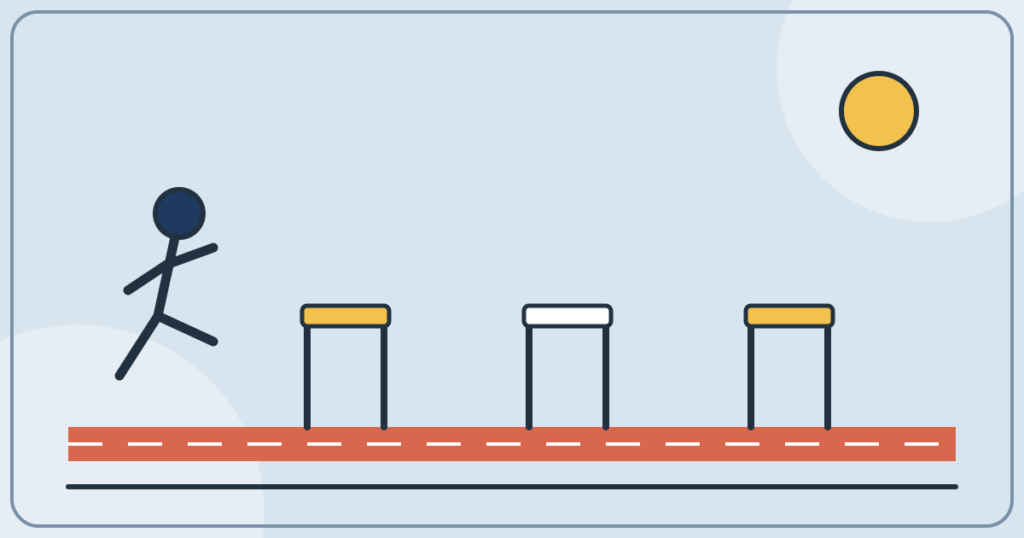
Anything worth achieving comes with uncertainty, dedication and sacrifice. Three common barriers stand in the way, and each one can be crossed calmly.
Three Barriers On The Road To Success

Anything worth accomplishing arrives with a large dose of uncertainty, dedication and sacrifice. Success, and using the potential you have, does not just happen. Meeting barriers along the way is not unusual at all. Most of us have run into such frustrating challenges. The real success lies in wading through them effectively and calmly rather than being stopped by them.

Three barriers in particular make the path harder than it needs to be.

1. No motivation

The lack of motivation is one of the most common barriers of all. Motivation is what lights the desire to succeed in the first place, and without it, moving forward is very hard. It is the drive that makes you work hard and keep working until you reach your final goal.

2. Not even trying to clear the obstacle

Very often, people do not even attempt to remove an obstacle. They fear they cannot go very far, so they never start. But there is no question of success if you do not even try. Risk is a large part of every worthwhile effort. And if you do meet failure, it is not wasted: it teaches you to perform better, and it often becomes the very step that leads to success.

3. No plan

One of the biggest barriers is failing to plan a strategy. Dreaming is not enough. A dream becomes real only when you take honest stock of what you already have in hand and what you still need to gather. So:

  • State your goals clearly.
  • Sketch a blueprint of the route you mean to take.
  • Stick to that plan.
  • Make sure each part of it is actually accomplished.

Find the desire, dare to try, and make the plan. Then the barriers stop being walls and become part of the road.
Life Lessons

The Empty Space Inside The Bowl

The Empty Space Inside The Bowl

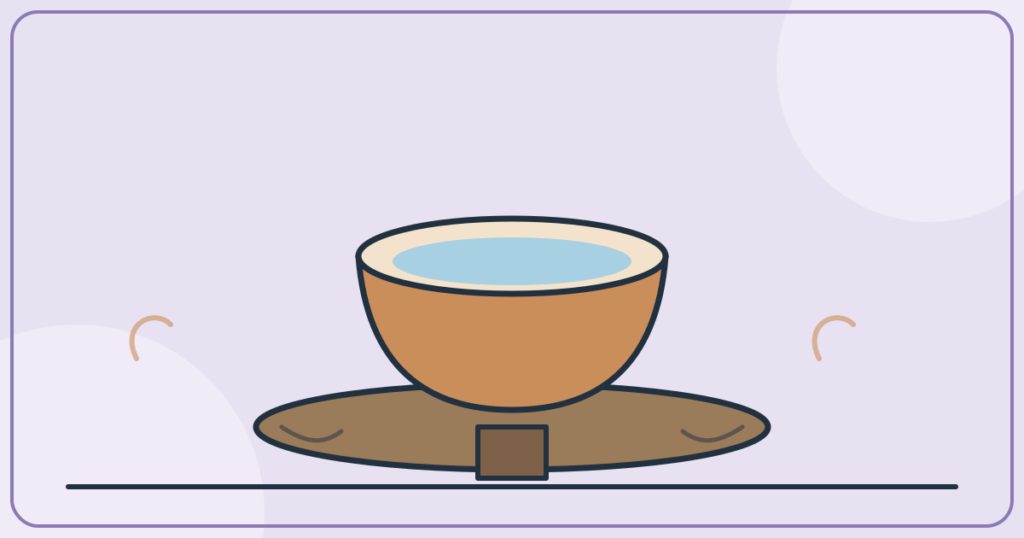
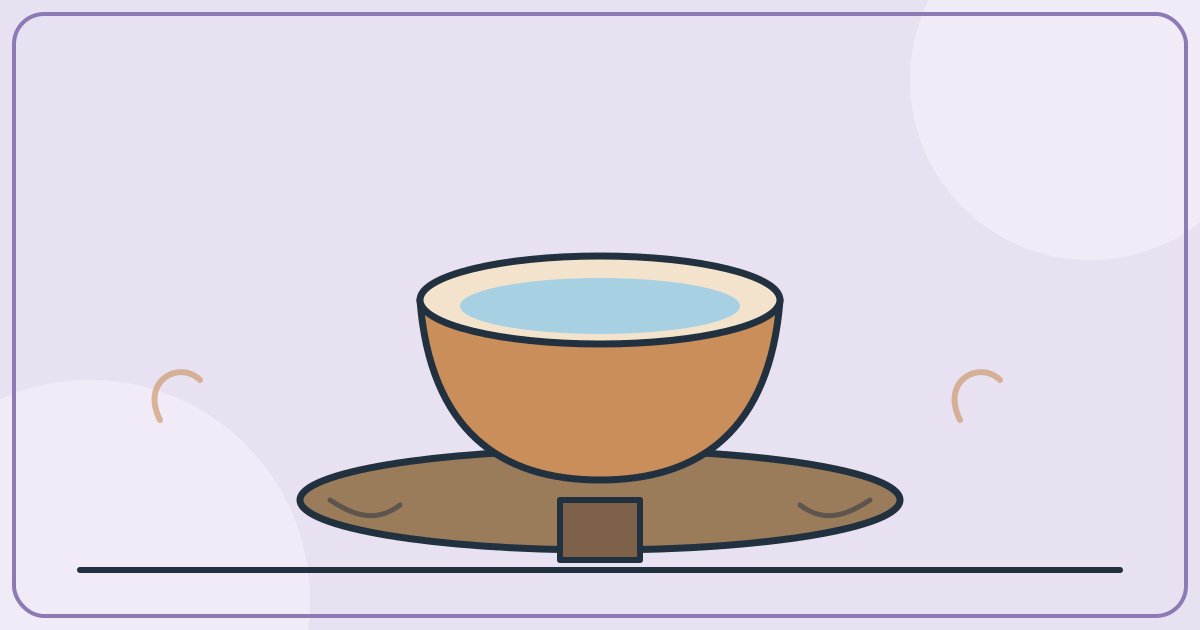
A bowl is useful because of the empty space it holds, not the clay around it. Our lives work the same way, and shaping that space is what free will means.

The Empty Space Inside The Bowl

Take a lump of clay and feel it in your hands. Now set it on a potter’s wheel and let it spin. What takes shape? A bowl. Look a little closer, though, and you notice something strange. The bowl is not really defined by the clay. It is defined by the empty space the clay encloses.

The useful part is the part that is not there

It is that empty space which holds the water, and holding water is the whole purpose of a bowl. The physical form of the bowl simply reflects the space it creates. How the bowl will be used, and what final form it takes, is decided in the moment the potter’s hands shape it on the wheel.

So the clay gives the bowl its walls, yet the bowl is more than a clay shell. Its very definition must include the empty space inside. Indeed, the space matters more to a bowl than the material it is made of.

What this says about us

The process of shaping that space is a fine picture of free will. Free will is our power to give expression to the true nature of the space within us. It lives in the moment of shaping: the whim of the instant, the place that comes before a dream, the second when the hands decide which way to press.

None of us starts with a blank wheel. Our first empty space is formed by others and by what we are given:

  • our parents
  • our teachers
  • the culture we grow up in
  • our own bodies
  • the habits and tendencies of our minds

And yet, with all those early influences, every one of us keeps a remarkable amount of freedom to shape that space in our own way.

The next time you hold a cup or a bowl, notice the emptiness that makes it useful. Then ask what shape you are giving to your own.

Mind & Habits

When You Live At Half Speed

When You Live At Half Speed

Passivity is a learned habit of living at half speed. It makes every glass look half empty, and it is undone by small, steady acts rather than one big push.

When You Live At Half Speed

Passivity is not laziness in the ordinary sense. It is a compulsion, often a learned one, to move through life at half speed. Over time it leaves a person seeing every glass as half empty. Once that view settles in, plans and goals get only half a heart, and half a heart rarely finishes anything. The good news is that a learned tendency can be unlearned. Here is how to begin.

Look honestly at your own behaviour

Start with a few plain questions, and answer them truthfully. What makes you hold back and act in such a passive way? Is it that nobody around you offers encouragement? And the hardest question of all: does the way you behave right now help you, in any way at all, to reach the goals you say you want? Most of the time the answer is no, and seeing that clearly is the first push.

Then act on what you find

Awareness alone changes nothing. Set yourself small goals that can be reached in a short time, and go after them. Use your will power to carry each one through to the end, because a finished small task does more for you than a grand plan left halfway. Every small win you collect builds the motivation that passivity has been draining away.

Do not lose heart too quickly

Getting discouraged early is one of the biggest traps. Some things simply take longer than others, and watching slow progress can be disheartening. Slow is not the same as failing. Expect some tasks to drag, and keep going anyway.

Learn to be assertive

Speaking up for what you want and following through will feel awkward at first, and it does take time to learn. Practise a little every day. After a while it becomes comfortable, and you will find yourself far more motivated to complete what you start.

Keep a journal

Write down the changes you notice in how you behave, and the difference each one makes to your life. On a low day, those pages remind you how far you have already come. That is the real purpose of the journal: to be a source of encouragement you can open whenever you need it.

Half speed is a habit, and habits answer to repetition. Ask the honest questions, take the small steps, be patient with the slow ones, and write it all down.

Relationships

Why People Break Their Promises

Why People Break Their Promises

It is easy to judge someone who lets us down. Often a broken promise comes not from bad intent but from insecurity, wishful thinking or a struggle to say no.

Why People Break Their Promises

Judging others for what they do or leave undone comes very easily, and to forget about our own behaviour. Human beings are wonderfully complicated, so much so that we can act in mixed and contradictory ways without even noticing. Promises show this clearly.

Not every broken promise is malice

Some people do break their word openly and on purpose; there is no doubt about that. But many others behave this way because of deeper issues they are not fully aware of. Understanding those reasons will not make a broken promise hurt less, but it can help you respond more fairly, and notice the same habits in yourself.

Insecurity

Sometimes people break promises because they feel insecure. Think of a parent who cannot bear to refuse a child and says yes to everything that is asked. Promises made to avoid disappointing someone in the moment are hard to keep later.

The glow of the moment

Most often, we get carried away in warm, happy moments when promises feel lovely and cost nothing to make. The very promises that seem so important at the time can easily slip through the cracks afterwards, once ordinary life resumes.

Self-deception

Some people are carried along by their own wishful thinking. They truly believe they can do everything they promise. Others are simply not good at being realistic, and get swept up by the excitement of the moment. Either way, they promise things they cannot deliver.

Not knowing how to say no

Some people break promises because they do not know how to be assertive. When a partner, child or friend asks them to commit to something, they cannot bring themselves to refuse. If you have never learned to set boundaries, you may end up taking responsibility for something you already know you cannot do.

Look a little deeper

In the end, people who break promises do not always mean harm. They may be dealing with difficult personal issues that they still need to work on. And if you recognise yourself in any of these patterns, the cure is simple, if not easy: promise less, think before you agree, and learn to say a kind, honest no.

Life Lessons

Five Signs That Change Is Coming

Big changes in life often announce themselves before they arrive. Here are five quiet signals that you may be on the edge of a turning point.

Five Signs That Change Is Coming

Sometimes you are on the edge of a real change in life without realising it. The signs are there, but they are easy to miss or to dismiss as bad luck. Recognising them helps you stop fighting the turning point and start preparing for it. Here are five clues that change is on its way.

Patterns keep appearing

Something keeps coming back into your life. It might be advice a friend once gave you that now turns up again in other forms, from other people, in something you read. It might be a dream that plays on repeat. When the same message keeps finding you, it may be worth listening to.

You feel uneasy

Are you having trouble sleeping? Feelings of anxiety and restlessness are starting to creep in, and you find yourself asking why you feel this way. Often this unease is the mind sensing that something needs to shift before you can name what it is.

Everything seems to go wrong

You are struggling in areas of life you thought were going quite well: work, money, relationships and more. Life seems to land one blow after another. Hard as it is, a run like this often clears the ground for something new.

Something does not feel right

Beyond the mess on the surface, you feel deep down that something is off. It does not sit well with you, yet you cannot quite put your finger on it. That quiet sense of mismatch is worth taking seriously rather than pushing away.

The truth comes out

Then comes the moment of truth. A revelation shows you what you had overlooked, or what was right in front of you all along. It is an eye-opener, and it often makes sense of all the signs that came before.

What to do with the signs

None of these signals is a reason to panic. Taken together, they are an invitation to pause, look honestly at your life, and ask what is ready to change. Change handled with open eyes is far easier than change that catches you by surprise.

Life Lessons

Three Ways To Stay Calm When Life Hiccups

Three Ways To Stay Calm When Life Hiccups

Every life has its bumps. Three steps, beginning with calming yourself, help you meet a hard moment with a clear head.

Three Ways To Stay Calm When Life Hiccups

Every life has its hiccups, the setbacks big and small that arrive without warning. Here are three ways to deal with them calmly. The first, and the foundation for the rest, is to steady yourself.

Breathe first

Small trouble or large, it is hard to handle well when you are tense. So before you plunge into a pressing situation, give yourself a few moments to breathe and to find your centre again. A few slow breaths cost nothing and change the quality of everything that follows. Keep in mind the old saying that a person cannot conquer anything until they have first conquered themselves. The first thing to bring under control in a crisis is your own mind.

Choose optimism

Most of us, when we face a personal problem or a work challenge ahead, ask ourselves what the worst possible outcome is and how we can avoid it. Try changing the question. Face each new situation with a different question: what is the best result I could hope for, and how do I bring it about?

The shift sounds small, but it changes where your energy goes. Instead of bracing for disaster, you start working towards something good. Your circumstances may be beyond your control, yet how you look at them is always yours to choose, and that is often enough to change the result.

Use logic

Once you are calm and have set negative thinking aside, you can begin to tackle the challenge itself. Break the problem down step by step, using pen and paper if that helps. Writing it out matters more than it seems. A worry that swirls around in your head feels larger than it is. Once your difficulties sit in front of you in black and white, they become something you can work on.

From there you can plan specific steps: some to meet your immediate needs, and some to move you towards a lasting solution.

In short

Calm yourself, expect the best, and think it through on paper. Hard times still come, but you meet them with a steady mind instead of a racing one.

Life Lessons

Love And Respect Yourself First

Love And Respect Yourself First

Self love is essential to a positive life, and self respect is its backbone. Four steps help you stand up for yourself without hurting anyone.

Love And Respect Yourself First

Loving yourself is essential if you want to live a positive, present life, and respecting yourself is a vital part of that love. The more you respect yourself, the more easily you can love yourself. Yet self respect is not always as easy to come by as you might think.

Many things in life can pull you away from it. However much you want to treat yourself with respect, outside influences often get in the way of treating yourself with honour. Sadly, there will always be someone who finds fault with you. The answer is to learn to stand up for yourself without hurting others. These steps can help you learn to love and respect yourself.

Be honest with yourself

Start with honesty. Whenever you go through a difficult emotion, write down your feelings by asking yourself what you are truly feeling. You may not get a clear answer at once. With time, though, you will become aware of what you are really experiencing, and that awareness is the ground self respect stands on.

Stop running yourself down

The key to loving yourself is to accept yourself as you are. When you criticise yourself, you belittle yourself and no one else. When you praise yourself, on the other hand, you change for the better. Speak to yourself the way you would speak to someone you care about.

Say what you really think

Over time, many of us fall into the habit of going along with what other people want. In the long run this breeds resentment, and that resentment colours the way you see yourself. Make a conscious effort to say what you really think, calmly and kindly, so that your own voice is heard.

Learn to let go

To love and respect yourself, you must be able to accept any mistakes you made in the past, however bad they were. Understand that what is done is done, and you cannot undo it. Carrying it forever only keeps you from becoming the person you want to be. Learn from it, forgive yourself, and move on.

Tips & Tricks

Train Your Brain For Happiness

Train Your Brain For Happiness

Happiness is not a mystery. Like the body, the brain can be trained to lean towards the positive, and four small daily habits do the training.

Train Your Brain For Happiness

Happiness is not a mystery that comes and goes as it pleases. You can train your brain to lean towards the positive, in much the same way that you train your body through exercise. A happier brain is also a more capable one, so the effort pays off in every part of life. Here are four simple daily workouts.

Write down what you are grateful for

Each day, note three new things you are thankful for in a blank notebook. They need not be big: a kind word, a good meal, a task that went well. The key is that they are new each day, so you have to look for them. This small habit lifts your optimism a great deal, and with it your chances of doing well at what you try.

Relive one good moment

Spend two minutes a day writing about one positive experience you had. Describe it in detail: where you were, who was there, what made it good. This trains you to move from thinking only in tasks to thinking in meaning. Instead of a mind that sees an endless list of jobs to finish, you build one that scans the world for what matters and what is worth noticing.

Move your body

Exercise does more than keep you fit. It teaches your brain that what you do makes a difference. That belief is powerful, because a person who feels their actions count tends to act more, and each small success leads to the next. One good habit sets off a whole chain of them.

Send one kind message

First thing in the morning, write one short note thanking or praising someone you work, study or live with. It takes a minute. Yet it greatly strengthens your sense that you are supported and connected to the people around you, and that feeling is one of the strongest supports of lasting happiness.

Small, but daily

None of these steps takes more than a few minutes. What makes them work is repetition. Done day after day, they slowly reshape the way you see your life, until noticing the good becomes your brain’s natural habit.

Life Lessons

Determination Needs A Positive Partner

Determination Needs A Positive Partner

Determination and a positive outlook are the two values that carry us towards our goals. Together they turn the impossible into the not yet done.

Determination Needs A Positive Partner

Two qualities move us closer to our goals in life: determination and positivity. A positive spirit can take you a long way, and a firm will keeps you moving once you set out.

Impossible says I am possible

The word impossible, in a roundabout way, already contains the word possible. Yet we keep asking whether something can be done. People who think positively have their own way of getting things done. They are determined to find an answer themselves. They do not sit back and wait for others to tell them what to do in a situation.

Why determination matters

Determination is what drives us towards our goals. It works like a propeller. A person with firm resolve, a clear goal and an unrelenting zest for life can never truly fail at reaching a dream. But being positive is just as important, and the two must go together.

Everything is possible

Nothing in this world is truly unrealistic, even if it looks impossible from every angle right now. Many things are simply still being worked on, and once they are finished, the label impossible falls away. So rather than sitting and deciding what can be done and what is impractical, and worrying without doing anything, it is far better to start something and find out for yourself whether it can be done.

Overcome rejection

Rejection is part of everyone’s life, and losing heart after one is common. Handled well, though, rejection can become a launch pad. It can shape a mindset that helps you see life in a new light. Do not let it break your resolve. Thinking positively at such times keeps your determination towards your goal whole.

Always keep trying

Whatever happens on the way to your goals, keep at it. Great things are not built in a day, and things take time to fall into place. Remember that there is a right time and place for everything. Staying positive and keeping faith in the outcome helps you carry on. Whatever comes, keep the gloom of others out of your head. A calm, composed mind is also a happier one.

Mind & Habits

What You Resist Persists

What You Resist Persists

Most pain comes not from what happens to us but from fighting it. How you label a feeling decides how much it hurts.

What You Resist Persists

Much of the time, an experience is not what causes our pain. Our resistance to it is. The label we put on what happens decides how we feel about it. You may have heard the saying that what you resist persists. Here is how it works in everyday life.

Suffering is non-acceptance

Whenever we feel discontented or unhappy, there is almost always something we are pushing against. It may be a thought, a feeling, an emotion or a situation. We suffer because we want things to be other than they are. And the more we push, the longer it stays.

The label does the damage

From childhood we are trained to sort experiences into good and bad, right and wrong, wanted and unwanted. Say you feel low. Without noticing, the mind stamps the feeling as bad. Take the label away and it is simply a feeling. It may be uncomfortable, but it is not a problem in itself. Feeling sad is only wrong if the mind says so.

Aware people have the very same thoughts and feelings as everyone else. The difference is that they see nothing wrong in a feeling being there. Feelings are not personal; they arise on their own, and they all come and go. So why give so much weight to whatever shows up in a given moment?

Let it be

The key to inner peace, then, is to notice everything you are resisting and to choose, deliberately, to let it be as it is. Seen this way, you can feel steady contentment whatever you are going through. If you could truly accept every experience, there would be nothing left to suffer over. The next time you feel down, your inner comment might even be: this is interesting. You feel sad, and there is no problem.

Pushing away draws it closer

Because resistance keeps things alive, trying to shove experiences away only brings more of the same. Fixing our attention on what we do not want tends to bring more of it. Worry is a good example: it is a way of rehearsing exactly the outcome we fear.

A gentler, more peaceful way is to offer no resistance at all. Admit what is there, welcome it, and know that nothing is wrong with it. Notice any running commentary about the experience. There is nothing to fix or change. Wanting to fix it creates more of it. Simply seeing it is enough. Then watch what happens.

What you embrace dissolves

If resisting makes things stay, the reverse is equally true. Negative states last because we feed them with energy and importance, giving them all our attention. When we stop resisting, they wither and fade. And if they do remain for a while, that is fine too.