Fear Has Two Meanings
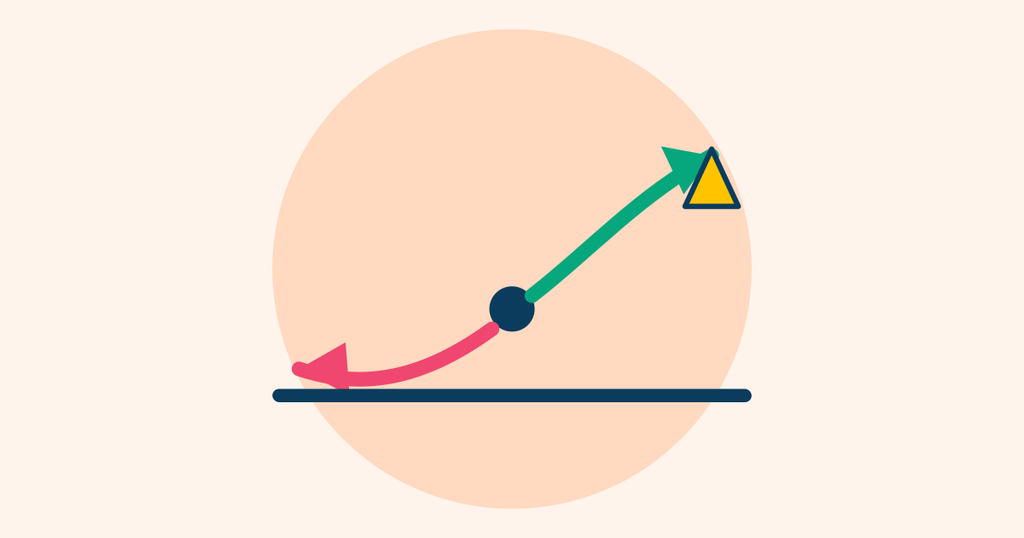
The same feeling in your chest can send you running or send you forward. What separates the two is not courage. It is what you decide the feeling means.
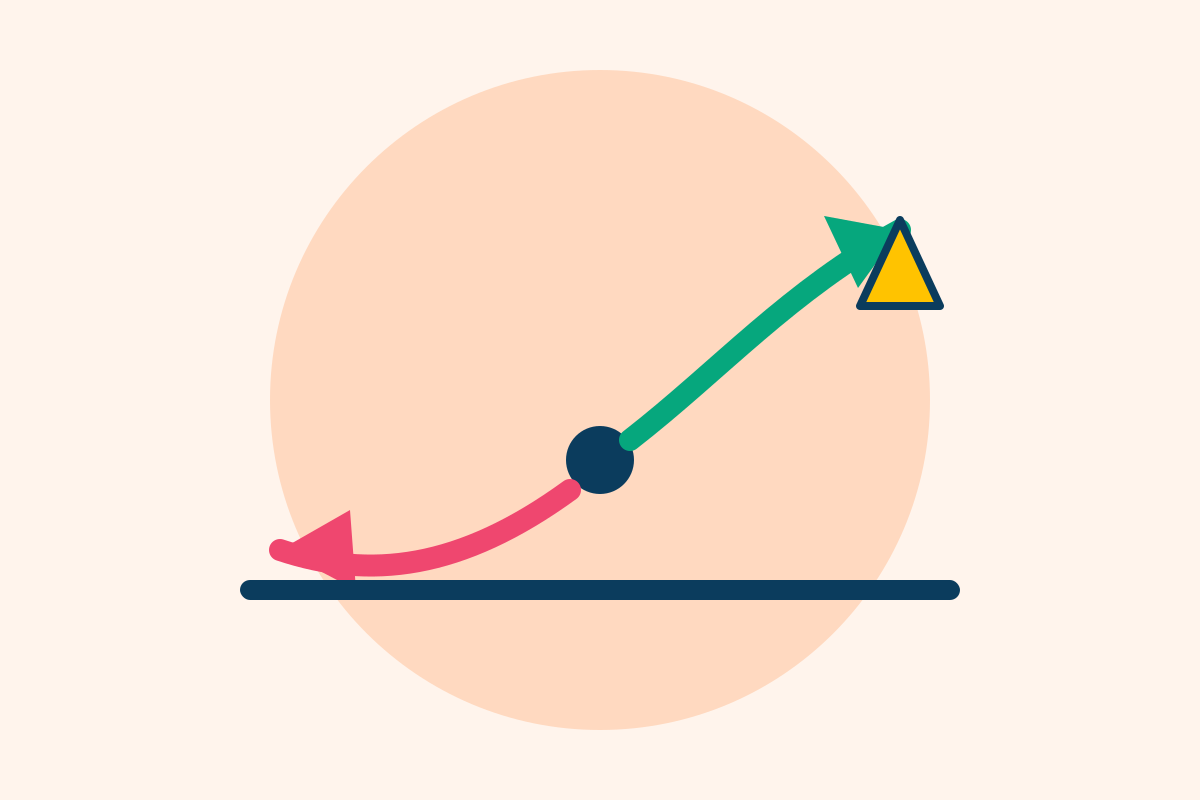
There is a line that has travelled around long enough that nobody is sure who said it first. Fear has two meanings. Forget everything and run, or face everything and rise. The choice is yours.
It sounds like a poster. It is also, mechanically, true.
The feeling is identical
The tight chest before a presentation and the tight chest before a first date are the same physical event. Faster pulse, shallow breath, a mind running ahead of the moment. Your body is preparing you for something that matters.
What differs is the story you attach to it. Call it dread and you will avoid the thing. Call it readiness and you will walk into it. The sensation does not care which you choose.
Running works, briefly
Avoidance is genuinely effective in the short term. Skip the difficult conversation and the discomfort disappears immediately. That relief is real, which is exactly why the habit sticks.
The cost arrives later. Every avoided thing stays on the list, and the list is what you carry. People rarely feel exhausted by what they did. They feel exhausted by what they have been putting off.
Rising is not the absence of fear
The mistake is waiting to feel ready. Confident people are not people without fear. They are people who have learned that the feeling arrives before the action, not after it.
You do not calm down and then act. You act, and the calm follows once the thing is underway. Anyone who has ever stood up to speak knows the first sentence is the worst of it.
A smaller version of the same test
You do not need a crisis to practise this. The next time you notice yourself hesitating over something small, a phone call, an email, a question you would rather not ask, notice the hesitation and do it anyway within the minute.
Each time you do, you teach yourself something useful. The feeling is not an instruction. It is only a signal that something matters.