Tag: Young Adults

Life Lessons

Find The Passion You Already Have

Find The Passion You Already Have

Your purpose is often hiding in plain sight, in whatever you do with ease. Seven ways to discover it and build a life you love.

Find The Passion You Already Have

Every one of us has a path and a purpose to fulfil, whether we know it yet or not. The piece this post draws on was written for women, noting how far they have come from the days when a woman ran only the house and had no say over her own life. Today women are far more powerful and have reached the skies. The steps it offers for finding your passion, and living the life you want in the way you want, work for anyone.

Slow down

Easing off the pace lets us reach the best version of ourselves, and that is usually when the answers we have been searching for finally appear. It might mean practising yoga, taking a daily walk or setting aside time to meditate each day. Slowing down lets you quieten the voices outside and hear your own.

Change your story

We all tell ourselves stories about who we are, what we can do and what we deserve. Once we spot the stories that hold us back, such as “I am not good enough” or “I do not deserve to be happy”, we can start writing new ones built on confidence and courage, and plan the steps that carry us from the old story to the new.

Own what makes you unique

We are here for a reason. Nobody else holds your exact blend of gifts, wisdom, strengths, abilities and imagination. Everyone has something valuable to give, and embracing what sets you apart is how you get to share those gifts with others.

Build confidence

If you keep telling yourself you cannot, you will never believe you can. You might fail, but without belief in yourself success is impossible. Create affirmations, keep your attention on what you want, or make a vision board that pictures your future success.

Focus on the fun

All too easily we get tangled in the expectations we set ourselves, fussing over details and to-do lists instead of what matters most. What do you love doing? What brings a smile to your face? If money were no object, what would you be doing today?

Play like a child

Adults tend to forget the joy and freedom of childhood. As children we had wild imaginations and were open to every possibility of who we might become. Whether we dreamed of being a singing, dancing firefighter or a teacher who also saved the world, we never questioned whether the dream was realistic. We simply let imagination and heart lead. It is time to wake up that creativity again by reconnecting with the child inside you.

Identify what you love

Our passion and purpose are often right in front of us, but they come so naturally that we barely notice them. Whatever you do easily in everyday life is probably connected in some way to what you are meant to do. Do not dismiss something just because it is easy for you; it is not easy for everyone. Once you see what comes naturally, you can build on those strengths and help others in ways you never imagined. Follow what your heart beats for. We rarely get to do exactly what we love, so when you find it, live it fully.


Relationships

The Quiet Social Skills That Open Doors

The Quiet Social Skills That Open Doors

Technology lets us reach the whole world and makes us clumsier face to face. Three small social habits that make people glad to know you.

The Quiet Social Skills That Open Doors

Social skills are the ways we communicate and interact with one another, in words and without them. Used badly, they can become social “kills”. Knowing how to get along with people, how to build strong friendships and how to work well in a group are among the most important skills anyone can have, and they help in every part of life.

Technology keeps widening our reach to people all over the world, yet it is also weakening our ability to connect properly with the person in front of us. Learning a few social skills can make you more successful, and more likeable, wherever you are. Here are some worth building.

Celebrate other people’s wins

When someone shares good news, resist the urge to brush it aside, trump it with an achievement of your own, or pick holes in it. Celebrate their success instead, and be genuinely happy and excited for them.

Speak well of people who are not in the room

You can judge a person’s character by the way they talk about others behind their backs. If you know someone who is always running people down when they are absent, you can be sure they talk about you the same way when you are not there. Be the one who speaks well of others in their absence.

Notice the little things

Life is hard, and many people are quietly struggling, with hardly anyone at home or among their friends to lean on. The difficulty is that they are often so good at hiding it that everything seems fine and they appear to need nothing. Remember that the people you work with have whole lives outside work, and small signs of care can matter more than you know.

Quiet counts too

The loud, outgoing way of connecting that society tends to reward is not the only way, or necessarily the best. A quieter style of relating can be just as healthy. Real social skill is the ability to adapt how you behave to suit the situation, and your own needs and wishes.

What good social skills give you

  • Connecting easily with individuals leads to more relationships, and sometimes to friendships. A smile and a simple hello can be the start of one.
  • Relating to people and working in large groups naturally sharpens your communication.
  • If you handle people well, you also find it easier to keep a polite distance from those you do not click with.
  • Getting on with others opens many personal and professional doors.
Mind & Habits

Envy Quietly Steals Your Own Life

Envy Quietly Steals Your Own Life

Everyone envies someone now and then. The damage starts when the feeling takes over, and you stop seeing your own life for staring at someone else's.

Envy Quietly Steals Your Own Life

Jealousy is a sharp, stinging emotion. It can leave us bitter, even hostile, towards another person, whether we know them well or have never met them.

What envy actually is

Envy is the discomfort of seeing someone else happy. It might be their success at work or something in their personal life. Whatever it is, the moment you notice what they have achieved, you begin measuring it against what you have.

Everyone does it. That is not the problem

All of us envy other people at times. Fair enough. The trouble starts when you let that feeling seep into every thought and emotion you have about that person, or about yourself. At that point you lose touch with your own reality.

The grass and the rain cloud

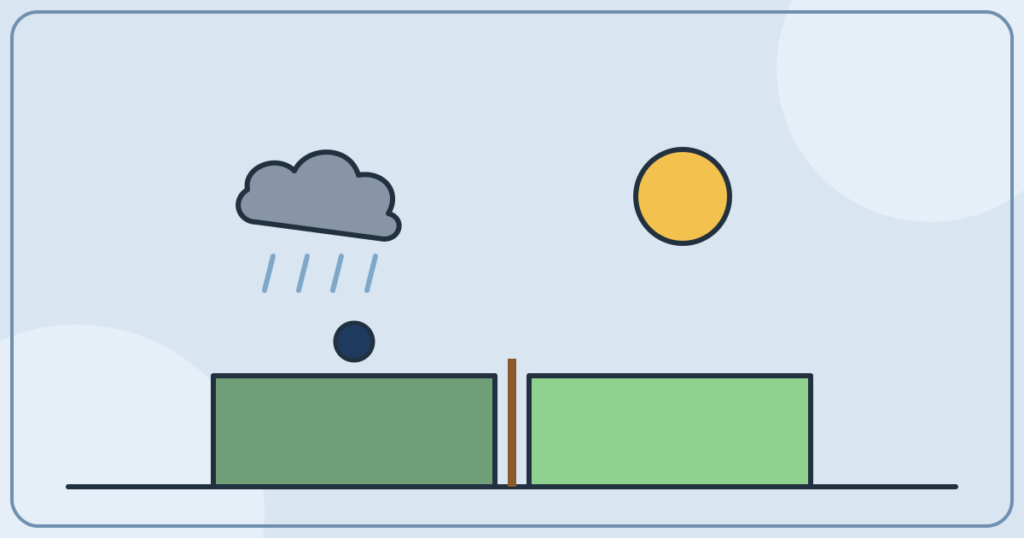
When all your attention goes to what others are doing on their greener patch of grass, you fail to notice why yours looks darker: you are standing under your own rain cloud. The gloom is coming from where you stand, not from what you have.

One life, and it is yours

You get one life, and it is your own. Spend it comparing yourself with others and resenting everything they have that you want, and there will be no space left for motivation. The negativity will fill every corner of it.

The way out starts with noticing. When the comparison begins, bring your attention back to your own ground: what you are building, what you are grateful for, and what you can do next. Your energy is limited. Spend it on your own garden, not on watching someone else’s.

Life Lessons

Why We Are Not Shown The Whole Map

Why We Are Not Shown The Whole Map

We often wish we could see how life will turn out. Knowing everything in advance would probably crush us, and not knowing is what makes us grow.

Why We Are Not Shown The Whole Map

We often wish someone would show us the whole picture of our lives. It is not always good for us, because seeing everything at once would easily overwhelm us.

The wish to know

Now and then we catch ourselves wanting to know what our lives will look like, and what gifts and difficulties the coming months or years will bring. We want to know whether our present relationship will last, or whether our goals will be reached. Faced with a decision, we want to know in advance which choice will work out best. Some people even turn to fortune-tellers, their dreams and all kinds of other sources, hoping to find out what lies ahead. At most we get fleeting glimpses.

We may believe we want the whole story in full detail. In truth, knowing everything that is going to happen to us would probably leave us swamped and worn out.

Look at what you have already lived

Think about your life so far. Like most people, you have probably done more and faced more than you could ever have pictured. If someone had told you as a child about every job and every relationship you would go through, with all their ups and downs, you would have been overwhelmed. With your head crammed with facts about the future, you would have struggled to live in the present moment, and the present is where everything actually happens.

Not knowing is how we grow

In many ways, not knowing what is coming draws out of us the very qualities we need to grow. It would have been hard to give yourself fully to certain people or projects if you had known they would not work out in the end. Yet it was by sticking with them that you learned the lessons you needed.

Look back over your life and you would struggle to name anything that should not have happened. Your hardest experiences, and the lessons that came with them, may well have brought you your greatest rewards. Not knowing the future keeps us in the right place: wholehearted, and living in the present.

Terms Explained

PERMA: Five Building Blocks Of Happiness

PERMA: Five Building Blocks Of Happiness

Positive emotion, engagement, relationships, meaning and achievement. What each part of the PERMA model asks of you, and how to start using it.

PERMA: Five Building Blocks Of Happiness

PERMA is often described as the simplest, most basic guide to finding happiness. It names five core elements that feed our sense of wellbeing. Here is what you need to know if happiness is what you are after.

The psychologist Martin Seligman, often called the father of positive psychology, argues that happiness has a formula. He sets out five elements that strongly shape how happy and fulfilled a person feels: Positive emotion, Engagement, Relationships, Meaning and Achievement. Together they spell PERMA, and together they give practical pointers towards a happier life.

P for positive emotion: feeling good

A positive attitude is central to happiness. That does not mean smiling all the time. Quite the opposite: it should never mean bottling up any emotion. Building positive emotion means accepting and understanding your negative thoughts and feelings, learning where they come from and why, and gradually getting better at finding the brighter side of each situation.

E for engagement: finding flow

Doing something that truly matters to us keeps us fully in the present. That absorption brings a deep sense of joy, of mattering, of purpose and of happiness. To raise our happiness and keep it there, we need to let ourselves explore and find activities that absorb every one of our senses. Finding our drive and passion also means putting ourselves first sometimes, and saying no to whatever does not leave us immersed, inspired and energised.

R for relationships: real connection

To put this element into practice, look at the relationships you have now and work on their quality. Nurturing close bonds with friends, family, relatives and partners gives us a solid, healthy foundation, and the support and care we need throughout life. Spending real time together, backing one another and taking a genuine interest in each other’s lives builds healthy connections that deepen our sense of purpose, belonging and happiness.

M for meaning: a life with purpose

Meaning and purpose add hugely to happiness, because we all feel a pull to give our lives to something far larger than ourselves, something beyond the chase for money and passing pleasures. Finding purpose means setting aside small, short-lived rewards and looking at the bigger picture. Write down your dreams and goals. Ask yourself what you want to be remembered for and what you want to leave behind. And do not be alarmed if your dreams look too big for now.

A for achievement: a sense of accomplishment

Reaching our goals adds a great deal to our overall happiness and fulfilment. Achievement is closely tied to meaning and to goal-setting. Meeting a goal of any size confirms our strength, our ability and our staying power. When we stick with a goal and put all our energy, creativity and time into it, our happiness grows because we have given ourselves to something worthwhile.

Putting PERMA to work

  • Knowing the model exists is the first step to using it. Keep looking at things from a positive angle.
  • Find what makes you happy and fully absorbed.
  • Invest in your relationships with family and friends by making time to connect and simply enjoy being together.
  • Work out what gives your life meaning and purpose. It is different for everyone.
Life Lessons

Let Your Future Pull You Forward

Let Your Future Pull You Forward

The picture you hold of tomorrow can lift you out of bed or pin you to it. Three ways to build a future that keeps pulling you forward.

Let Your Future Pull You Forward

An old saying runs that just as the caterpillar believed its world was ending, it became a butterfly. What looks like the end is often the start of something better.

Does your future draw you on? Does it help you get up in the morning? The way you imagine what lies ahead can raise your spirits or drag them down. Fill your future with hopes, dreams and bold ambitions that tug you forward, and you will have a steady supply of motivation that comes from inside you rather than from outside.

Design a future that lifts you

The motivational speaker Jim Rohn had a gift for putting this plainly. His warning was that without a bright, ambitious picture of the future, you end up acting from fear and doubt. What you need is a future that raises you up. The promise of better days ahead is a source of motivation that keeps renewing itself.

Treat your past as a teacher, not a weapon

Your attitude needs to work for you, not against you. Do not use your past as a stick to beat yourself with. Take the lessons it offers and keep moving. That is how you recover more strongly and rise above whatever is trying to hold you down. Be the balloon that carries you up, not the anchor that drags you under.

Set goals worth getting up for

Have you ever met someone with real goals? You can tell they are going somewhere. Their drive comes from what they hope to do and the person they hope to be. You can be like that too. Setting a few goals that genuinely excite you changes how you feel about the future almost immediately.

Use those goals to shape a future you are eager to live and willing to work for. An easy place to begin is to imagine, in detail, an ideal day in your future life, from waking up to going to sleep. Then let those pictures carry you, the way the wind lifts a bird’s wings.

Mind & Habits

Notice The Craving Before You Obey It

Notice The Craving Before You Obey It

The mind is built to want. A few quiet minutes of noticing where a craving shows up in the body can loosen its grip on your habits.

Notice The Craving Before You Obey It

A short guided practice can help you see how cravings rise up in your mind and body. Once you can see them, you have a real chance of breaking free from unhealthy habits.

Our minds are wired to crave. When a craving arrives, we have two options. We can feed it, or we can notice what set it off and work with that. Here is a simple practice for the second option.

Settle into a comfortable position

Start by getting comfortable, in whatever posture suits you at this moment. There is no correct pose. Just let yourself settle.

Tune in to your body

Turn your attention to the physical sensations you can feel. Check in with your body. How does it feel right now? Are you holding tension anywhere? You might start with your feet and the other places where you touch the ground or the chair: your knees, your hips, your hands, your shoulders. Notice your breath, the simple fact of breathing. Be genuinely curious about what is going on inside you right now.

Rest in that awareness

Notice what it is like simply to rest in awareness of your body. Notice, too, what it is like to realise that you can become aware of these sensations at all. That realisation matters. It means you do not have to be ruled by your cravings. You can study them with curiosity, one moment at a time.

Watch for other urges

For the last few minutes, stay aware of your body and look out for any other urges that come up. There may be a pull to drift into daydreams, or a pull to scold yourself over something that happened earlier in the day or the week. Do not push them away. Go straight towards them and explore them, holding each sensation with the same gentle, curious attention.

Why it works

A habit runs on autopilot: the urge appears and we act on it before we have even noticed it. This practice puts a small gap between the urge and the action. In that gap, the craving becomes something you can look at rather than something that simply happens to you, and you get to choose what to do next.

Mind & Habits

The Voice Of Doubt Is Not Yours

The Voice Of Doubt Is Not Yours

That nagging voice saying your idea is silly or risky was planted by others. You cannot silence it completely, but you can refuse to water it.

The Voice Of Doubt Is Not Yours

You know the voice. The fretful whisper at the back of your mind saying you cannot do something because it is foolish, risky or daft. That voice did not start with you. It could have come from anyone: family, friends, teachers, bosses or society in general. Somewhere along the way they planted a seed of doubt in all of us. How did it get there, why, and above all, how do we quieten it?

We are not born doubting

Nobody arrives in the world doubting themselves or their future. Ask a child what they want to be when they grow up and they will say anything at all. They set no limits based on whether they are a boy or a girl, on their background, or on whether they count as rich or poor, because none of that matters to them. As we get older, the answers shrink. They become more “sensible”, or they drift towards whatever pays more. Other people’s influence narrows our choices and our dreams get smaller.

Consider this: whatever answer you give today to the dreaded question of what you want to do with your life, someone will probably respond with disapproval, shock or laughter. At fifteen or at fifty, people will pick at your dreams, ideas and plans, question them, criticise them, or tell you that you cannot or should not. That is hard to hear, especially from the people you love.

You cannot fully silence it

So how do you get rid of the discouraging noise? Honestly, you cannot, not completely. But take comfort: it happens to everyone. Every successful person, now or in history, has been criticised. Each of them had the seed of doubt planted in them too. They simply did not let it grow.

You can choose whether to listen

We cannot stop other people offering opinions and advice, but we can decide whether to take them. Remember that they do not know what you are capable of. Everything they say comes from their own viewpoint, a collection of what they alone believe they know. The best response is to recognise this, and to make sure you never do the same to anyone else. Just because you would not want to do something, or think you could not, is no reason someone else should not at least try.

Take the wheel

Listen to the doubt and worry, and you will probably end up somewhere you are not really happy. Often we do not even notice the seed being planted, because society quietly persuades us that one particular way of living is the only way. It is not. If you do not decide what you want to do with your life and how you want to live it, if you do not take the wheel yourself, someone else will steer, and you may not like where you end up.

Work & Career

Never Give Up, Whatever Happens

Never Give Up, Whatever Happens

Circumstances rise and fall, and some of them cannot be changed. Five reasons to keep going anyway, and one regret worth avoiding.

Never Give Up, Whatever Happens

Whatever your situation, remember that real success comes from continuing to try until you arrive where you want to be.

Life never stands still. Circumstances shift all the time: sometimes they are excellent, sometimes ordinary, and sometimes very hard. Some situations cannot be changed, and with those it is wiser to accept them and keep moving anyway. Here are the reasons not to give up.

You can always begin again

Giving up says the thing cannot be done. But while you are alive, the possibilities have no end. Whatever has happened, and however your first attempts turned out, a fresh start is always available. You can always decide to rekindle your drive and follow what you care about.

It is still possible

Do not quit, because you can still make it happen. Whatever your dream is, know that you have what it takes to achieve it. If you can picture it clearly in your mind, you can make it real. Keep going, and in time you will reach what you most want.

You already have what you need

You hold every resource required to get what you want from life. Excuses do not stand up. Anything worth having has to be worked for; nobody will hand it to you on a plate. So stop explaining why you cannot chase your dreams. Where there is determination, a way appears. The time, the money and the opportunity are there, if you search a little harder for them.

Success feels wonderful

You owe it to yourself to keep going. Achievement is one of the best feelings there is, and quitting takes that away from you. To have success, or at least a fair chance of tasting it, keep trying whatever the circumstances.

Others are watching

By carrying on and working hard, you set an example. You become an inspiration to many people, who are then encouraged to go after what they want and to stop treating giving up as a choice.

Avoid the later regret

Quitting when things turn against you really means wanting the result without putting in the work. Nothing worthwhile comes easily. Work is the only road to anything you truly want. Give up now and you will regret it later. If you do not want regrets in years to come, do what needs doing while you still have the time.

Life Lessons

Two Sisters And A Stalled Train

Two Sisters And A Stalled Train

The same delay, the same carriage, two very different journeys. A short story about waiting for life to improve versus living it now.

Two Sisters And A Stalled Train

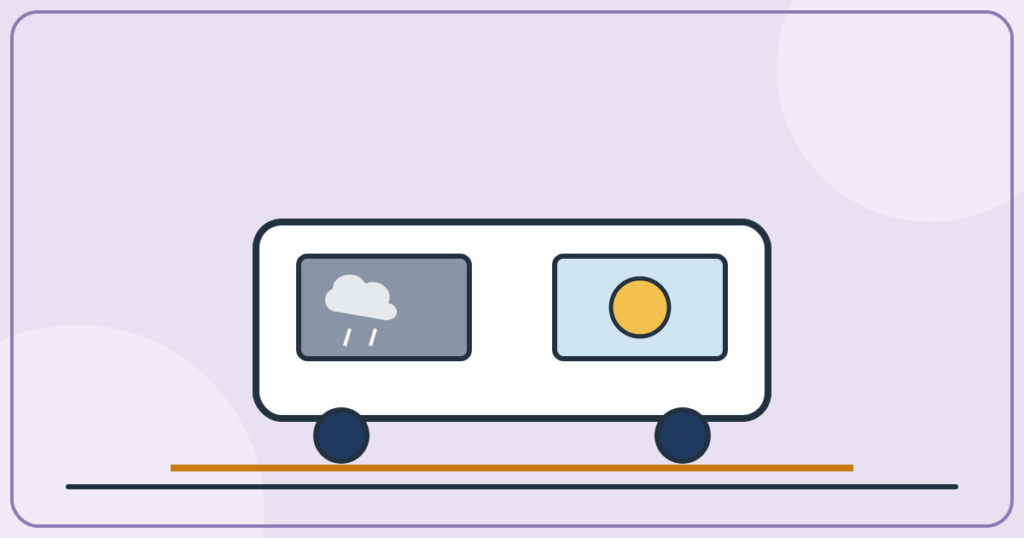
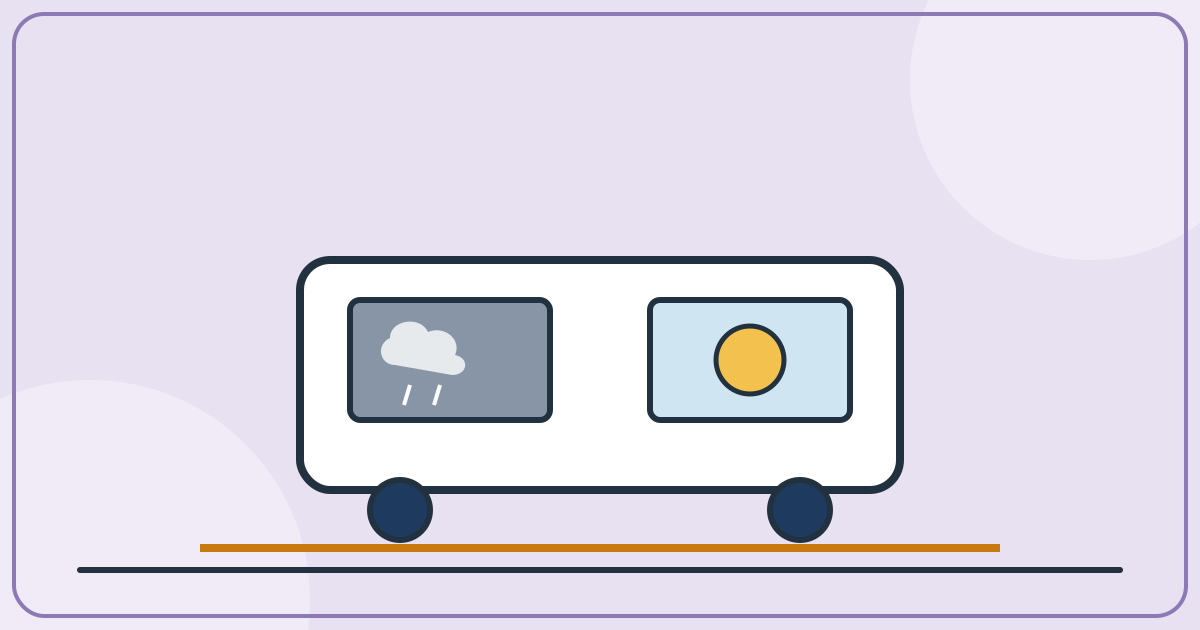
Two sisters, both in middle age, were making a long train journey from one end of the country to the other. Bad weather forced the train to stop at a small station halfway, where it had to wait until conditions eased and the line was cleared. The passengers were stuck on board for hours.

The older sister

The older sister was irritated and fed up. She complained sharply to the guards, who could do nothing about it either. She sulked without pause and became a nuisance to everyone travelling with her.

The younger sister

The younger sister would not let the hold-up spoil her mood. She moved cheerfully through the train, made friends, swapped jokes, played with the children, got people singing in one carriage after another, and generally lifted everyone’s spirits.

Strangers warmed to her. They shared their food, asked her to join them, and threw themselves into the games she organised to keep everyone amused.

Journey’s end

When the train at last pulled into its final station, the older sister was gloomy, low and worn out. As far as she was concerned, the whole trip had been a waste of time.

The younger sister had enjoyed herself enormously. She had made plenty of new friends, had fresh experiences, and kept her good mood and good humour the whole way.

What made the difference

The younger sister enjoyed the trip in spite of the delay and discomfort because she made the most of the moment she was in. The older sister was unhappy because she was waiting for her surroundings to improve. She had put her happiness off until some later point when everything would be just right.

Every day brings each of us a share of problems, obstacles, rewards and successes. Given that, living in the present opens up the most of what life has to offer. We can pay attention to what is going on around us and enjoy the small pleasures that are available right here, right now. Yet most of us stay caught up in old griefs, regrets and failures, or in worries about the future.

The past is finished. The future has not arrived. The only thing that is real is this moment, so use it well. Take hold of these moments, because none of them will come round again. Take hold of the now.