Tag: Young Adults

Life Lessons

Four Reasons To Stop Lying

Four Reasons To Stop Lying

Small lies feel like shortcuts, then pile up into stress, inner conflict and more lies. Four reasons the truth is the braver and lighter choice.

Four Reasons To Stop Lying

Lying has become an everyday habit for many people, and it can lead to serious trouble, both in the mind and in life. The piece this post draws on was written for women, but its reasons apply to anyone. Here are four good reasons to stop.

1. Truth makes you brave

Telling an awkward, inconvenient truth takes more courage than telling a risky lie. Strong, wise people put truth first, especially where feelings and relationships are involved. The truth may sting in the moment, but the person on the other side will respect you for having the courage to say it.

2. Lies do not solve problems

Do you believe a few white lies will make your problems go away? If so, think again. Lies do not remove problems; they double them. Honesty is the best policy in every situation. Step out of that game: be honest, and accept what follows from your actions.

3. Lies create inner conflict

Lying sets up a war inside you. It creates stress that drags down your mood and hands you fresh problems. Worse, lying can become a habit, and one lie needs another to hide it, and then another. Over time it wears away your confidence and your self-respect.

4. Truth means less stress

Honesty leaves you less tense and less low, because you no longer have to keep track of every white lie or worry about being found out. Many people find that honesty leaves them calmer, healthier in spirit and clearer in their thinking.

The simple test

Before a small lie slips out, ask one question: will I have to remember this? The truth never needs remembering. That alone makes it the lighter load to carry.

Life Lessons

The Struggle You Do Not See

The Struggle You Do Not See

We see other people's success, never the grind behind it. Picturing the finish line is easy. Planning for the hard stretch in the middle is what gets you there.

The Struggle You Do Not See

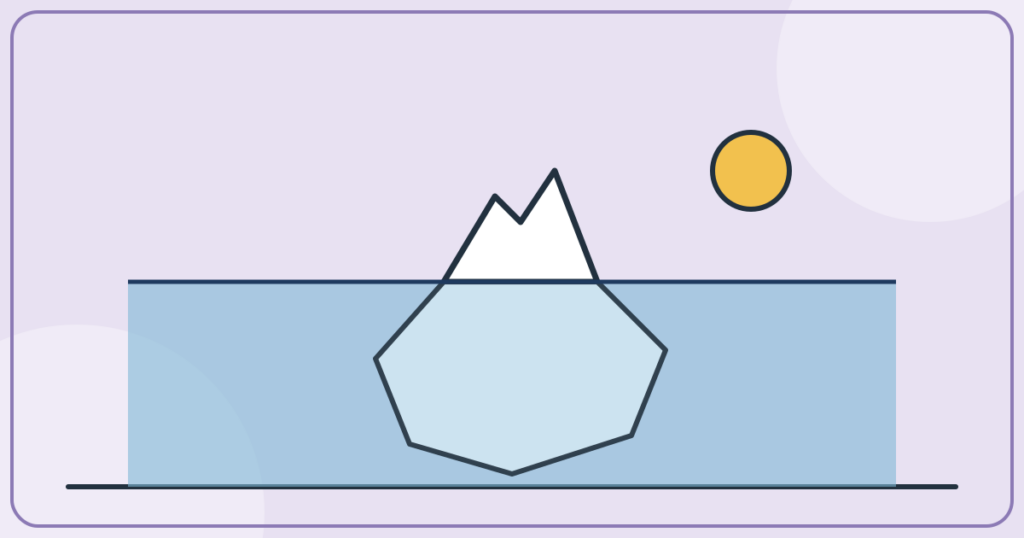
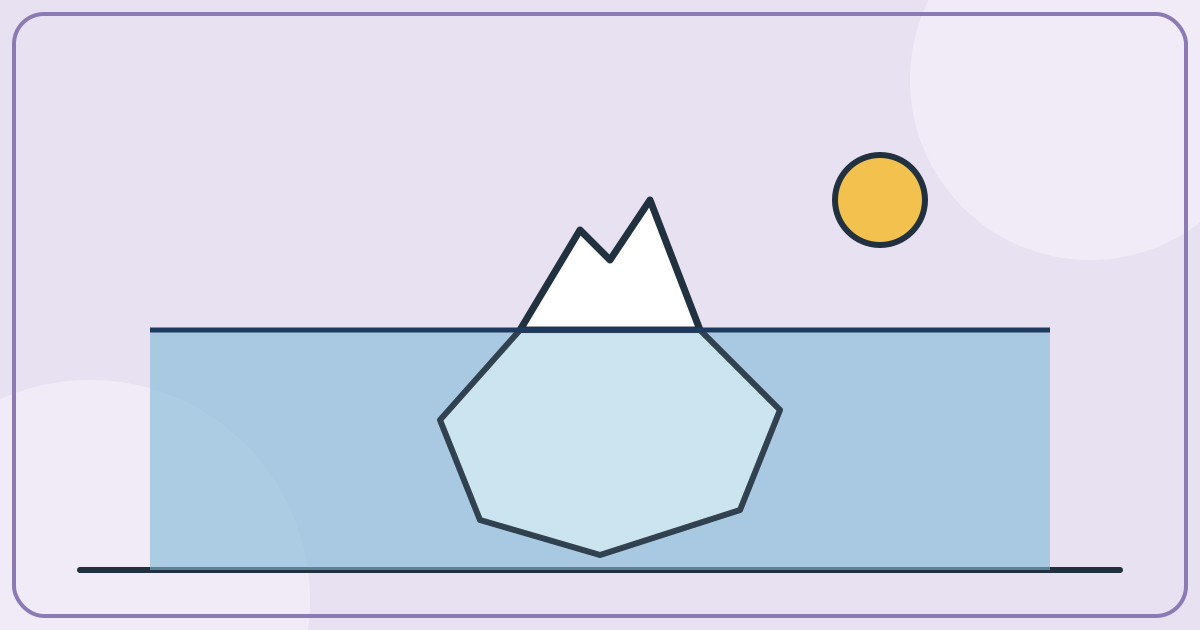
When you look at the world’s successful people, you see only the results of their work. The struggle stays hidden. That can leave us with the false idea that their success simply appeared, with very little effort on their part.

Picturing the goal is the easy part

Imagining your goals coming true is easy, and it is genuinely motivating. You can picture yourself fitting into that swimsuit once the weight is off, or see your book sitting on a shop shelf. There is nothing wrong with that. The picture gives you a reason to start.

The part to plan for

What people seldom consider, yet must plan for, is that the road to a goal is rarely pretty. There will be situations that test how much you really want it. Some days will feel like wasted effort. Some sacrifices will feel larger than expected.

If you are not willing to give things up, or to stay with your goal through the hard stretches, success will be difficult to reach. To achieve what you want, you have to be ready to meet the challenges that come with it.

Why this helps

Expecting the struggle does not make it smaller, but it changes how it lands. A setback you were prepared for feels like part of the journey, not proof that you are failing. The next time you admire someone’s success, remember the hidden part of their story, and give yourself the same patience while you write yours.

Tips & Tricks

Practice Smarter, Not Just Longer

Practice Smarter, Not Just Longer

Practice alone does not make perfect. A study of more than 850,000 game players shows that how you practise matters as much as how long.

Practice Smarter, Not Just Longer

Practice alone does not make perfect. Practising in the right way is what reliably speeds up learning.

The study

The research was led by the psychologist Tom Stafford of the University of Sheffield in the United Kingdom. He and Michael Dewar, of a research and development lab in New York, analysed data from 854,064 people playing an online game called Axon.

In the game, players guide a neuron from one connection to the next by clicking on possible targets. It tests how well people perceive, decide and move quickly. Stafford and Dewar wanted to know how the way people practised affected how well they later performed.

What they found

Some players reached higher scores than others even though they had practised for exactly the same amount of time. The game data showed two patterns among those who learned faster:

  • They spread their practice out. Instead of cramming all their sessions together, they left gaps between them.
  • Their early results were more varied. Their scores jumped around at the start, which suggests they were experimenting and working out how the game functioned before settling in to perform well.

What it means for you

According to Stafford, the study suggests you can learn more efficiently, or use the same amount of practice time to reach a higher level. Two lessons follow for anyone learning a skill, whether a language, an instrument or a sport:

  • Spread your practice sessions across days rather than packing them into one long stretch.
  • In the early stages, try different approaches and allow yourself to be inconsistent while you explore. Early wobbles can be a sign of learning, not failure.

Hours matter, but the shape of those hours matters just as much.

Mind & Habits

Make Peace With Your Flaws

Make Peace With Your Flaws

Admitting your shortcomings is hard, and it pays you back many times over. Thirteen quiet gains that come from accepting what you are not yet good at.

Make Peace With Your Flaws

Owning up to your weak spots is hard. Find the will to do it, though, and a surprising number of rewards follow. Here are the reasons it is worth the effort.

It makes you braver

Owning up to your shortcomings takes real courage. Only someone brave and strong-willed can look at their own weak spots without flinching.

It makes you a better person

Admitting that you have flaws is the first step towards improving. It also brings a natural modesty and humility that others notice and respect.

It lets you be at ease with yourself

Accepting your flaws means accepting yourself as you really are. Once you are comfortable in your own skin, a deep calm follows, a clean and quiet sense of peace. It also gives your life a feeling of stability.

It points you towards a better future

When you accept that something is missing, you can head deliberately towards filling that gap. In that way your flaws become the starting point of a plan. Embracing them shows you are willing to change things for the better.

It improves your relationships

Admitting you were wrong, instead of stubbornly trying to prove your point, does wonders for how you get on with people, especially your partner. It also makes it easier to love yourself, and to love others.

It builds success and empathy

Accepting your flaws and working on them is the surest route to success. It also makes you gentler with other people’s shortcomings, because you know how it feels to have your own.

It makes you stronger, and keeps you growing

Facing your flaws and weaknesses strengthens you emotionally and mentally, so you can take setbacks in your stride. And once you accept that you are imperfect, you never grow complacent. You keep trying to improve and to do better, and that steadily makes your life better too.

Mind & Habits

Five Habits That Sharpen The Mind

Five Habits That Sharpen The Mind

Brain-training games turned out to do little for general intelligence. These five everyday habits have better support, and cost nothing.

Five Habits That Sharpen The Mind

Research has shown that memory games do not make you smarter, but a handful of other approaches do seem to help.

About ten years before this piece was written, some early studies suggested that memory games could raise “fluid intelligence”, the ability to solve new problems without relying on what you already know. A flood of apps, books and courses followed, all promising to make people cleverer. Later studies found that this kind of “brain training” does nothing for general intelligence. More recent work in psychology and neuroscience points instead to a few simpler strategies.

1. Believe it is possible

In one study, students were taught how the brain functions. One half heard that intelligence can be improved; the other half were told it cannot. When tested on the course material, the first group remembered 85 percent of what they had heard and the second only 54 percent. Simply believing you can get smarter seems to help you do so. The brain appears to take its cue from your beliefs and cooperate, making it easier for new connections to form.

2. Spend more time with people

Social contact, such as chatting with friends, may also boost intelligence. Curiously, what you talk about does not seem to matter much. The benefit makes sense when you remember that the human brain evolved to work at its best inside a group.

3. Exercise regularly

We usually hear that exercise wards off stress-related illness. Neuroscience adds another reason: exercise raises the level of a protein in the brain, known as brain-derived neurotrophic factor, that supports the growth of new nerve cells. Since that is how the brain builds and strengthens memories, exercise is quite literally making you sharper. Many successful people start their day with a workout; whether they realise it or not, the habit is feeding their minds.

4. Let yourself daydream

Contrary to popular belief, a wandering mind is not a lazy mind. While you daydream, your brain is extremely busy. Daydreaming feeds imagination and creativity by letting normally separate parts of the brain link up in new ways. Research has found that students who daydream tend to do better on standardised tests than those who stay rigidly fixed on the task in front of them. Daydreaming is also a first step towards mindfulness, a practice Steve Jobs credited with making him more creative.

5. Talk with someone older

Nobody reaches a ripe old age by being foolish. Sit down with someone who has a few more years behind them and learn from their experience of living well. They can guide you through a negotiation at work, think clearly after a break-up, or stand up for your child at school. There is a great deal to gain from spending time with people of a different age.

Stuck in a rut?

It happens to everyone. No classroom is needed to pick up something new. Opportunities to learn are all around you right now, and any one of them can leave you a little wiser than you were when you woke up this morning.

Work & Career

From Campus To Career Without The Shock

From Campus To Career Without The Shock

No more teachers, no more lesson plans, no more long holidays. Three adjustments that make the jump from college to working life a smooth one.

From Campus To Career Without The Shock

The plan sounded simple: finish college, get a job, then glide through work the way you glided through the first day of school. Except you are not a student any more, and there are no teachers or lesson plans to follow. Office hours, strangers everywhere and no summer break can be enough to make anyone want to hide under the desk.

A few adjustments make the move into working life much smoother.

Change your habits

Once you step into the working world, staying up until six in the morning is over. Six o’clock is now far more likely to be your time to get up and get ready. Long afternoon naps go too; a full working day leaves no room for five-hour sleeps. Go to bed at a sensible time so that you arrive at work rested and alert.

Say goodbye to endless free time

At college it is easy to squeeze your classes into two or three days a week and keep the rest free. With a full-time job, days off become rare. If you are lucky, your first job will give you two days off a week. Use them to recharge, and spend your weekends wisely.

Manage your money

When the salary starts arriving, budget carefully. If money is tight this month and you see something you cannot resist, wait until you can genuinely afford it. Debt is easy to fall into and hard to climb out of.

Expect the jolt, then settle

Knowing exactly what lies ahead after graduation helps you begin life beyond college on a positive note. The move into the working world may feel like a shock at first, but give it time and it will become second nature.

Life Lessons

The Easy Path And The Worthwhile One

The Easy Path And The Worthwhile One

Everything in life is hard before it becomes easy. Eighteen everyday choices where the easy road and the worthwhile road split apart.

The Easy Path And The Worthwhile One

Everything in life is hard before it becomes easy. At almost every turn two roads open up: the easy one, and the one that is actually worth taking. The easy road asks nothing of us today and costs us later. The other road asks a great deal today and pays us back for years. Here are the places where the two part company.

With the people in our care

  • It is easier to punish a child than to patiently raise one.
  • It is easier to use emotional blackmail than to lift people through leadership.

With what we have and what we earn

  • It is easier to take than to earn.
  • It is easier to hoard than to share.
  • It is easier to enjoy the glory alone than to share the spotlight.

With problems and promises

  • Blaming is easier than solving.
  • It is easier to abandon a commitment than to stand by it.
  • It is easier to look on than to take the initiative.

With our attention and our work

  • It is easier to be distracted than to focus.
  • It is easier to look busy than to be productive.
  • It is easier to repeat than to improve.
  • It is easier to follow a path than to make one.

With other people

  • Gossiping is easier than keeping a confidence.
  • It is easier to blend into the crowd than to stand out from it.
  • Spotting faults is easier than spotting greatness.

With our own hearts

  • It is easier to be proud than to be grateful.
  • It is easier to stay hurt than to forgive.

Choosing the other path

None of us takes the harder road every time. The point is to notice the fork when it appears. Each time you pick the worthwhile option, even once in a day, that road gets a little easier to walk, and in time it becomes the natural way you move through the world.

If you want your words to make sense, let them come out of silence. Sit quietly for five minutes every day.

Mind & Habits

Four Steps To A Steadier, Positive Mind

Four Steps To A Steadier, Positive Mind

Some experiences lift us and others open a tap of negativity. Whether that tap keeps running is up to you. Four simple steps to close it.

Four Steps To A Steadier, Positive Mind

Life brings every kind of situation and experience. Some leave us with good feelings and thoughts. Others start a steady trickle of negativity that seems never to stop. Whether you let that negativity grow inside you or keep it in check is your decision. Here are four steps towards a positive mind, and towards leaving negativity behind for good.

1. Live in the present

Nobody has superpowers. You cannot change what has already happened, and you cannot see what the future holds. The only thing within your reach is to enjoy the moment you are in. Every minute spent reliving the past or worrying about tomorrow is a minute taken away from the one place you can actually act.

2. Keep positive people around you

Extrovert or introvert, you have to deal with people. Negative people pull you towards negative beliefs, gloomy outlooks and discouraging stories. Keep your distance from them, and spend your time with people who spread good energy. Moods spread, so choose carefully what you let rub off on you.

3. Start the day with a positive feeling

Simply tell yourself something like “Today will be a good day” or “Whatever happens, I am happy today.” Talking to yourself kindly does not mean you are losing your mind. It shows a mind turned towards the good, and it sets the tone for everything that follows.

4. Meet challenges with a positive attitude

Learn to turn mistakes, failures and heartbreaks into valuable lessons for life. Face your fears head on, and overcome whatever is stopping you from living a full and satisfying life.

The thread through all four

None of these steps asks you to pretend that bad things do not happen. They ask you to choose where your attention goes: to the present rather than the past, to people who lift you rather than drain you, to a hopeful first thought rather than a fearful one, and to the lesson rather than the wound.

Life Lessons

Find The Passion You Already Have

Find The Passion You Already Have

Your purpose is often hiding in plain sight, in whatever you do with ease. Seven ways to discover it and build a life you love.

Find The Passion You Already Have

Every one of us has a path and a purpose to fulfil, whether we know it yet or not. The piece this post draws on was written for women, noting how far they have come from the days when a woman ran only the house and had no say over her own life. Today women are far more powerful and have reached the skies. The steps it offers for finding your passion, and living the life you want in the way you want, work for anyone.

Slow down

Easing off the pace lets us reach the best version of ourselves, and that is usually when the answers we have been searching for finally appear. It might mean practising yoga, taking a daily walk or setting aside time to meditate each day. Slowing down lets you quieten the voices outside and hear your own.

Change your story

We all tell ourselves stories about who we are, what we can do and what we deserve. Once we spot the stories that hold us back, such as “I am not good enough” or “I do not deserve to be happy”, we can start writing new ones built on confidence and courage, and plan the steps that carry us from the old story to the new.

Own what makes you unique

We are here for a reason. Nobody else holds your exact blend of gifts, wisdom, strengths, abilities and imagination. Everyone has something valuable to give, and embracing what sets you apart is how you get to share those gifts with others.

Build confidence

If you keep telling yourself you cannot, you will never believe you can. You might fail, but without belief in yourself success is impossible. Create affirmations, keep your attention on what you want, or make a vision board that pictures your future success.

Focus on the fun

All too easily we get tangled in the expectations we set ourselves, fussing over details and to-do lists instead of what matters most. What do you love doing? What brings a smile to your face? If money were no object, what would you be doing today?

Play like a child

Adults tend to forget the joy and freedom of childhood. As children we had wild imaginations and were open to every possibility of who we might become. Whether we dreamed of being a singing, dancing firefighter or a teacher who also saved the world, we never questioned whether the dream was realistic. We simply let imagination and heart lead. It is time to wake up that creativity again by reconnecting with the child inside you.

Identify what you love

Our passion and purpose are often right in front of us, but they come so naturally that we barely notice them. Whatever you do easily in everyday life is probably connected in some way to what you are meant to do. Do not dismiss something just because it is easy for you; it is not easy for everyone. Once you see what comes naturally, you can build on those strengths and help others in ways you never imagined. Follow what your heart beats for. We rarely get to do exactly what we love, so when you find it, live it fully.

Relationships

The Quiet Social Skills That Open Doors

The Quiet Social Skills That Open Doors

Technology lets us reach the whole world and makes us clumsier face to face. Three small social habits that make people glad to know you.

The Quiet Social Skills That Open Doors

Social skills are the ways we communicate and interact with one another, in words and without them. Used badly, they can become social “kills”. Knowing how to get along with people, how to build strong friendships and how to work well in a group are among the most important skills anyone can have, and they help in every part of life.

Technology keeps widening our reach to people all over the world, yet it is also weakening our ability to connect properly with the person in front of us. Learning a few social skills can make you more successful, and more likeable, wherever you are. Here are some worth building.

Celebrate other people’s wins

When someone shares good news, resist the urge to brush it aside, trump it with an achievement of your own, or pick holes in it. Celebrate their success instead, and be genuinely happy and excited for them.

Speak well of people who are not in the room

You can judge a person’s character by the way they talk about others behind their backs. If you know someone who is always running people down when they are absent, you can be sure they talk about you the same way when you are not there. Be the one who speaks well of others in their absence.

Notice the little things

Life is hard, and many people are quietly struggling, with hardly anyone at home or among their friends to lean on. The difficulty is that they are often so good at hiding it that everything seems fine and they appear to need nothing. Remember that the people you work with have whole lives outside work, and small signs of care can matter more than you know.

Quiet counts too

The loud, outgoing way of connecting that society tends to reward is not the only way, or necessarily the best. A quieter style of relating can be just as healthy. Real social skill is the ability to adapt how you behave to suit the situation, and your own needs and wishes.

What good social skills give you

  • Connecting easily with individuals leads to more relationships, and sometimes to friendships. A smile and a simple hello can be the start of one.
  • Relating to people and working in large groups naturally sharpens your communication.
  • If you handle people well, you also find it easier to keep a polite distance from those you do not click with.
  • Getting on with others opens many personal and professional doors.